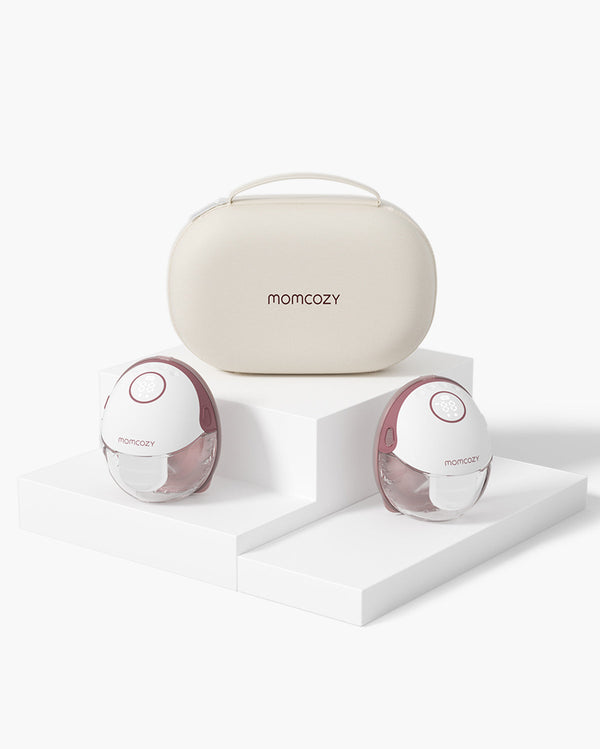
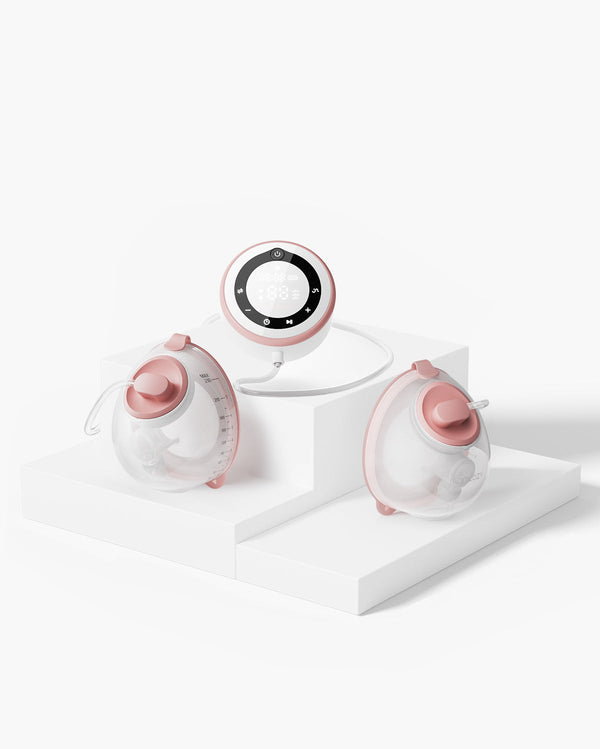
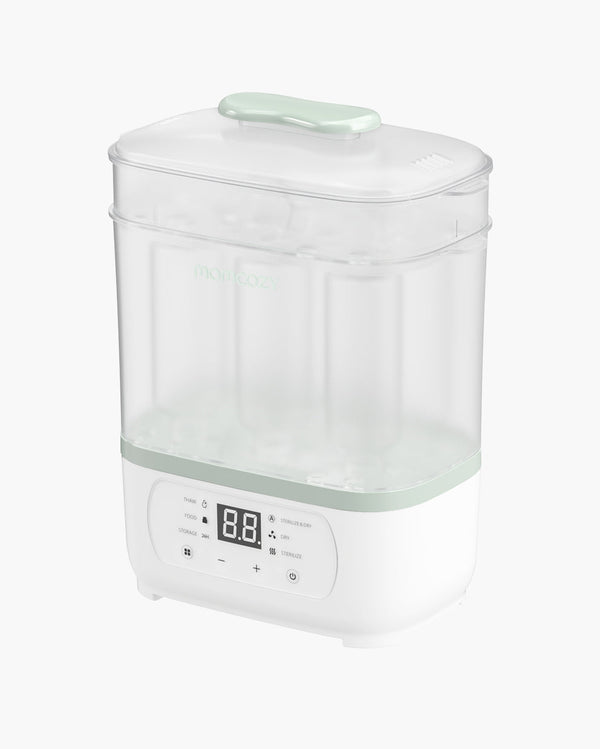
Your infant's feeding plan doesn't stop when your maternity time is up. The most notable change with breastfeeding and returning to work is what you must do to sustain feeding your baby while working.
You can keep using expressed milk to feed in the nursery, or depending on arrangements with a childminder, whilst continuing to breastfeed back at home in the normal way. A bit of planning ahead can make the transition easier on both of you.
This article explains how to organise feeding schedules, express and store breast milk at work, and rights for all breastfeeding mums across the UK.

How to Manage Breastfeeding When Returning to Work?
Use the feeding routine your baby is already used to. Some may remain exactly as they are, and others that fall while you are working will require a bit of planning. Don't try to change everything all at once, particularly if breastfeeding is going well.
I'm Going Back to Work. Do I Need to Stop Breastfeeding?
Not at all. The NHS suggests exclusive breastfeeding for about six months, then continuing breastfeeding while giving solid foods. Going back to work won't mean you have to stop.
You can keep having regular morning and evening feedings, leaving your baby some expressed milk for the nursery or childminder. Breastfeeding during a break may be a possibility if your baby is close to your workplace. A few mothers opt for the combination feeding option to accommodate their work.
If you're going to be using a pump, a comfortable one is worth a look if you choose to start using one as part of your day. The Momcozy Wellness 1 Warm-Massage Wearable Breast Pump is designed to be worn inside your bra and provides adjustable warmth and vibration massage for a more comfortable pumping experience. You may also check out Momcozy's wearable breast pump selection to choose a design that fits your routine.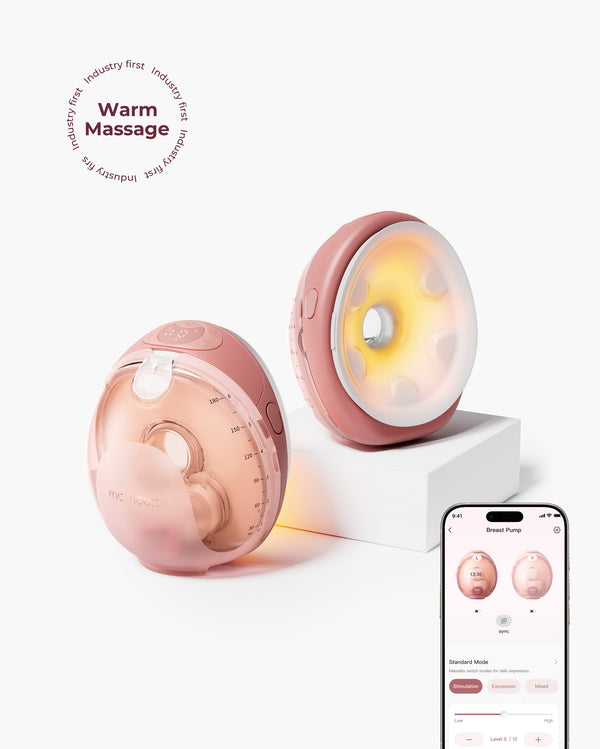

What Might Your Breastfeeding Routine Look Like?
A full day at work can quickly slip into a cycle of pumping at your office and feeding with your child again on your way home.
This is an example of how this might be done:
|
Time |
Feeding routine |
|
Before work |
Breastfeed your baby |
|
Mid-morning |
Express milk |
|
Lunchtime |
Express again |
|
Mid-afternoon |
Express if needed |
|
After work |
Breastfeed when you're reunited |
|
Evening and overnight |
Follow your baby's usual feeding needs |
There's no need to follow these times exactly. The NHS suggests you may need to express at least once every three hours, for the first few days while away from your baby. Pumping use will change with your baby's age, pattern of feeding, and milk supply.
For help planning your sessions, Momcozy UK's pumping schedule guide offers examples you can adapt to your working day.
How to Make Breastfeeding as Easy as Possible Before You Return to Work
Any late-night worry can be avoided with a little practice before the end of your maternity leave. This gives you a chance to express with someone else, to learn how you will deal with storing milk and cleaning when you return to work.
Get Comfortable With Expressing at Home
If you are a direct nursing mother, get to know your pump. Attempt to express following a morning feed or when the breasts feel more full.
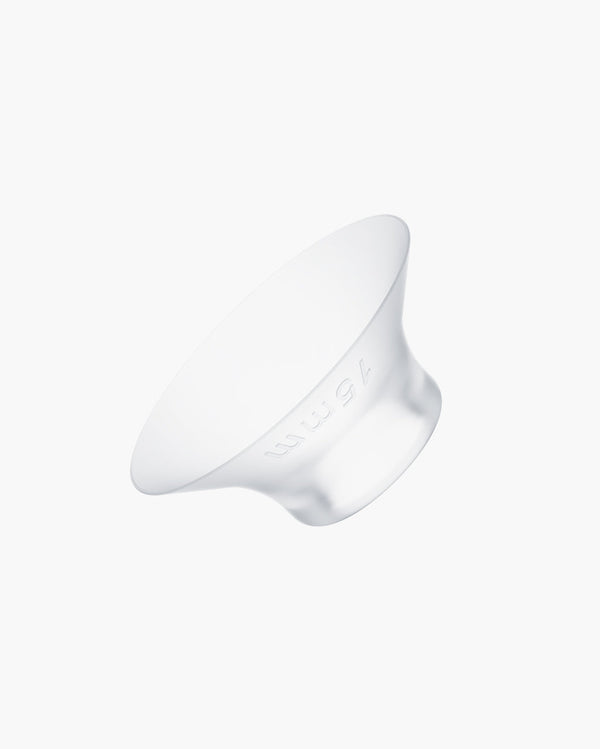
Pay attention to how the breast shield fits and whether the suction feels comfortable. Pumping shouldn't hurt. Momcozy UK's breast pump selection guide can help you understand flange sizing and different pump options.
Let the small amounts at first not get you down. Like most things, you need to practise expressing, and a single milking session will not give you an accurate picture of how much your breast milk transfers between nursing.
Help Your Baby Get Used to Other Caregivers
If your baby has only ever been breastfed, they might need a while before getting used to having someone else feed them.
If your baby is calm, allow your partner, family member, or your childminder to have expressed milk prior to going back to work. A good tip is to move outside of the room when your baby continuously looks for you during feeding.
Your health visitor can also give you an opinion as to whether your baby can be put to a cup or not and how to begin with. Be sure the person caring for your baby knows how your baby feeds, what to do with expressed milk, and when to discard leftovers.
Plan How You'll Store and Transport Breast Milk
After you start expressing at work, you need some place to keep the milk until you get home.
You can use sterilised containers or breast milk storage bags labelled and dated to store breast milk according to the NHS. Storing smaller amounts of milk also helps to reduce milk wastage.
For commuting, the Momcozy 22 oz Portable Breast Milk Cooler is equipped with two 11 oz (about 325 ml) bottles, so you'll be able to keep milk from different pumping sessions separate. It's insulated and also has a freezer-prepared cooling tube, which helps to keep milk cold on the way home. You can also explore Momcozy's baby bottle cooler collection for other options.
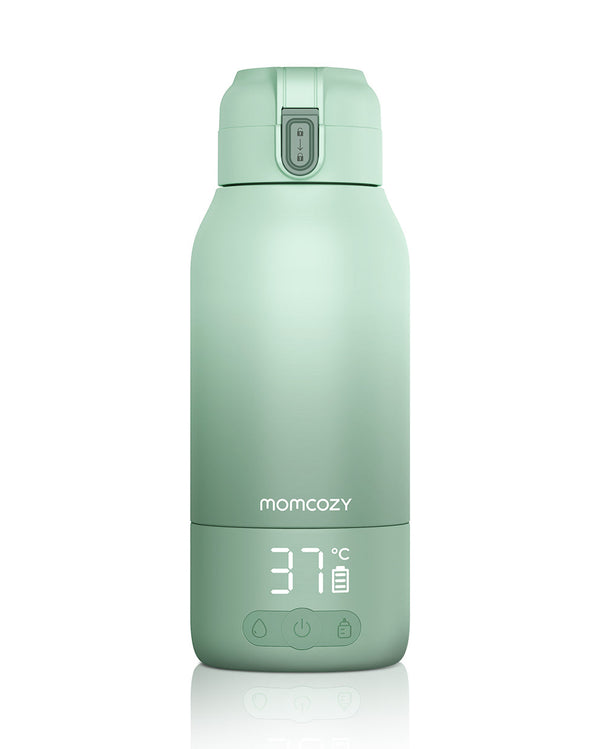
The Momcozy Portable Breast Milk and Water Warmer can also be used to warm up your milk for feeding when away from home. It is rechargeable, can handle up to 500 ml (17 oz), and includes two heating programs for breast milk and water. It is a compact, leak-resistant unit, ideal for outings or child care. Other alternatives are available in the baby bottle warmers collection.
Breast milk doesn't always need warming, though. According to the NHS, you can serve it cold if your baby likes it that way. Avoid putting breast milk in a microwave, as this can cause it to heat unevenly and develop hot spots.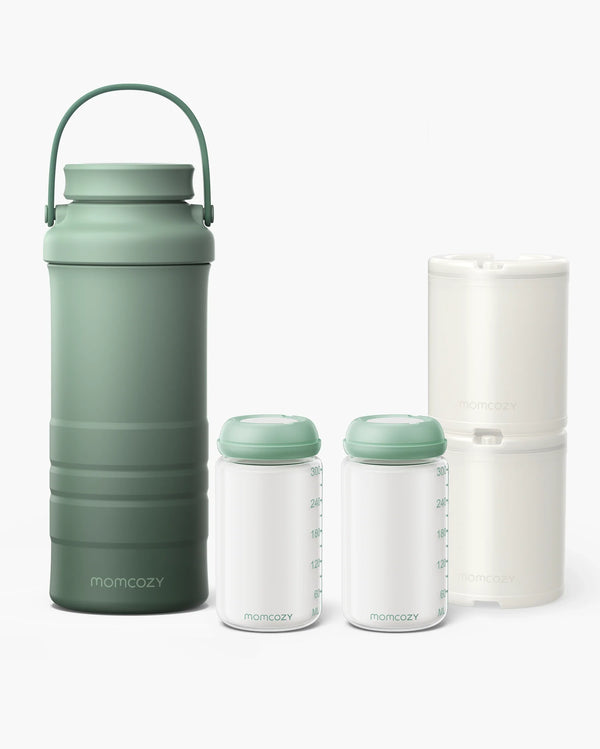 Member price
£89.99Code Save 15%
 Member price
£155.99
Make Bottle Cleaning Easier at Home
When pumping starts regularly, bottles and pump parts are made part of the everyday washing. Clean them up and have them ready the night before if possible; this way you can reduce the rush and hurry as you get going in the morning. According to the NHS, feeding equipment should be sterilised until your baby is 12 months old.
The Momcozy KleanPal Pro Baby Bottle Washer can make the after-work clean-up easier. It can hold up to 4 bottles at once and has 26 spray jets to clean the milk residue from hard-to-reach places. It also has nine cleaning modes, including a 19-minute rapid wash as well as steam sterilising, drying and hygienic storage for up to 72 hours. This means you can have clean bottles in the machine ready for the next day's feeds.
For UK mums, the KleanPal Pro is currently Momcozy's only available cleaning-machine model, although more models are planned. Both Momcozy bottle washers and bottle sterilisers are designed to support sanitising and hygienic storage, depending on their features. You can explore the available models through the UK Momcozy bottle washer collection.
Before adding more pump parts, verify that they are compatible with the machine. Momcozy offers a guide to cleaning a bottle steriliser and washer—whether you want to disassemble the machine or maintain it. Member price
From£299.99Code Save 20%
 Member price
£336.99Code Save 22%
 Member price
£304.99Code Save 20%
Do a Trial Run Before Your First Day Back
See how you can maintain your normal work schedule at home. Prepare milk to use for childcare, practise expressing around your typical departure, and feed before your scheduled leave.
Be sure to pack your work bag in advance, too. Make sure you have a charged pump with all parts in place and ready to use with storage containers.
You will quickly realize anything that needs changing and have the time to handle it before your first working day.
How to Express at Work?
You might struggle for a while to schedule your pumps at work between tasks. They should be planned in advance and with your employer before you resume work. Be sure to know where you will store your milk after refrigeration as well.
What to Do During an Expressing Break
After you find a good place for pumping, try to follow the same routine:
- Wash your hands. Use soap and water to clean your hands before you touch your pump and ensure that everything that will have milk contact is sterilised.
- Get comfortable. Take a seat and have your milk containers within easy reach. Consider viewing an image of your baby to boost your milk flow
- Position your pump. Position the nipple in the breast shield, test the fit, and begin using a comfortable suckle level.
- Store your milk. Transfer it to a sterilised container or breast milk storage bag, mark the date, and place it in the fridge immediately.
- Clean your equipment. Follow the advice of the manufacturer of your pump to wash and sanitise all the milk-contact surfaces for the next use.
Allow enough time to express without rushing. The NHS guide to expressing breast milk recommends about 30-45 minutes if it's your first time, but after practising, sessions may be shorter.
How Long Can You Store Breast Milk at Work?
If you're expressing during your shift, it's a good idea to find out what the temperature is in your work fridge and get your cooler ready before heading out of the house.
According to the NHS breast milk storage guidance:
|
Storage location |
How long can breast milk be stored |
|
Fridge at 4°C or below |
Up to 8 days |
|
Fridge between 5°C and 10°C, or temperature unknown |
Up to 3 days |
|
Freezer at −18°C or below |
Up to 6 months |
|
Cool bag with ice packs |
Up to 24 hours for milk previously chilled in the fridge |
Store labelled milk in the back of the refrigerator where the temperature is more stable. If you are bringing it home in a cooler, ensure that the cooler is well set up and when you arrive at home, place the milk in the refrigerator or freezer.
What If You Can't Express at Your Usual Time?
An unexpected busy shift or a meeting that goes longer than planned can throw off your pumping schedule.
If you miss a session, let someone know if you have a chance to do so. If you don't feed or pump for a long period of time, you will end up with uncomfortable fullness, and if it happens frequently, it may cause a dip in milk supply.
If the expressing schedule often conflicts with work, discuss with your manager to adjust the schedule. You don't need to fit them in whenever you have a few minutes to spare.
If you get pain, swelling, a hot or red area, or flu-like symptoms, refer to the NHS advice on mastitis and seek medical advice as advised.
What the Law Says About Breastfeeding Mothers at Work
An empty meeting room is not much better if it has to be reserved all afternoon. Talk with your employer about where you will express milk, as well as how you will take your breaks before your maternity leave ends.
In the UK, there are workplace protections for breastfeeding mums, but rules on flexible working differ between Great Britain and Northern Ireland.
Your Rights and Your Employer's Responsibilities
Here's what you should know before returning:
|
Workplace rights |
What it means for you |
|
Health and safety |
Tell your employer in writing that you're breastfeeding. They must assess any workplace risks and take appropriate action. |
|
Rest facilities |
Your employer must provide suitable rest facilities, including somewhere to lie down if needed. A private, hygienic space for expressing and somewhere to store milk should also be available. Toilets aren't suitable. |
|
Expressing breaks |
There's no automatic statutory right to paid expressing breaks. However, employers should consider arrangements that allow you to continue breastfeeding. |
|
Protection from discrimination |
In Great Britain, unfair treatment because you're breastfeeding can amount to sex discrimination. Northern Ireland has separate equality legislation. |
The Health and Safety Executive (HSE) and Acas provide more information about these responsibilities. See the Health and Safety Executive for Northern Ireland.
Can I Ask for Flexible Working?
If you are finding expressing milk difficult, because of your working hours at present, you can ask for a different working arrangement.
In England, Scotland and Wales, workers have the right to request flexible working from the first day they start work. Your employer has to take the request into account but may refuse it on valid business grounds.
According to nidirect, employees in Northern Ireland need to have worked for the same employer for 26 consecutive weeks before they can make a statutory request.
It may be helpful to adjust your start and end times, or schedule your breaks around pumping time. Ideally, try to reach a consensus on these points prior to your return, thereby eliminating the need to work out any issues when you are on duty.
Conclusion
When you resume working, it does not mean you must stop breastfeeding permanently—it just means you are adjusting the times of your baby's feeds. Even while you are expressing at work, the morning feed before nursery and the feed when you see each other again can be familiar experiences.
The secret to breastfeeding and returning to work is to come up with a routine that you can sustain. After establishing a new routine, breastfeeding may remain a normal part of daily life even when you and your baby spend more time apart during the day.