You find a tender spot while feeding on the sofa, or after a rushed express before nursery drop-off. It can feel alarming. A blocked milk duct is usually a local lump from swelling and slower flow, not a cork you have to force out.
The plan is simple. Keep feeding or expressing as your baby usually needs. Use only a very light hand technique if you touch the breast. Put a cold muslin on between feeds. And get help if you feel flu-like or you are no better in 12 to 24 hours.
This guide covers what the lump can mean, how to do breast massage for a blocked duct without digging, and when a GP, midwife or health visitor should take over.
Key Takeaways
- A blocked milk duct is usually a tender, local lump from inflammation and slower flow, not a plug you have to squeeze out.
- Keep breastfeeding or expressing on your usual pattern. Extra sessions to empty the breast can make swelling worse.
- If you use your hand, keep the pressure no firmer than stroking a cat, and sweep toward the armpit and collarbone rather than digging the sore spot.
- Use a cold muslin between feeds. Skip combs, toothbrushes, vibrating gadgets, and long heat while the area feels hot and angry.
- Contact your GP or NHS 111 if you feel flu-like, redness is spreading, or you are no better within 12 to 24 hours.
What is a blocked milk duct?
In short: it is a tender area where milk is not moving well because the tissue around the ducts is swollen, so the ducts narrow.
People also say clogged or plugged duct. In the UK, blocked milk duct is the usual phrase, and it is the same problem.
Think of a traffic jam, not a cork in a straw. Once one stretch of road tightens, milk behind it feels lumpy and sore. Trying to force that jam through with hard pressure often adds more swelling.
A blocked milk duct sits on the same spectrum as fullness and mastitis. Early on you generally feel well, apart from the spot. If inflammation spreads, you can start to feel unwell. That is why the first job is to calm the swelling and keep a normal feeding rhythm, not to “clear a plug”.

Blocked milk duct symptoms vs mastitis
A blocked duct is usually a local lump, and you generally feel reasonably well. Mastitis is breast inflammation that can make you feel flu-like. Only a clinician can tell you what is going on in your case.
Signs that often go with a blocked milk duct include:
- A small, tender, firmer patch in one breast
- Slower flow on that side
- Skin that looks redder or darker over the spot, depending on your skin tone
- Feeling well in yourself, without a high temperature
Signs that need a same-day check, because they can go with mastitis or infection, include fever, shivers, body aches, spreading redness or streaks, and a breast that feels hot and much more painful. If you feel unwell, follow NHS guidance on mastitis rather than a product tip.
A tiny white or yellow spot on the nipple (a bleb) can sit alongside slower flow. A smooth, painless swelling that does not ease over days might be a milk cyst. If a lump is still there after several days, or you are not sure, ask your GP. Not every lump is a blocked milk duct.
What causes a blocked milk duct?
Anything that leaves milk sitting, or presses on the breast, can set off swelling and slower flow.
A shallow latch is still the classic reason. If feeding hurts, or one area never feels softer afterwards, ask a midwife, health visitor or breastfeeding specialist to watch a full feed. That check beats any gadget.
UK days make long gaps easy. Baby finally sleeps a longer stretch. You delay an express after nursery drop-off. You skip a work session because there is no decent room. Those skipped sessions are a common trigger. Our flexible pumping schedule guide is about keeping a rhythm you can actually keep, not extra emptying.
Pressure counts too. A tight nursing bra, a baby-carrier strap on the school run, a heavy bag, or the car seatbelt across the breast can all leave a sore stripe. A well-fitting bra should support without cutting in. If you are shopping fit, start with our guide to nursing bras in the UK rather than sizing down “for support”.
Making more milk than baby takes, then expressing extra “just to empty”, can keep the breast over-full. More removal is not always kinder to swollen tissue.

What to do in the next 24 hours
Do the calm version: feed as usual, cool the area, rest, and get a latch check if it hurts. Do not try to empty the breast.
- Keep offering the breast when your baby wants to feed, for as long as they want. If they will not feed from the sore side, express only about as much as they would usually take.
- Between feeds, lay a clean muslin soaked in cold water on the sore area for about 10 minutes, then repeat if it still helps. If you are only full and otherwise well, a chilled cabbage leaf can feel soothing; our cabbage leaves for engorgement piece covers when that helps.
- If you can usually take them, ibuprofen or paracetamol may ease pain. Check with a pharmacist or the pack, and do not take aspirin while breastfeeding unless a clinician has told you to.
- Wear a comfortable bra that does not dig in. Try a different feeding position if it feels easier, but you do not need acrobatics.
- If attachment hurts, ask your midwife, health visitor or an NCT supporter to watch a feed. The National Breastfeeding Helpline is 0300 100 0212.
Keep going, and go gently. That is the first-day plan NCT gives mums with a sore lump. Hands come next. Do not start digging it.
Breast massage for a blocked duct
Do not massage hard to break up a clog. Use light lymphatic strokes to ease swelling, no firmer than stroking a cat.
This is the how-to people mean by breast massage for a blocked duct. It is a hand technique. It is not a vibrating gadget on the sore spot, and it is not the same job as pump massage on an ordinary expressing day.
Keep that cat-stroke toward the armpit, not a workout on the lump. That is the light touch La Leche League GB teaches. The Breastfeeding Network also warns that firm pressure, and gadgets such as an electric toothbrush, can bruise already sore tissue.
- Wash your hands. Sit or lie so your shoulder on the sore side can drop.
- Use the flat of your fingers, not a knuckle. Pressure should be no heavier than stroking a cat.
- Start near the collarbone and armpit with tiny, slow circles, then sweep from the breast toward those lymph areas. You are helping extra fluid move away, not pushing milk at the nipple.
- Skip the angry lump. Do not dig, squeeze, or try to “roll a plug out”.
- While baby feeds, you can try a brief, comfortable compression behind the sore area only if it does not hurt. Stop if it does.
- Stop after a few minutes. More pressure is not more progress.
Leave out combs, electric toothbrushes, handheld massagers, and any pump vibration aimed at the lump. If a device has a massage mode, switch it off while the breast is tender, hot or red.
Feeding, expressing, heat and cold
Keep milk moving at your normal rhythm. Extra expressing to “clear a blockage” often makes inflammation worse.
Baby at the breast comes first. If they will not feed from the sore side, express only to comfort, about what they would usually take. If you are unsure what “usual” looks like, our guide on how much milk to pump is about typical amounts, not about chasing an empty breast.
Cold muslin between feeds is the default while the area is sore and swollen. The old UK warm-flannel-in-the-kitchen habit is for ordinary days, when you want a kinder start to a session. Skip long heat, and skip a hot shower aimed at the breast, if the spot feels hot and inflamed. A little warmth before a normal feed is optional only if it feels comforting and the area is not angry.
If you already express with a wearable, stay on your usual volume. Gentler suction can be kinder when the breast is tender. Warmth and vibration belong off while the lump is sore or you feel you might be heading toward mastitis.
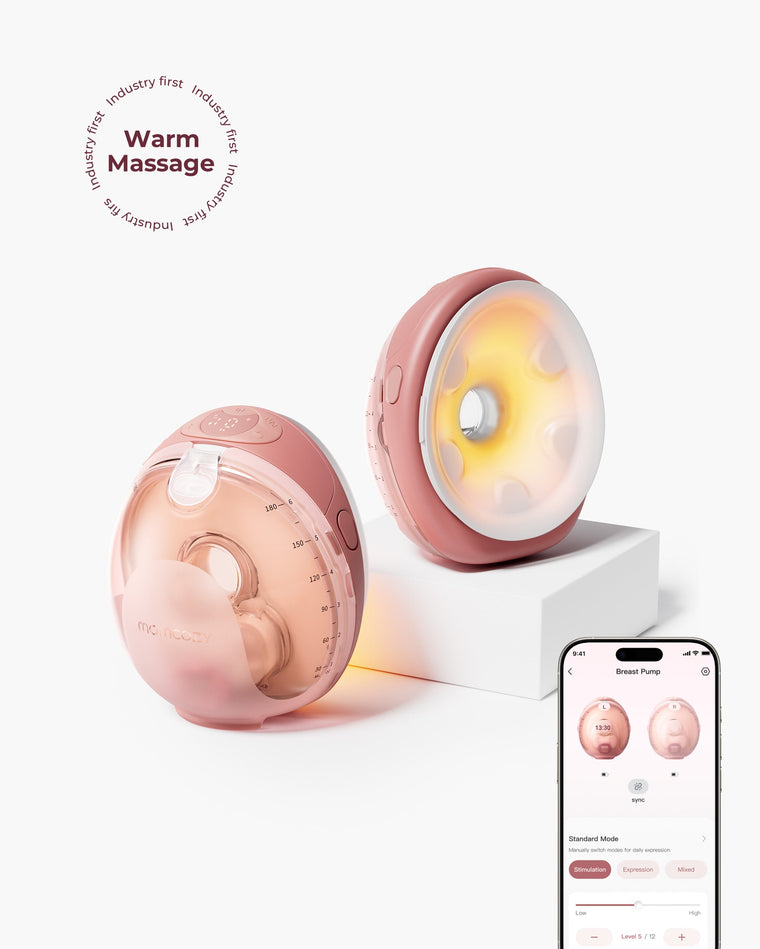
That is where Momcozy Wellness 1 fits as kit you may already use, not as treatment. Micro-pulse suction helps if you still need baby’s usual amount without a harsh tug. Wraparound warmth is the built-in warm flannel for ordinary nights (37°C, 39°C or 41°C). Switch warmth and massage off on a tender, red breast. The warmth function is not recommended for engorgement, blocked ducts or mastitis. Auto-stop keeps heat from sitting there. UK list price is £299.99. Check the product page for current availability.
When to get help
If you are no better after 12 to 24 hours of this plan, or you feel worse, contact your GP or NHS 111. Do not wait it out with harder massage.
Get help the same day if you have flu-like symptoms, spreading redness or dark streaks, a round swollen area that does not soften, or you feel very unwell. NHS advice on breast pain while breastfeeding covers that pathway in plain language.
Seek urgent care if you feel dizzy, confused, or you start vomiting with these breast symptoms. That can be a medical emergency.
A lump that is still there after several days needs a GP check. Keep feeding unless a clinician tells you otherwise. Do not start or stop antibiotics on your own.

How to lower the chance it comes back
Prevention is fewer skipped sessions and less pressure on the breast, not a supplement pitch.
Book the latch check if feeding still niggles. Feed or express to comfort rather than stretching gaps, especially overnight and when you go back to work. Nursery pickup, a carrier that bites in, and a seatbelt across the breast are the UK details that actually matter.
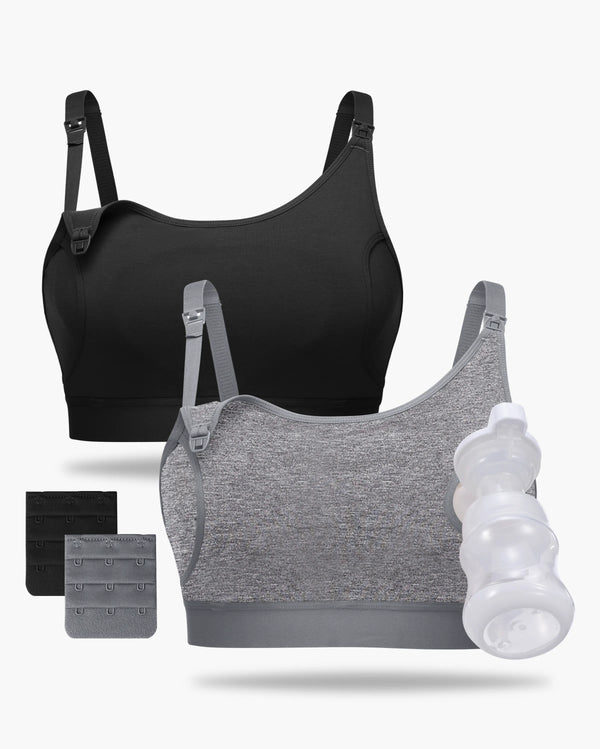
A supportive, non-restrictive bra helps more than a tight one. If you need hands-free expressing later, a Momcozy 4-in-1 hands-free pumping bra is one well-fitting option at £25.99, as long as it does not leave red grooves.

Member price
£25.99Code Save 15%

Member price
£39.99Code Save 15%
Once the lump has settled, the job is making the next night or work express actually happen. In-bra wearables help when you have no private room. Quiet enough for a night feed or a desk helps too. Wellness 1 warms in roughly 40 seconds, so you are not standing at the sink with a wet flannel at 3 a.m. That is everyday rhythm, not treatment for today’s lump.
Heading back to work soon? Pair this with our breastfeeding essentials for working mums and the best breast pump for working mums guide so the kit matches the day you actually have.
FAQ: Quick Answers to Common Questions
How do you know if you have a blocked milk duct?
You cannot diagnose it from an article. A blocked milk duct often feels like a tender, local lump, sometimes with slower flow on that side, while you still feel well. Flu-like symptoms or spreading redness need a GP or NHS 111, because those can go with mastitis. If you are unsure, treat it as something to check, not something to wait out with harder massage.
How do you massage a blocked milk duct?
Use the flat of your fingers, no firmer than stroking a cat. Sweep toward the armpit and collarbone rather than digging the sore spot or pushing toward the nipple. Stop if it hurts. Skip combs, toothbrushes and vibrating tools. Hand technique is for easing swelling, not forcing milk out.
What is the difference between a blocked duct and mastitis?
A blocked duct is usually a local lump and you generally feel well. Mastitis is inflammation of the breast and can include fever, aches and feeling quite ill. They sit on the same spectrum, so worsening symptoms mean you move from home care to a clinician. Only a GP or specialist can confirm what you have.
Should I use heat or ice on a blocked milk duct?
While the area is sore and swollen, a cold muslin between feeds is the better default. Long heat can add to swelling. A short warm cloth before a normal feed is optional only if it feels comforting and the breast is not hot and inflamed. If you use a pump with warmth, switch that function off during a tender, red episode.
Can I keep breastfeeding with a blocked milk duct?
Yes. Keep feeding to your baby’s usual pattern. Stopping suddenly can make swelling worse. If baby will not feed from that side, express only about as much as they would take, then go back to normal feeds when they will latch.
How long does a blocked milk duct last?
Many local lumps ease over a day or two with gentle care. If you are no better in 12 to 24 hours, or you feel worse at any point, contact your GP or NHS 111. A lump that lingers for several days still needs a check, because it may not be a blocked duct at all.
Conclusion
Feed as usual. Use a cat-stroke toward the armpit, not a workout on the lump. Cold muslin between feeds. Help by 12 to 24 hours if you are no better.
Once the breast feels calmer, the next job is making the night or work express happen so the gap does not open again. Warm flannel without the sink, and gentler suction if you are still sore, belong to ordinary days. They are not another go at forcing today’s lump.
If you already use Momcozy Wellness 1, keep warmth and massage off while the area is angry, and use it again for usual-volume sessions once things have settled. Speak to your midwife, health visitor or GP if you are worried.