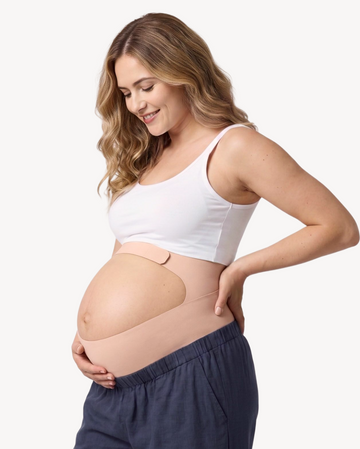
Activities can help to relieve aches, increase energy levels and help with sleep during pregnancy; however, the growing bump is changing your bounce, balance and comfort on the pavement. A pregnancy running belt (also called a maternity running belt or pregnancy belly band for running) supports and helps to stabilise your tummy during walking, jogging and parkrun. This guide is specifically for the UK area and will cover safety, benefits, what to consider when buying and the best pregnancy support belt for running options to compare.
Is It Safe to Run and Exercise During Pregnancy?

Physical activity is recommended for uncomplicated pregnancies. The NHS says that exercise during pregnancy is generally safe and will help you to get used to having to carry more weight and your body changes. As long as you feel comfortable (unless your midwife or GP says otherwise), running, walking, swimming, antenatal yoga or dance are likely to be okay.
Simple habits that reduce risk:
- Warm up and cool down all sessions.
- Get more active for at least 30 minutes a day, or in shorter periods of time.
- Don't do intense workouts under extreme conditions to avoid overheating.
- Drink liquids before, during and after working out.
- Notify class instructors that you have been informed you are pregnant and how many weeks.
- If you don't want to strain your joints, select swimming or aqua classes.
- Avoid activities that carry a high fall risk such as horseback riding, skiing, contact sports or off-road cycling.
A pregnancy running support belt is a comfort add-on, not a medical device that makes high-risk activity safe. Ask your clinician before using compression gear, especially if you have placenta previa, pre-eclampsia, heart disease, or other complications noted by running coaches and obstetric guidelines.
What Is a Pregnancy Running Belt?
A pregnancy running belt is a supportive running belt designed to support movement, not just working at a desk. In contrast to a simple bump band, a pregnancy running belt will generally provide a firmer lift beneath the belly, broader rear coverage and materials that will deal with sweat. It distributes weight over hips and lower back and can decrease tension in abdominal muscles, pelvis and spine when jogging or brisk walking.
Most designs are lightweight, allowing for ventilation as well as being adjustable to a growing bump. They will not prevent injury, but many runners notice that there is less ‘bounce’ in their stride with fewer niggles, especially in the second and third trimesters when the centre of gravity changes.
What Are the Benefits of a Pregnancy Support Belt?
Common discomforts associated with activity during pregnancy can be alleviated by using a maternity belt. A review of studies by Healthline indicates that pregnant women are likely to experience high rates of low back and pelvic girdle pain; support garments may help to reduce pressure during activity.
- Less pain: Gently lifting may provide some relief for lower back, SI joint and round ligament strain.
- Reduced bounce: Light compression helps maintain the uterus while running - just as sports bras are important for the chest tissue.
- Better posture: External cues can help prevent low back arching when bump weight is pulling forward.
- Longer active days: General prenatal fitness advice suggests that being less uncomfortable may keep you walking, working and exercising.
If there is too much compression in the abdomen, it can compromise circulation, blood pressure, or cause heartburn – fit should be supportive and not squeezing. Use for short periods (see below), not for the whole day continuously.
How to Support a Pregnant Belly While Running
Pace yourself to be able to have a conversation on flat or gentle routes, until you understand how your body reacts. Reduce stride length and use soft footfalls to reduce downward pressure on the pelvis. Wear a maternity running belt with a sports bra that has lots of support and cushioned trainers.
If you experience contractions, bleeding, fluid coming out, dizziness, chest pain, heavy shortness of breath or less fetal movement, STOP immediately and contact your midwife or GP. The belt is not a substitute for timely assessment in cases of red flags.
Reasons Why You Should Wear a Pregnancy Support Band During a Workout
Light exercise during pregnancy helps with cardiovascular health and mood; a band can make workouts easier as load increases (workout-specific support is one of the most common reasons UK mums choose to purchase one).
- Muscle and joint relief: Stability around the bump can help to relieve pelvic girdle pain, SPD or SI pain on impact.
- Less strain while moving: Supporting the uterus can alleviate the pull during running on a pavement or a hill.
- Posture prompts: Relaxin loosens ligaments; bands remind you to stack ribs over pelvis rather than leaning back.
Always clear new exercise or compression with your clinician, especially in high-risk pregnancies.
The Best Pregnancy Support Belts for Running
Below are UK-available options mums and runners often compare. Prices and stock change—check retailers before buying. This is an editorial roundup, not a ranked test lab.
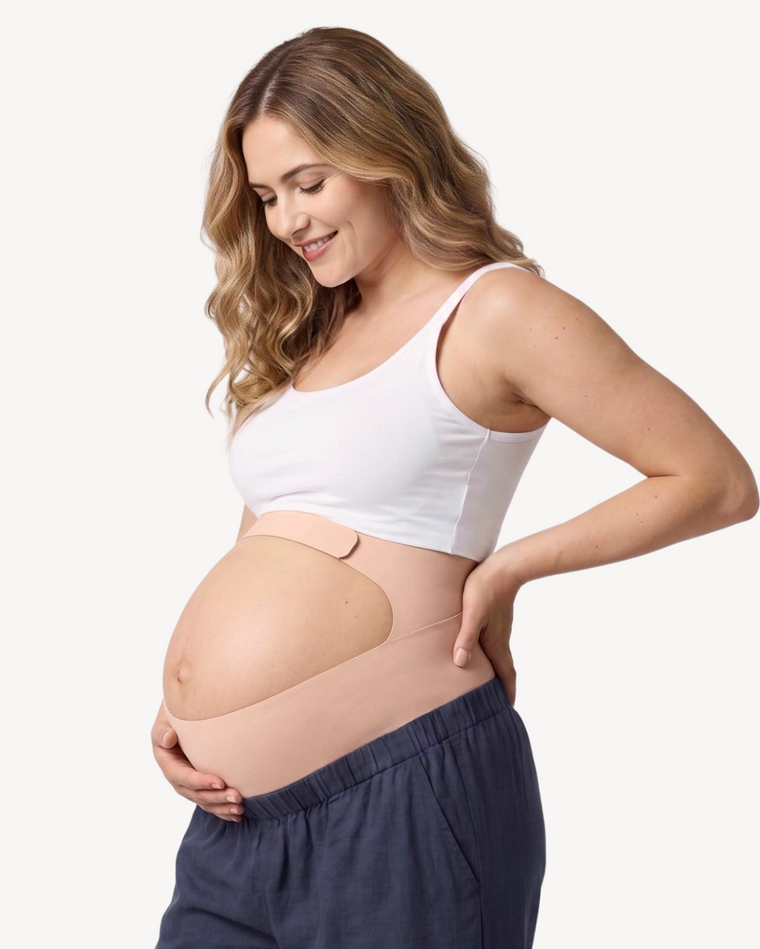
1. Momcozy Ergonest Maternity Belly Band
Momcozy Ergonest Maternity Belly Band is designed to provide optimal support to pregnant women during exercise. This pregnancy running support belt helps to reduce the bounce and strain on your growing belly, hips, and lower back, making it perfect for runners. The band's 3D molding and Ergonest support structure work together to target the abdomen and lower back specifically.
- Price: £59.99
- Key features: 3D molding and Ergonest support structure, breathable lining with air holes, self-gripping closure, seamless discreet fit, S–3XL sizing
- Pros: Reduces back pain and provides belly support, great for active mums including runners, adjustable and stays in place during movement
- Cons: May feel too tight if worn for several hours straight
2. Lola & Lykke Core Relief Pregnancy Support Belt
The Lola & Lykke Core Relief Pregnancy Support Belt is a running belly band pregnancy belt that offers physiotherapist-designed support, perfect for providing stability during physical activity like jogging or walking. It's constructed from a soft bamboo viscose fabric for greatest comfort, so it is a favourite amongst expecting runners.

- Price: £95
- Key features: Dual adjustable compression straps, bamboo viscose lining, hot/cold therapy gel pack included, physiotherapist-designed
- Pros: High-level support for back, pelvis, SI joint and round ligament pain, soft on sensitive skin, two-time Made for Mums award winner
- Cons: Higher price point than most on this list
3. JoJo Maman Bébé Active Maternity Bump Support
The JoJo Maman Bébé Active Maternity Bump Support is designed specifically with exercise in mind, helping to keep back aches and pains at bay by offering lower back and under-the-bump support as you run. Cleverly shaped not to roll down, it's comfortable to wear throughout a workout or a run.

- Price: £18
- Key features: Seamless construction, quick-dry and antibacterial finish, moisture-wicking fabric, shaped to prevent rolling
- Pros: Built specifically for workouts and running, lightweight and breathable, comfortable through gym classes
- Cons: Sizing runs smaller than the brand's regular maternity range
4. Serola Sacroiliac Belt
The Serola Sacroiliac Belt takes a different approach to most belts on this list. It's not primarily a "bump lift" band but a clinical-grade support used by NHS physios, chiropractors and osteopaths for sacroiliac and pelvic girdle pain, one of the most common reasons pregnant runners reach for a belt in the first place. Its non-elastic front layer mimics ligament function while the elastic back panel compresses and stabilises the SI joints, and it's discreet enough to wear under running gear during activity.

- Price: £30-35
- Key features: Non-elastic front layer with elastic compression wings at the back, breathable and hypoallergenic fabric, no buckles or hard parts, available with an extender strap for later pregnancy
- Pros: Recommended by NHS physios for SI joint and pelvic girdle pain, comfortable for extended wear without buckles digging in, doubles as postpartum support, worn during exercise including running
- Cons: Less of a "bump lift" than other belts on this list, so it suits back/pelvic pain specifically more than general bump support
5. Carriwell Maternity Support Band
The Carriwell Maternity Support Band offers an affordable solution that offers gentle support while doing exercise without burning a hole in your wallet. It is a pregnancy belly band for running, lightweight and ideal for doing exercises outside, with some extra stretch, which makes it bigger as the baby grows.

- Price: £14.72
- Key features: Seamless microfibre knit, extra stretch panel over the bump, thicker back panel for lower back warmth and support, no roll-down knitting process
- Pros: Discreet under clothing, soft and breathable, doubles as support for daily activities beyond running
- Cons: Several reviewers report fraying at the seams and a tendency to roll during extended wear
6. BabyGo Pregnancy Support Belt
BabyGo Pregnancy Support Belt is designed to support mums who are active, providing 4-in-1 support, customised to every trimester and postpartum recovery. It has 2-way stretch and breathable fabric to give free rein of motion while exercising, making it a great choice for pregnant runners.

- Price: £30
- Key features: 2-way stretch fabric, mesh ventilation panels, fully adjustable velcro includes a 50-page pregnancy book.
- Pros: Comfortable for extended wear, breathable and lightweight, doubles as postpartum support
- Cons: Some reviewers note Velcro durability issues over time
7. FittaMamma High Impact Ultimate Maternity Top
The FittaMamma High Impact Ultimate Maternity Top acts as a sports bra for the bump, technically designed to accommodate the bump during pregnancy. It reduces bump bounce, relieves pressure on the pelvic floor, and keeps the back under control, allowing runners to train safely.

- Price: Around £49.99
- Key features: Triple-layer cross-back construction, silicone grip band to stop riding up, lab-tested to minimise bump bounce and machine washable at 30°C.
- Pros: Purpose-built for high-impact activity including running, supports bump, back and chest simultaneously, praised by runners in reviews
- Cons: Pricier and more technical than a simple belt; not a discreet, low-profile option
8. Cantaloop Maternity Support Belt
Cantaloop Maternity Support Belt is a seamless & soft bump band that allows you to effortlessly move from non-maternity to maternity wear with ease and comfort, for your expanding bump. It comes with knitted-in support and comfortable sides, which are suitable for daily wear.

- Price: £19.99
- Key features: Seamless one-piece design, in-woven support panel, no fastenings, available in multiple sizes and colours
- Pros: Very affordable, soft and comfortable, easy to put on with no adjusting needed
- Cons: Some reviewers find it rolls during extended wear
9. Emma Jane Maternity Support Belt
The Emma Jane Maternity Support Belt, also known as the Reenie Belt, is a running belly band pregnancy option that's fully adjustable to your changing shape, supporting the abdomen while relieving pelvic pain and backache. It is recommended by hospitals and physiotherapists as a budget-friendly everyday choice.

- Price: £12.95
- Key features: It can be adjusted at the back and front; it is fully adjustable to changes in shape, and physiotherapists recommend using it for relief from backache.
- Pros: Budget-friendly, simple and effective, often recommended by physios
- Cons: A few reviewers note that the Velcro fastening becomes loose when moving.
10. Gabrialla Elastic Maternity Support Belt
The Gabrialla Elastic Maternity Support Belt is an ideal choice for runners because of its extra-firm support, which is great for those who have bigger bumps. It is used for stability during exercise, and is used by many active mums who want to have proper posture during workouts.

- Price: £27.95
- Key features: 6” back panel with a 3” front end, Lycra-polyester fabric with breathable properties, hot/cold therapy pocket, hook-and-loop closure with side pull adjustment
- Pros: Recommended maternity belt among pregnant runners, promotes posture, therapy pocket adds extra relief
- Cons: The firmer structure is bulkier under clothing than softer band-style alternatives are.
How to Choose a Pregnancy Belt
Match the belt to your main activity and trimester:
- Adjustable fit: Straps should grow with you from mid-pregnancy onward.
- Targeted lift: Wide panel under bump plus lumbar support—not just a thin tube top.
- Breathable fabric: Moisture-wicking material for runs and summer walks.
- Secure but flexible: Stays put without blocking natural stride.
- Comfort edges: Soft finishes reduce chafing on longer outings.
- Easy on/off: Hook-and-loop or buckle closures for quick toilet breaks.
Try over a thin base layer first. If you need help choosing within our range, browse the full maternity belly band collection or read our Ergonest deep-dive on the UK blog.
How to Wear a Pregnancy Running Belt
- Lay the larger piece under your belly, right in the middle of your lower abdomen.
- Wrap straps around your lower back and secure tightly, but not so tight as to cut off airflow.
- Adjust so the bump feels gently lifted; you should move and talk normally.
- Remove for running, hiking or walking only if feeling pull or bounce; if still uncomfortable standing, wear it.
- Stop and ask for help if pain, dizziness, contractions, or unusual symptoms occur.
Important Things to Know About Wearing a Belly Band
Should I Wear a Belly Band While Pregnant?
If you have been cleared to do so by your clinician and experience back pain, discomfort in the pelvis, or discomfort in the round ligament during activity, or if you experience a heavy, dragging bump when you run, wear one. A band is not required if you are feeling well without it and have been cleared to jog.
When to Start Wearing a Belly Belt During Pregnancy?
Many women start when the bump makes it harder to balance at 16-20 weeks; others start even earlier when they are carrying twins, running a lot or when the bump is causing pain in the pelvis. Trust your comfort and activity level.
Is It Okay to Wear a Pregnancy Belt All Day?
No—wear for approximately 2-3 hours at a time. Long-term core muscle engagement may be diminished by overuse. Never sleep in a compression belt. If your skin becomes irritated, remove the belt and use a thin layer underneath instead.
Should You Wear a Belly Band While Running?
If running leads to low back or pelvic pain, pulling on the round ligaments or heaviness in the abdomen and/or slight instability, try it. If you can do it without extra support, then you can skip this.
Stop running and come to a talk with your midwife or GP if you notice any of the following: bleeding from the vagina, painful contractions that occur regularly, leakage or discharge of fluid, deep abdominal or pelvic pain, restrictions relating to the placenta, extreme heat or feeling unwell. A pregnancy running band supports comfort—it does not override these stop rules.
What to Wear When Running While Pregnant
Layer breathable, moisture-wicking tops; choose a supportive sports bra sized for pregnancy; wear well-cushioned trainers with room for mild swelling. Add a pregnancy running belt when bump bounce or back strain appears. Dark leggings or shorts with a long vest help you adjust layers as temperature changes. Reflective details matter on winter evenings—common on UK commute-time runs.
FAQ
Can I Run a 5K While Pregnant?
Often yes, if you ran before pregnancy, your clinician approves, and you feel well. Scale pace and distance to symptoms—not your pre-pregnancy PB. Many UK mums continue parkrun into the third trimester with modified effort.
Is It Okay to Lightly Jog While Pregnant?
Light jogging is generally acceptable in healthy pregnancies after clearance. Keep effort conversational, stay hydrated, and stop for any warning signs listed above.
When to Stop Jogging When Pregnant?
Stop for bleeding, painful contractions, dizziness, chest pain, severe breathlessness, calf swelling with pain, headache with vision changes, or if your care team advises stopping. Stop earlier in heatwaves or when illness makes exertion feel wrong.
Can I Run 10K While Pregnant?
Some experienced runners continue longer distances with medical sign-off; many reduce to 5K or walk-run intervals. There is no medal for pushing through pain—prioritise oxygen, hydration and fetal wellbeing over distance targets.
Can You Sit with a Pregnancy Belt?
You can sit briefly while wearing a belt, but loosen or remove it for long periods of sitting or driving so circulation and digestion are not compressed. Belts are meant for upright activity support.
Which Exercise Should Not Be Done in Pregnancy?
Avoid contact sports, diving, hot yoga, exercising flat on your back in late pregnancy if dizzy, heavy lifting without technique, and anything with fall risk. Your midwife can give personalised lists—especially if you have complications.
How Do I Tape My Pregnant Belly for Running?
Some athletes use kinesiology tape for bump or back support. Technique varies by trimester, and provider advice is essential—poor taping can irritate skin or offer false security. A properly fitted maternity running belt is simpler for most mums; ask a women’s health physiotherapist before combining tape and belts.
At What Point in Pregnancy Should I Stop Running?
There is no universal week—stop when your clinician advises, when symptoms appear, or when comfort ends. Many women switch to walking or swimming in late pregnancy; others jog gently until delivery with approval.
When Should You Not Wear a Maternity Belt?
Avoid if your clinician advises against compression, if you have certain circulation or blood pressure issues, while sleeping, or if the belt causes rash, numbness or worsening pain. Remove if it feels overly tight.
Does a Maternity Belt Reduce Tummy Size?
No. A pregnancy running belt supports abdomen and back—it does not shrink tissue or replace gradual fitness and recovery after birth.
Conclusion
A well-chosen pregnancy running belt can make the difference between abandoning your run and finishing comfortably. Match support level to your bump, pace and pain pattern; limit wear time; and keep your midwife or GP in the loop. For mums comparing UK options, the Momcozy Ergonest Maternity Belly Band balances breathability, adjustability and bump lift for active pregnancies. However you move—parkrun, pavements or treadmill—you deserve gear that works with your changing body.