Finding the best belly band for pregnancy pelvic pain can turn everyday movement from a grind into something manageable. As your bump grows, the extra weight often presses on the pelvis and lower back, making school runs, supermarket trips, or a commute on the Tube feel heavier than they should. A well-chosen band or maternity support belt lifts and redistributes that load, steadies your posture, and may ease pelvic girdle discomfort so you can stay more mobile through the second and third trimesters.
Below, we explain how belly bands work, how they fit into UK care for pelvic girdle pain (PGP), what to look for in the best pregnancy support belt UK shoppers compare, and a round-up of the best belly bands for pregnancy—including Momcozy options and other widely reviewed styles—so you can match support level to how your body feels day to day.
What Is a Pregnancy Belly Band?
A pregnancy belly band is a stretchable elastic band worn around the bump to support the lower back, hips, and abdomen. As the bump expands, pressure can build through the pelvis, lumbar spine, and abdominal muscles. Soft compression and a gentle lift help redistribute weight and give the core a more stable feel—useful whether you are walking the dog, standing at work, or simply moving around the house.
There are two main styles you will see when shopping for the best belly band for pregnancy:
- Light support bands – Breathable and flexible for milder discomfort and everyday wear. Many sit under or over clothing and can also keep unbuttoned jeans or maternity trousers covered in early pregnancy.
- Maternity support belts – Firmer, often adjustable designs preferred later in pregnancy or when pelvic girdle pain, sciatica-type symptoms, or round-ligament aches are more noticeable. Extra straps usually allow a more tailored hold.
Beyond day-time comfort, some people also use supportive garments after birth while abdominal muscles settle—always following midwife or physiotherapist advice for postpartum use.
Do Pregnancy Belly Bands Help with Pelvic Pain?
Yes. A belly band can help reduce pelvic pain in pregnancy for many people. Shifting centre of gravity and growing bump weight load the pelvic joints, ligaments, and muscles. That pattern is often described as pelvic girdle pain (PGP), with discomfort around the hips, lower back, and front of the pelvis (pubic symphysis).

By offering mild compression around the lower back, abdomen, and hips, a band helps stabilise the pelvis and takes some load off soft tissues as the bump is lifted and rebalanced. Walking, standing, and general activity often feel easier—especially in the second and third trimesters, when PGP is common. For night-time comfort, a pregnancy pillow can further support the pelvis and spine while you sleep.
Professional bodies such as the American College of Obstetricians and Gynecologists (ACOG) note that maternity support garments, including belly bands and belts, may ease common pregnancy-related aches. Peer-reviewed nursing research (including work discussed in the Journal of Clinical Nursing) has also reported reductions in pelvic and lower-back pain and better day-to-day activity for some wearers. Results vary by person; a band is a support aid, not a cure. In the UK, discuss ongoing PGP with your midwife or GP—NHS pathways often include referral to women’s health physiotherapy when symptoms limit walking or sleep.
How to Ease Pelvic Pain During Pregnancy
A support belt is one tool, not the whole plan. Practical steps many UK clinics and physio teams encourage alongside a band include:
- Moving with care—avoid heavy lifting, keep knees together when turning in bed, and take stairs slowly when groin or pubic pain flares.
- Short rest breaks between standing or walking tasks (school pick-up, housework, retail shifts).
- Gentle mobility or pregnancy-safe exercise only as advised by your midwife or physiotherapist.
- Sleeping on your side with a pillow between the knees once that feels more comfortable later in pregnancy.
- Asking for a women’s health physiotherapy referral if pain is sharp, one-sided, or stopping you from walking normally.
If pain is severe, sudden, or paired with other worrying symptoms, contact your maternity triage or GP promptly. This article is general information, not personal medical advice.
What to Look for in the Best Pregnancy Support Belt UK Shoppers Compare
UK round-ups (from consumer reviews to parenting sites) keep returning to the same buying filters. Use them when you compare the best belly bands for pregnancy:
- Support level – Soft tube-style bands for light lift; structured belts with wider back panels or stays when PGP or lower-back strain is stronger.
- Fit and adjustability – Hook-and-loop or hook-and-eye systems that grow with the bump; measure lower-back / bump circumference rather than pre-pregnancy jeans size.
- Fabric and breathability – Soft next-to-skin feel for British mild-but-damp days; mesh panels help if you overheat easily.
- Wear style – Discreet under clothes for the office vs. over-clothes belts for walks and chores.
- Session length – Many belts are meant for active periods, not all-day dependency; follow product guidance and clinician advice.
When and How to Wear a Belly Band
There is no single week when everyone should start. Most people reach for support once the bump feels heavy or pelvic/back ache appears—often from the second trimester, earlier with twins or a fast-growing bump. Wear under or over clothing based on comfort; if Velcro irritates skin, add a thin vest underneath.
Support belts are generally designed for standing and walking rather than sleep. Night-time wear is usually discouraged unless a clinician recommends a specific product. If unsure whether a band suits your PGP or SPD symptoms, check with your midwife, GP, or physiotherapist before relying on it daily.
10 Best Pregnancy Belly Bands
Prices for non-Momcozy picks below reflect the source article’s listed USD figures and may differ on UK retailers. Momcozy prices use current uk.momcozy.com figures at the time of localisation.
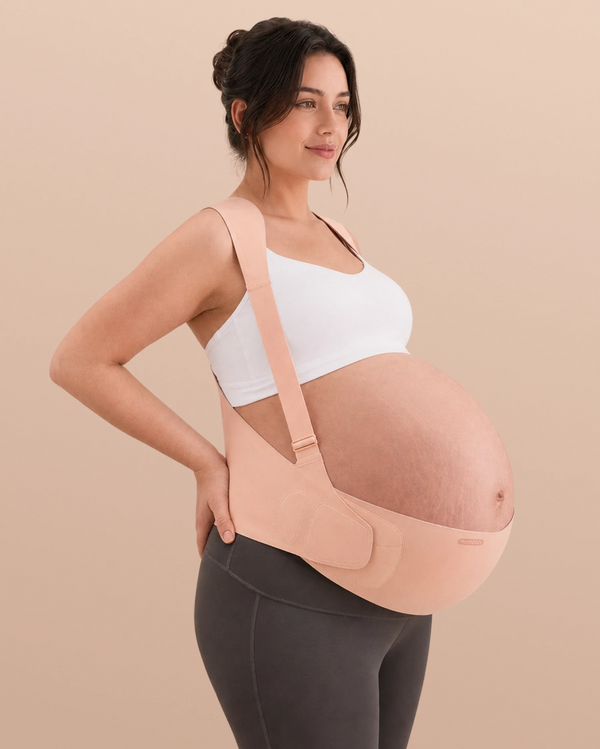
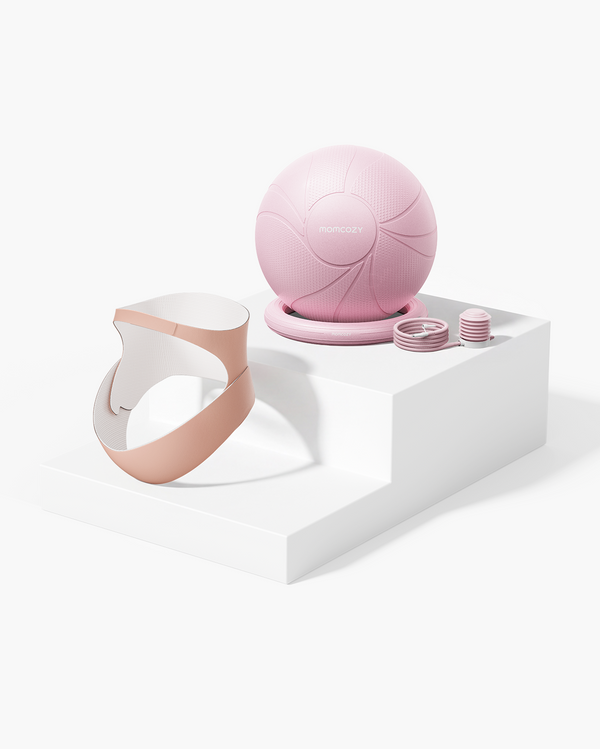
1. Momcozy Go As You Grow™ Maternity Belly Band


Price: £79.99
Intro: The Momcozy Go As You Grow™ Maternity Belly Band is built for twins, multiples, or a fast-growing bump. An integrated 3-zone support system redistributes weight, while the 2.0 Ergonest Support Structure™ with dual-side stays helps ease back fatigue. An ergonomic racerback and padded straps balance shoulder load for a flexible, tailored fit in late pregnancy.
Pros: Integrated 3-zone support • Dual-side stays to ease back fatigue • Ergonomic racerback and padded straps • Soft fabric with airflow channels
Cons: Structured shoulder-strap design needs more initial adjustment than a simple pull-on band
Sizing: L–3XL
Care: Hand-wash in warm water with mild detergent and air-dry
2. Momcozy Ergonest Maternity Belly Band

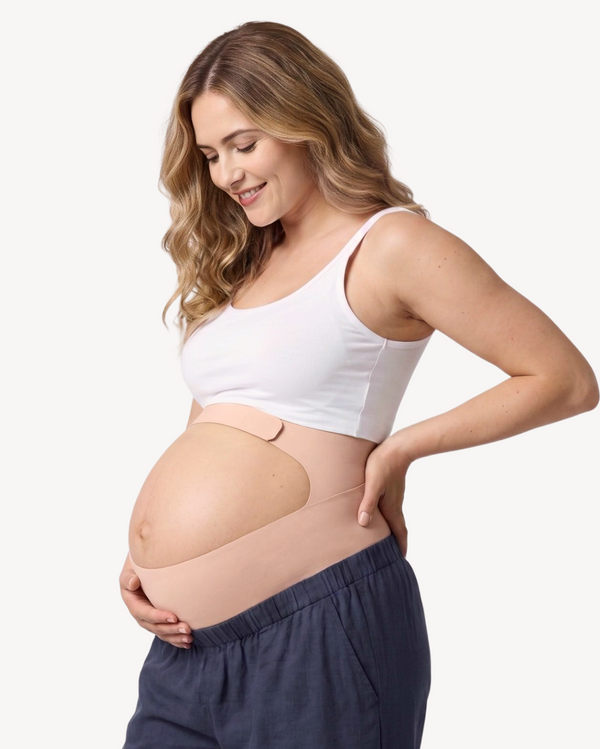
Price: £59.99
Intro: The Momcozy Ergonest Maternity Belly Band (BumpEase) is designed to lift and support the belly, pelvis, and lower back. Its 3D-moulded Ergonest support structure aims for stability with a sleek profile that sits discreetly under clothes, using breathable materials and gentle compression for day-to-day wear.
Pros: Gentle abdominal lift • Pelvic stability • Air holes for ventilation • Easy hook-and-loop adjustment
Cons: May run small—sizing up is often recommended
Sizing: M–XXL (35–59 in / about 89–150 cm lower-back circumference)
Material: Soft material
Care: Hand-wash in warm water with mild detergent and air-dry
Reviews: 4.1 out of 5 stars (source article rating)
3. NeoTech Care Pregnancy Support Maternity Belt

Price: $24.97 (USD list from source)
Introduction: Elastic maternity belt that redistributes belly weight to ease pressure on the back, hips, and pelvis.
Pros:
- Noticeable relief for back/hip discomfort; supportive across pregnancy
- Breathable mesh for warmer days
- Durable Velcro that adjusts as the bump grows
Cons:
- A bit bulky; can show under clothing
- Mixed reports of scratching discomfort
Sizing: Multiple sizes (S–2XL); reviewers often report an accurate fit
Material: Elastic nylon/spandex mesh
Care: Hand wash or delicate machine wash; hang to dry
Reviews: 4.2 out of 5 stars
4. AZMED Maternity Belt Back Support

Price: $34.99 (USD list from source)
Introduction: Adjustable abdominal binder for pelvic, waist, and lower-back comfort.
Pros:
- Strong, even belly/back support
- Easy on/off with wide Velcro
- Well rated for round-ligament and lower-back discomfort
Cons:
- Can irritate bare skin
- May ride up when seated
Sizing: One-size (fits up to 46″)
Material: Breathable elastic mesh/bandage fabric
Care: Hand wash or gentle machine wash; air dry
Reviews: 4.3 out of 5 stars
5. ChongErfei Pregnancy Belly Band Maternity Belt

Price: $15.99 (USD list from source)
Introduction: Lightweight binder focused on back, pelvic, and hip support.
Pros:
- Affordable option for lumbar support
- Multiple size options and elastic comfort
Cons:
- Basic design—few extra features
Sizing: Several sizes (S–plus)
Material: Elastic, breathable fabric
Care: Machine washable
Reviews: 4.3 out of 5 stars
6. Jill & Joey Maternity Belt

Price: $14.99 (USD list from source)
Introduction: Velcro-adjustable support band known for comfort and a snug fit.
Pros:
- Adapts well as the abdomen grows
- Strong Velcro that stays put
Cons:
- Lighter support than more structured belts
Sizing: Multiple options
Material: Stretchy polyester blend
Care: Machine wash delicate; air dry
Reviews: 4.4 out of 5 stars
7. DIRAVO Women’s Maternity Belly Band

Price: $16.99–$17.99 (USD list from source)
Introduction: Cotton-blend stretch band with silicone grip to limit slipping.
Pros:
- Non-slip silicone lining
- Budget-friendly and stretchy
Cons:
- Limited structured support—less ideal for severe pain
Sizing: 3 sizes available
Material: Cotton blend with silicone grip
Care: Machine wash; air dry
Reviews: 4.3 out of 5 stars
8. Gepoetry Maternity Belly Band

Price: $15.99 (USD list from source)
Introduction: Versatile support band suitable for pregnancy and postpartum stages.
Pros:
- Adjustable and breathable
- Useful across multiple stages
Cons:
- Moderate support—may feel minimal for intense pain
Sizing: One size (adjustable)
Material: Elastic mesh blend
Care: Machine washable; air dry
Reviews: 4.4 out of 5 stars
9. Meditex Maternity Belt

Price: US $15.99 (list from source)
Introduction: A structured maternity belt with supportive boning intended to ease lower-back, pelvic, and sacroiliac joint discomfort in pregnancy.
Pros:
- Comfortable support, especially around SI-joint discomfort
- Durable boning construction
- Soft fabric that holds up under clothes
Cons:
- Runs small—consider sizing up
- May feel stiff when sitting or lying down
Sizing: One size with adjustable straps for varied belly shapes
Material: Structured elastic with built-in boning; soft stretch fabric
Care: Spot clean or gentle hand wash as per tag
Reviews: 3.9 out of 5 stars
10. Gabrialla Elastic Pregnancy Belly Band

Price: $21.24–$27.95 (USD list from source)
Introduction: U.S.-made belly band with a wider (6") back tapering to a 3" front for firm, even support across the lower back and pelvic area. Includes a hot/cold therapy pocket.
Pros:
- Wide panel for stable lumbar support
- Side straps for a personalised fit
- Pocket for a cold/hot pack
Cons:
- Some find the boning uncomfortable for long wear
- Needs precise sizing—fit tip included
Sizing: Multiple sizes; measure waist/back for best fit
Material: Breathable elastic; structured yet flexible with supportive boning
Care: Machine washable per label; air dry recommended
Reviews: 3.9 out of 5 stars
FAQs
Which pregnancy belly band is best?
It depends on bump size, pain pattern, and how structured you want the support. For a discreet daily band with 3D moulding, many UK shoppers favour the Momcozy Ergonest. For twins, multiples, or a heavier late-pregnancy bump, the Go As You Grow™ design with shoulder-balanced support is the stronger Momcozy option in this list. Budget belts (NeoTech, ChongErfei, and similar) suit lighter or short-session needs. Match fit and support level first—not the lowest price alone.
What band helps pelvic girdle pain?
Look for a maternity support belt or structured belly band that lifts the bump and steadies the pelvis—wider back panels, adjustable straps, and a secure under-bump cradle tend to help more than ultra-light fashion tubes when PGP is the main issue. Momcozy’s Ergonest and Go As You Grow™ styles are built around belly lift and back stability; firmer third-party belts with boning (for example Meditex or Gabrialla in this round-up) are also chosen when sacroiliac or pubic pain is prominent. Confirm suitability with your midwife or physiotherapist if PGP is diagnosed.
Do support belts help with pelvic pressure during pregnancy?
Yes, they can help. Belts gently take the weight of the expanding abdomen and reduce downward strain on the pelvis. By redistributing load and encouraging a steadier posture, they may ease discomfort in the hips, pelvic floor, and lower back—especially in the second and third trimesters.
Does a belly band help with Symphysis Pubis Dysfunction (SPD)?
Yes, belly bands can help manage SPD—a common pregnancy-related issue linked to looser pelvic joints. A well-fitted band or pelvic support belt helps stabilise the pelvis, reduce joint strain, and limit excessive movement. That may ease pain in the pubic bone, groin, and lower back when walking, standing, or turning in bed.
Do belly bands help with pelvic support?
Yes. Belly bands offer mild to moderate pelvic support by compressing and stabilising the area. That can ease pain from ligament stretch and joint instability and may help if you have pelvic girdle pain or lower-back discomfort. Some designs use targeted pressure zones for a more focused hold.
Conclusion

The right belly band can make pregnancy feel more manageable when pelvic pain shows up. Whether you need light everyday support or firmer stabilisation for SPD or PGP, prioritise fit, fabric, and support level. Chosen well, a band can help you stay more mobile and comfortable through each stage—always alongside advice from your midwife, GP, or physiotherapist when pain is persistent.