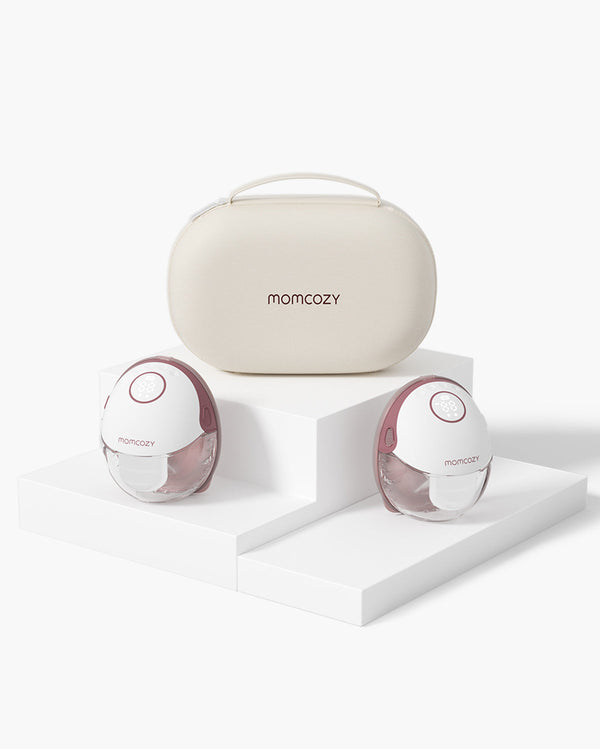
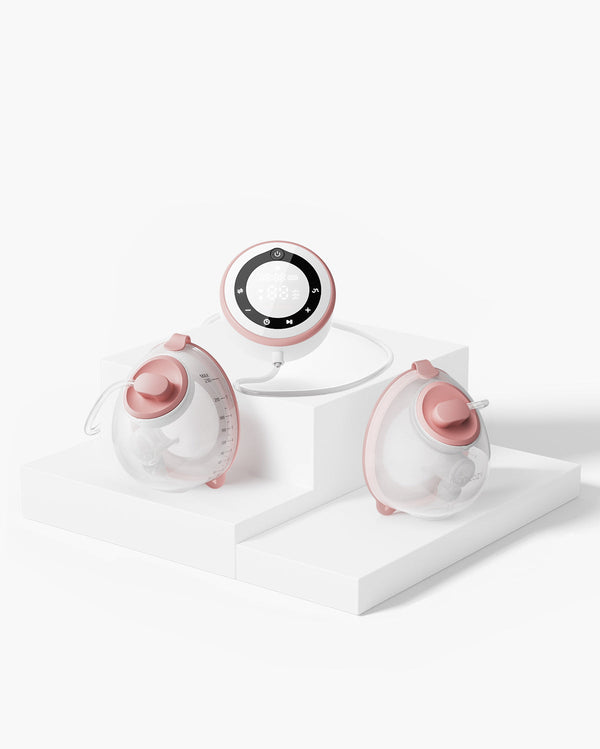
When shopping for a breast pump, the price can vary significantly depending on the type of pump you choose. Whether you are looking for a manual breast pump, an electric breast pump, or a wearable breast pump, we’ll break down the cost and explain what factors influence the average price of breast pump.
Price for Different Types of Breast Pumps in the UK
The price of a breast pump in the UK can depend on several factors, including its design, functionality, and the brand. Here’s an overview of the prices you can expect for different types of breast pumps available in the UK.
Wearable Hands-Free Breast Pumps (£79.99 to £419.99+)
Wearable breast pumps offer unmatched convenience, allowing mums to pump hands-free while they go about their daily activities. Whether you're at work, doing house chores, or spending time with family, these pumps fit discreetly into your bra, making them ideal for multitasking. The primary appeal of wearable pumps is their portability and discretion, as they fit inside the bra and allow mums to express milk more comfortably and confidently without being tethered to a power outlet.
Key Features: Discreet, hands-free, portable, app-controlled (on select models), in-bra wearability.
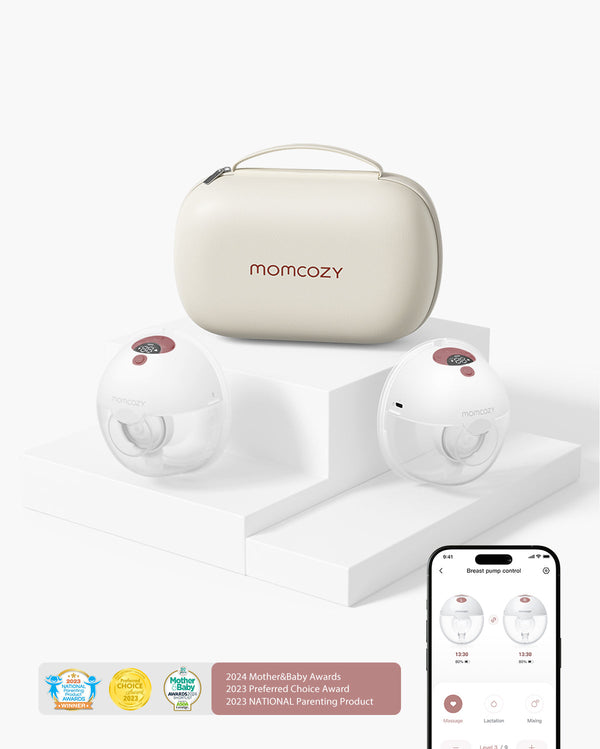
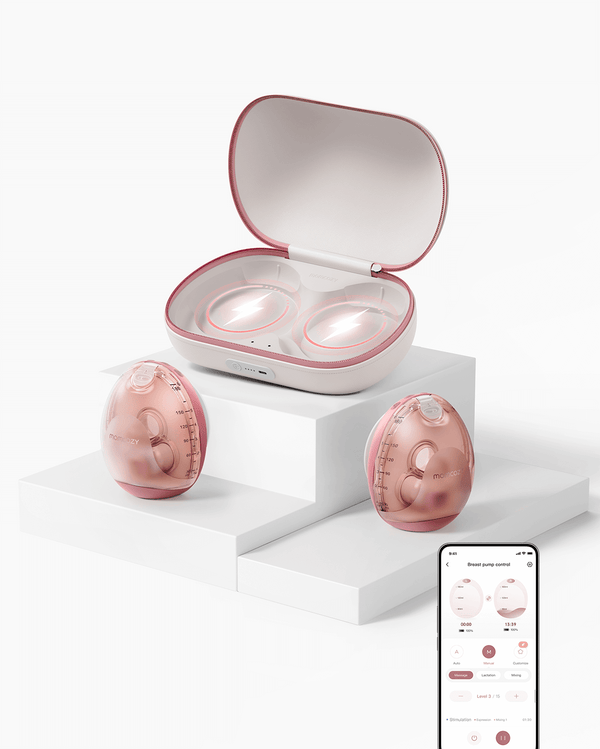
For instance, Momcozy's M5 Smart Wearable Breast Pump offers app control, which allows mums to track their pumping sessions in real-time. The Momcozy Air 1 Ultra-slim Breast Pump brings ultra-slim design and wireless charging into the mix, making it an excellent choice for those seeking both style and functionality. While wearable pumps are typically more expensive, they provide added flexibility for busy mums who need to pump while on the move.
Comfort Fit
Steady Output
Hands-Free Freedom
Easy App Control
Ultra-slim
Wireless Charging
Effortless Alignment
Smart App Control
Manual Breast Pumps (£10 to £40)
Manual breast pumps are a more affordable option for occasional use or as a backup. They are compact, lightweight, and do not require any power source, making them ideal for mums on a budget or those who only pump occasionally.
Key Features: Lightweight, easy to use, no power needed, portable.
Although manual pumps are inexpensive, they do require more time and physical effort to express milk compared to electric pumps. They are not ideal for mums who pump regularly or need to express milk quickly, but they serve well for occasional use, offering a straightforward and reliable option when needed.
Traditional Electric Breast Pumps (£52 to £139.99+)
Traditional electric breast pumps are often used by mums who pump regularly. They usually have an external motor connected to breast shields and bottles, so milk flows directly into the bottle. Some models are compact, while others are larger or need to be plugged in. They also offer adjustable suction and single or double pumping options.
Key Features: Motorised, adjustable suction, efficient, available in single or double models.
Electric pumps offer a good balance between cost and performance. They typically sit in the middle of the price range and provide efficient milk expression for regular users. These pumps are especially suitable for home pumping, as milk is expressed directly into bottles and can be stored more easily after each session. They offer strong, steady performance for regular use. However, some traditional electric breast pumps have a larger motor unit or need to be plugged in, so they are usually less mobile than wearable pumps.
Hospital-Grade Multi-User Breast Pumps (£42 to £49 for the First 14 Days, £42 to £49 per Month After)
Hospital-grade pumps are designed for high-volume, intensive use, and are often rented due to their high cost. They are typically used in medical situations, such as for premature babies, or for mums who are facing challenges with milk supply. These pumps offer the highest suction power and most efficient milk expression.
Key Features: High suction power, efficient milk expression, multi-user, ideal for medically necessary use.
Renting a hospital-grade pump can be a more affordable option for those who need it for a short period. These pumps provide exceptional performance, making them ideal for short-term use or when extra support is needed, such as when establishing milk supply in the early stages of breastfeeding. They are typically rented on a weekly or monthly basis, making them a sensible choice for mums with specific medical needs or pumping challenges.
Factors That Influence Breast Pump Price in the UK
Several factors can influence the breast pump price in the UK. These include technology, portability, brand reputation, and accessories. Below are the key factors that contribute to the electric breast pump price.
Technology
Technology plays a major role in pricing. Pumps with advanced features tend to cost more because they add convenience, control, and efficiency.
For example, a basic electric pump will usually be cheaper than a wearable pump with smart controls. The Momcozy M5 Smart Wearable Breast Pump (which includes app‑based controls) sits higher in the price range than more basic electric options because the app allows real‑time adjustment of suction and timing. The Momcozy Air 1 Ultra-Slim Breast Pump goes further with app control and a wireless charging case, which supports longer use between charges.
This kind of smart control makes pumping easier for many mums, but it also increases the production cost, which is reflected in the price.
Portability
Portability is another pricing factor. Pumps designed to be lightweight, compact and truly wearable tend to cost more than larger units that rely on mains power or fixed motor housings.
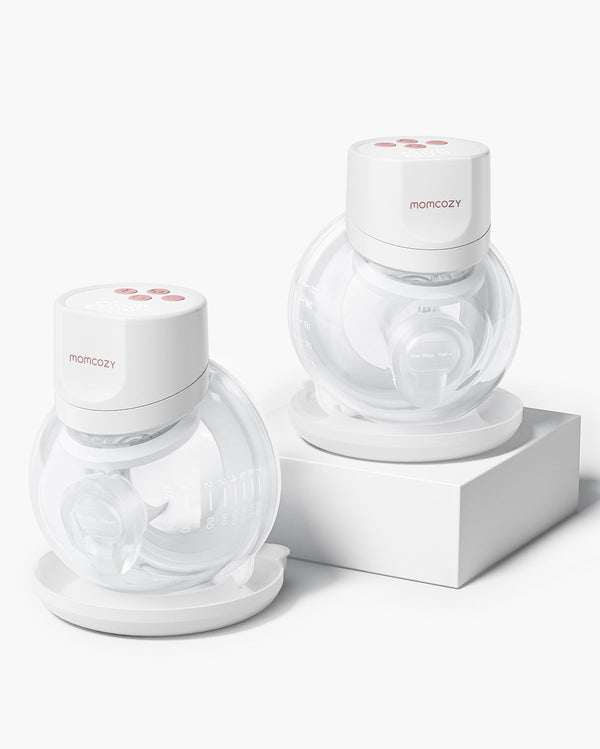
Wearable models pack motors, batteries and controls into each breast cup rather than a central unit. For example, the Momcozy S12 Pro Quick Wearable Breast Pump fits directly inside the bra and runs on an internal battery. That convenience and compactness add engineering cost, which contributes to a higher breast pump price compared with basic lightweight electric pumps that stay plugged in.
Time-Saving Convenience
Breast-Friendly Comfort
Upgraded Eficiency
Long-Lasting
Brand Reputation
Brand reputation affects price because it often signals quality, durability and local support. In the UK, a pump from a brand known for good customer service and easy replacement parts can command a higher price.
Trusted brands often invest in warranty services and UK‑based support teams, which tend to cost more than budget imports. For many UK mums, peace of mind from reliable warranty coverage and easy customer assistance is worth the slightly higher price tag.
Included Accessories
What comes in the box influences the overall cost. Pumps that include extra accessories such as additional breast shields, storage bottles or charging cases will generally cost more than models with only the basics included.
If a pump is bundled with more parts that many mums need anyway, it can represent better value even if the breast feeding pumps price seems higher at first glance. On the other hand, a lower base price might end up costing more once you start buying all the add‑ons separately.
How to Get a Breast Pump at a Lower Cost in the UK
-
Choose the Right Pump for Your Needs: If you only need to pump occasionally, a manual or basic electric pump may be enough, reducing the overall cost.
-
Look for Discounts or Bundles: Seasonal sales can make a big difference. Brands like Momcozy often run offers around key shopping moments, such as Mother’s Day, Breastfeeding Week, brand anniversaries, and Black Friday. Bundle deals can also help lower the total cost, especially when they pair a breast pump with useful extras such as a bottle washer, nursing bra, milk storage bags, or replacement parts.
-
Check NHS or Local Support: Some mums may be eligible for free or subsidised breast pumps through NHS or local schemes, especially for those with medical needs or qualifying for Healthy Start Vouchers.
-
Consider Renting a Pump: If you need a high-performance or hospital-grade pump for a short period, renting can be more cost-effective than buying.
-
Take Advantage of Replacement Parts and Accessories: Buying accessories like replacement valves and storage bags in bulk or as part of a bundle can save you money in the long run.
Is it Worth Renting a Breast Pump?
Renting usually applies to hospital-grade multi-user pumps. These often have a larger motor unit and are best used in one fixed place, such as at home. If you need to pump at work, while travelling, or on the move, a rented pump may not be practical. Portable pumps, including wearable pumps, are personal-use products and should not be shared for hygiene reasons.
How much is it to rent?
Renting a breast pump typically costs £42 to £49 for the first 14 days, with the same cost for each additional month.
Where to Rent
Breast pumps can be rented through NHS services, private providers, or maternity shops. Many healthcare services offer rental options for those who need extra support.
Is it safe to rent a breast pump?
Yes, as long as the pump is from a reputable provider and you use your own personal kit. Hospital-grade pumps are thoroughly cleaned and disinfected before being rented.
How Much Should You Actually Spend on Breast Pumping?
While the cost of the pump itself is important, you should also factor in the cost of other items needed for pumping. Here’s a list of common accessories and their typical costs:
-
Nursing bra: £19.99 to £39.99
-
Breast milk storage bags: £9.99
-
Replacement parts: £5.99 to £19.99
-
Cleaning essentials (e.g., wipes, brush): £6.99 to £14.99
Expect to spend between £50 to £100 on accessories in addition to the cost of the pump.
FAQs about Breast Pumps
Q1. Are Breast Pumps Covered by Private Health Insurance in the UK?
Private health insurance typically does not cover breast pumps unless specified in the policy. However, some plans may offer coverage for pregnancy-related equipment, so it’s worth checking your specific policy for details.
Q2. Can I Get a Free Breast Pump on the NHS?
Some mums may be eligible for a free breast pump through NHS services, especially if they qualify for Healthy Start Vouchers or have specific medical needs, such as breastfeeding challenges or premature birth.
Q3. Why Are Wearable Pumps More Expensive Than Manual Ones?
Wearable pumps are more expensive because they offer added convenience and portability. They are designed to be compact, discreet, and hands-free, with some models offering app control or in-bra wearability, making them more costly than basic manual pumps.
Q4. Is It Safe to Buy a Second-Hand Breast Pump on Vinted or Facebook Marketplace?
It’s not recommended to buy second-hand breast pumps due to hygiene concerns and the potential for hidden damage. Always purchase a new pump or rent one from a trusted provider to ensure safety and reliability.
Find the Right Breast Pump for Your Budget
When choosing a breast pump, consider your specific needs and how often you plan to use it. Breast pump price varies depending on the type and features, so think about what will work best for your lifestyle. For regular use, a quality electric or wearable pump may be the best investment. Don’t forget to factor in the cost of accessories like storage bags and replacement parts. Whatever your budget, make sure the pump you choose fits both your pumping needs and your financial goals.