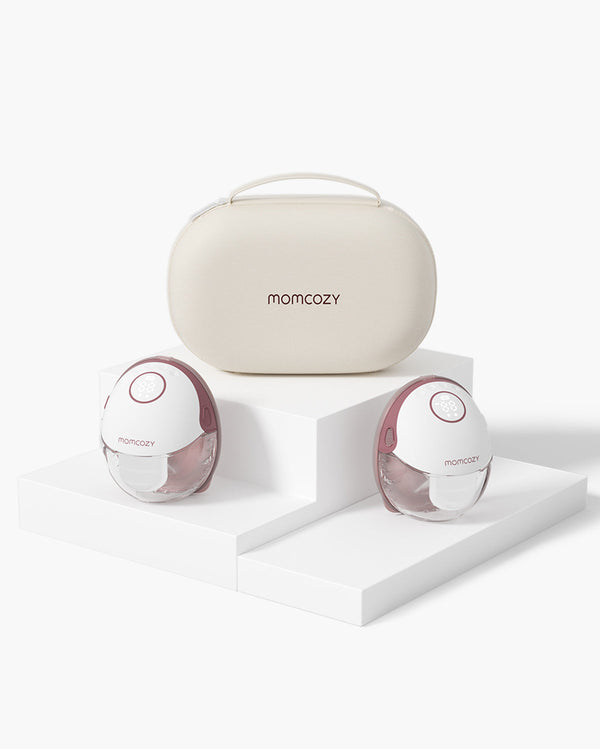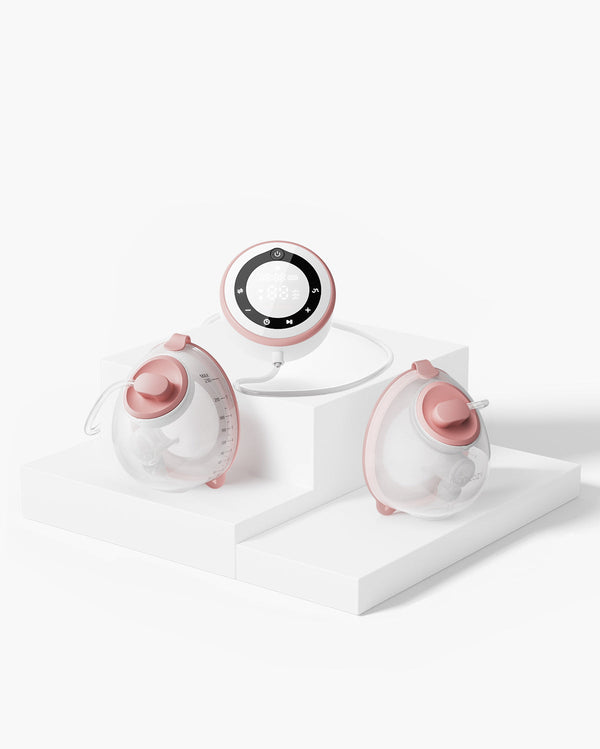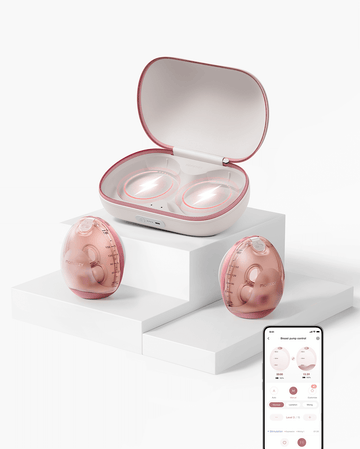
Picture the 20-week scan photos still on your phone, and a baby list that already wants a pump in the basket. You are not late. You are also not behind if you wait.
There is no single right week to buy a breast pump in the UK. Research during pregnancy. Buy when you know why you need one. Plenty of parents wait until after birth, once feeding has a shape.
US blogs often say order at 28 weeks because insurance paperwork takes time. That clock does not apply here. NHS trusts do not hand every new mum a personal pump. UK shops can often deliver in a day or two.
Keep three dates separate: when you research, when you pay, and when you switch the machine on. They are not the same.
This is general information, not a feeding plan. If expressing is painful or your baby is not transferring milk, speak to your midwife, health visitor, GP or the National Breastfeeding Helpline on 0300 100 0212.
Key Takeaways
- Most UK parents do not need to buy a breast pump in early pregnancy.
- If feeding is going well, wait until it feels more settled before buying for regular expressing, unless you will be apart or have been advised to express.
- From about 36 to 37 weeks, some parents are shown how to collect colostrum by hand. NHS-aligned advice is to use hands, not a pump, during pregnancy.
- The NHS does not routinely provide a personal pump for healthy, term babies. Ask about local hire if you need a hospital-grade machine.
- Buy for how often and where you will express, not for the loudest model on social media.
Do You Need a Breast Pump, and When Do You Need to Buy One?
Buy a breast pump when expressing will be part of your plan, or when a midwife or infant-feeding team has asked you to express. Plenty of families feed only at the breast and never own one.
A pump becomes useful when:
- you are going back to work or study and want milk available while you are out
- a partner or grandparent will give occasional bottles
- latch is difficult and you have been advised to express
- your baby is premature or unwell and cannot feed at the breast yet
- your breasts feel painfully full and hand expressing is not enough
Needing to express is not the same as needing to buy today. Some neonatal units loan a machine. Local hire exists. Next-day retail is common. So "when do I need to buy a breast pump" is really "when is expressing going to be regular enough that owning one makes sense?"
If a quiet first session rattles you, read our note on how much milk to pump before you order a second model.
And if feeding is going well with no planned time apart? You can wait. Honestly, a lot of UK parents do.

When Is the Best Time to Buy a Breast Pump?
For most UK parents, the best time to buy a breast pump is late pregnancy or after breastfeeding has started to settle. Not in the first trimester. Not because an American checklist said week 28.
Think in three windows.
| Window | What to do | Typical timing |
|---|---|---|
| Research | Compare types, read NHS and NCT advice, ask your midwife about hire | Second trimester into early third |
| Buy | Pay once you know why you need one | Late pregnancy, or after birth |
| First use | Switch on when expressing is actually needed | Often weeks after purchase, sometimes the same day in neonatal care |
Buy close enough to need that your plan is clearer, but early enough that parts are washed. You don't want to be ordering at 3 a.m.
Why UK timing differs from those US posts: there is no routine insurance pump, retail delivery is fast, and some trusts or charities can loan or hire a hospital-grade unit when there is a clinical reason. Your breastfeeding essentials list can include "research a pump" without including "buy one this week".
When to Buy a Breast Pump During Pregnancy
You can buy a breast pump during pregnancy. You should not use it before birth.
First and second trimester: research only. Read types, prices and returns. Don't buy just to tick a list. Breast shape still changes, and so does your plan.
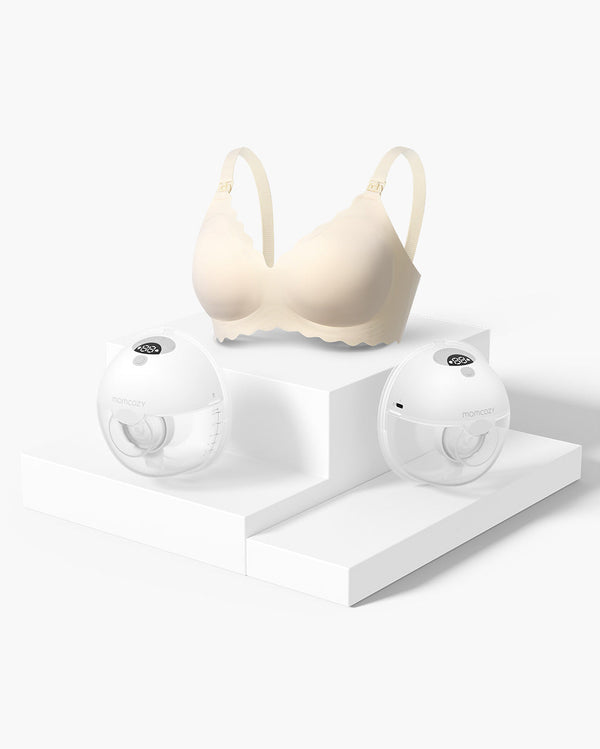
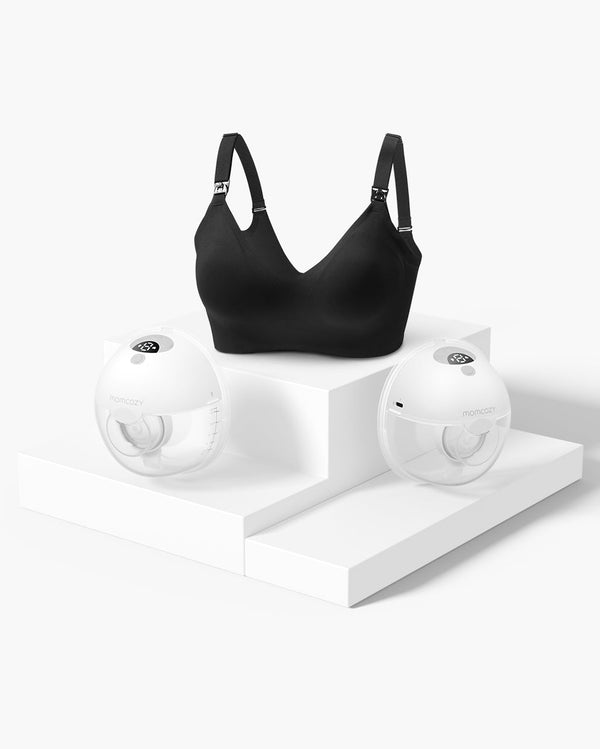
Third trimester: an optional purchase if you already know you will express. Booked return to work. Twins. You pumped last time and know the kit you want. A higher chance of neonatal care. In those cases, having a box in the cupboard can lower the 2 a.m. scramble. Some parents pick a practical wearable such as the M5 Smart so it is ready after birth, without waiting to learn every extra feature first.
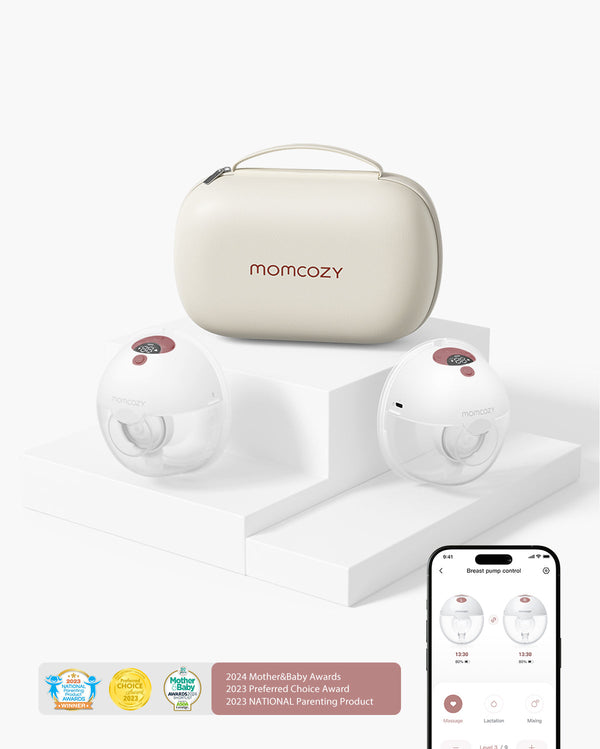
Member price
From£99.99Code Save 15%
From about 36 to 37 weeks, some midwives show parents how to collect colostrum. That is usually hand expression, after you have checked it is appropriate for you. Stop and get advice if you start getting contractions. A pump is the wrong tool for those tiny, sticky drops, and nipple stimulation in pregnancy is not something to improvise.
If you buy early, keep the box if returns matter. Wash milk-contact parts only when you are ready to use it.
If you are packing for hospital, our hospital bag breastfeeding essentials list is a better place for pads, bras and snacks than for a full electric pump. Most births do not need one in the bag.
When to Buy After Your Baby Arrives
If you do not need to express straight away, wait until you and your baby feel more confident with breastfeeding before regular expressing. That is the NHS line. Give it a couple of weeks, maybe three to six, then decide.
Buy sooner if:
- your baby is in neonatal care and you have been asked to express
- latch is not working and you have feeding support in place
- you are separated from your baby
- painful fullness is not settling with feeding or hand expression
Flange size is easier to get right after birth, because shape often changes in those first days. Waiting a short while can mean fewer painful, empty sessions.
In many neonatal stays, the unit's pump comes first. A personal machine is a later decision, once you know you will keep expressing at home. Next-day delivery from UK retailers is common. Waiting is not the same as being stuck.
Follow your midwife or infant-feeding team on when a bottle is appropriate. Forum rules about "no bottle before six weeks" are not a buying deadline.
Buy, Hire, or Wait? A UK Decision Guide
You can wait, hire or buy. You don't have to do all three in one week.
| Path | Who it suits | Watch-outs |
|---|---|---|
| Wait | Feeding is going well, no planned time apart, you still do not know if you will express | Have a plan for who to call if feeding suddenly becomes hard |
| Hire or borrow | Premature or unwell baby, short-term intensive expressing, establishing supply with clinical support | NHS loan varies by trust. Hire is often around £35 to £55 a month. Check locally. |
| Buy | You know you will express regularly: work, study, exclusive expressing, ongoing time apart | Match the type to your real week, not a hypothetical one |
The NHS supports breastfeeding. It does not routinely give every mum a personal pump. Provision is most common when a baby is in neonatal care. Ask your midwife or health visitor what your trust actually offers before you assume it is "free on the NHS".
Hire schemes run through some maternity units, NCT branches and the Association of Breastfeeding Mothers. That is a true hospital-grade, multi-user machine, not a personal wearable. If hire is not available and you still need a higher-output personal kit, see our higher-output personal pumps. Single-user. Not the same as a neonatal unit machine.
Second-hand: only a closed-system pump, with new parts that touch milk. Skip an open-system second-hand motor. Milk can reach the inside. NCT's expressing guide explains closed versus open systems.
Your mileage may vary by postcode. Two trusts twenty minutes apart can offer completely different loan kits. Annoying. Also normal.

What to Look For When Buying a Breast Pump
The things to consider when buying a breast pump are how often you will express, where you will do it, and how easy the kit is to live with. Not which brand is trending this month.
- How often. Occasional evening out: a manual pump or a silicone collector may be enough. Daily sessions: electric. Exclusive expressing: efficiency and comfort matter more than a slim profile.
- Where. Home and a plug socket is a different life from a shared office, the Tube, or a night feed in a small flat.
-
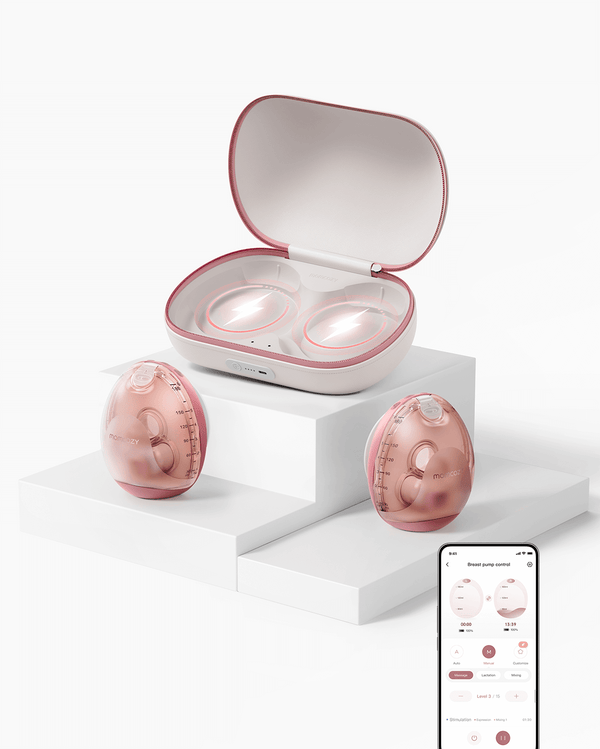
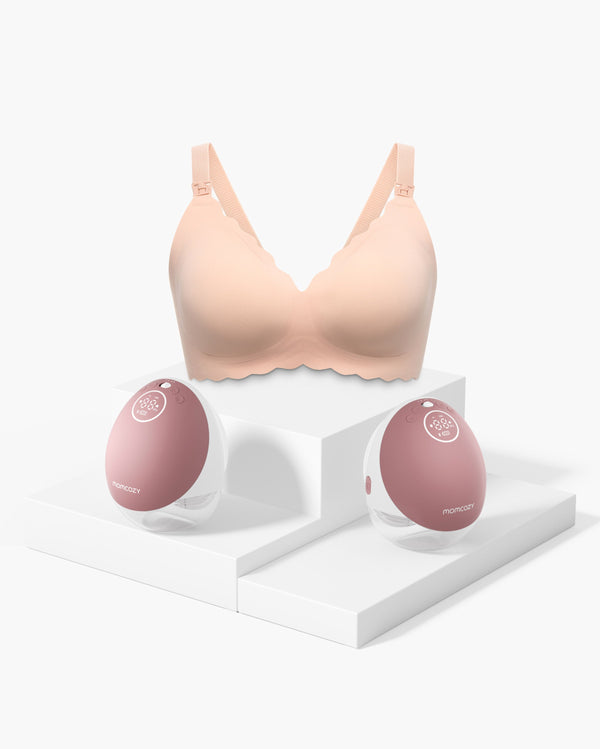
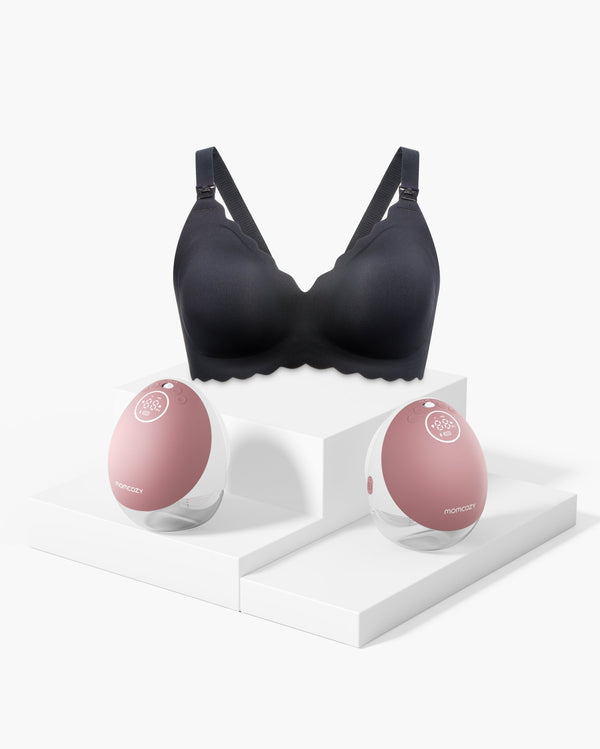
Portability, noise, hands-free. Desk pumping needs quiet and an in-bra fit. A slim wearable such as the Air 1 is one option when you cannot leave a meeting. Pair it with a hands-free pumping bra. The Equality Act 2010 expects a suitable private space. It does not give a specific right to paid expressing breaks.
- Budget and spare parts. Count replacement valves, diaphragms and flanges, not just the box price. Our UK price guide helps set a realistic range.
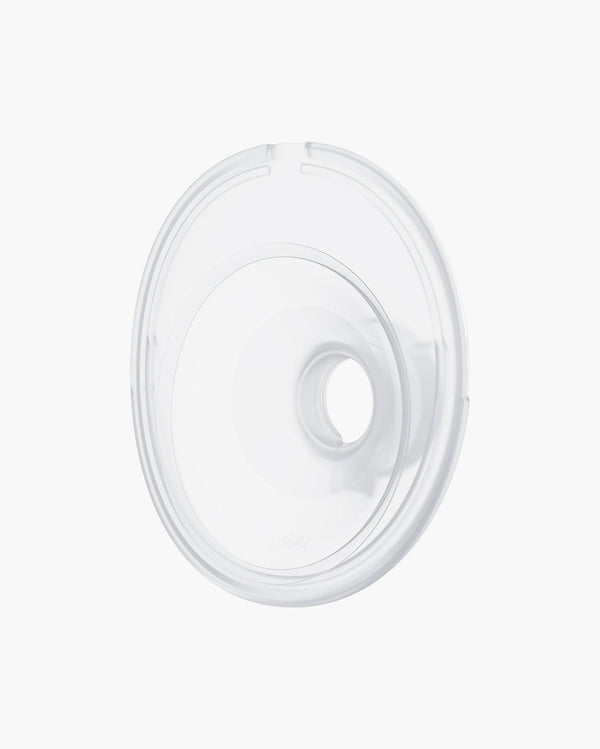
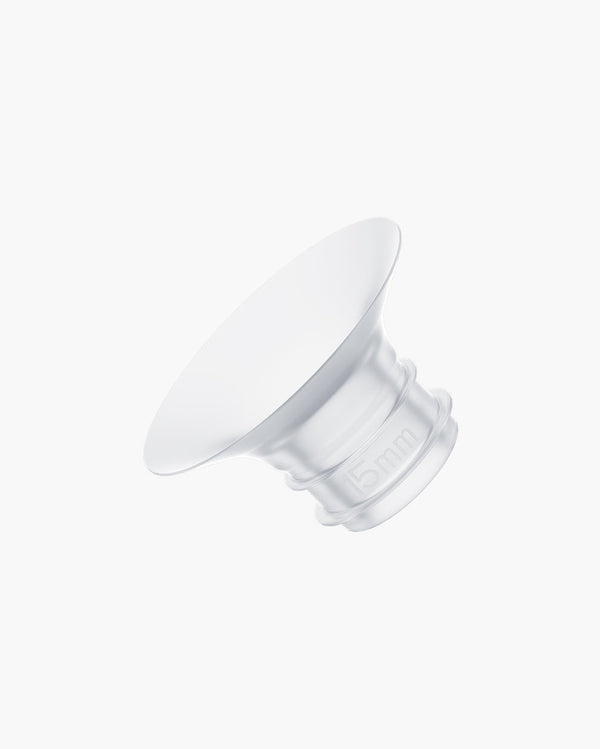
- Flange sizes. Standard 24 mm does not fit everyone. Check which sizes come in the box and whether extras are easy to buy in the UK.
- Closed versus open system. A closed system has a barrier so milk does not reach the motor. That matters for hygiene and for any later sibling who might inherit the motor, not the personal parts.
- Cleaning load. Fewer milk-contact parts usually means you will actually wash it after a 6 a.m. session. More fiddly pieces look clever in a photo and feel grim in the sink.
For models, brands and flange measuring, use our full UK selection guide. This page is the timing and checklist layer. That one is the deep compare.
Match the Pump Type to When You Will Use It
Buy the type that matches when and how often you will actually pump. Not the type you might use one day if life goes a certain way.
- Manual or silicone collector. Occasional relief, or catching a let-down while baby feeds on the other side. Lower cost to try, slower for daily work. Fine as a "just in case" buy after birth.
- Single or double electric. Regular sessions at home. Faster than hand pumping for most people. You still sit with it. Have a look at our electric pump range if home is where the sessions will live.
-
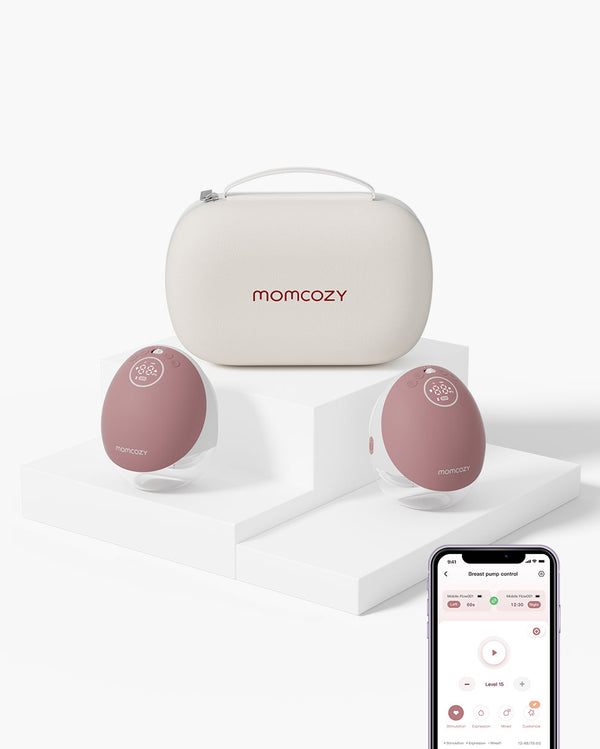
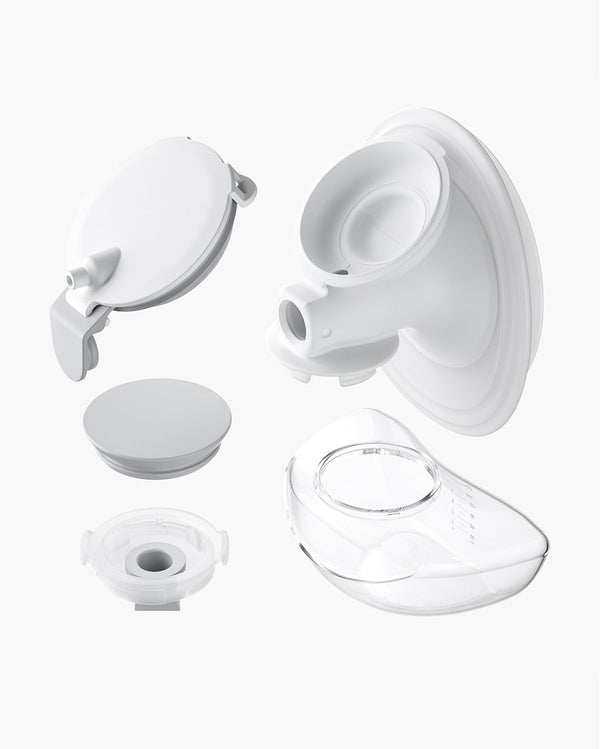
Wearable / hands-free. Work, nursery drop-off, moving around the house. If overnight noise or a shared office is the point, the Mobile Flow M9 is the quieter wearable in our line (about 42 dB or under). It won't make pumping silent. Nothing does. For a wider browse, start with wearable breast pumps.
- Hospital-grade hire. Intensive early expressing, usually with clinical support. Not the default first buy for a healthy term baby at home.
If work is why you are shopping, read our working-mums pump guide next. Timing first. Type second.
A wearable will not empty you as predictably as a hired hospital pump in those raw early days. If a clinician has asked you to express eight times in 24 hours for a baby who cannot latch, hire first. Shop later.
When to Use Your Breast Pump for the First Time
Buying and switching on are different dates. UK maternity leave is often months, not twelve weeks. Buying before birth so you can pump from day one is the wrong default after a straightforward term birth.
If your baby is in neonatal care, follow the unit. Many teams start with hand expression in the first hours, then a pump they can provide or help you hire. NHS guidance on expressing is the baseline. Your unit's protocol wins if it differs.
If breastfeeding is going well, wait until you feel ready before adding regular pumping. Extra sessions on top of a newborn who already feeds 8 to 12 times a day can leave you sore and chasing an oversupply you did not want.
If you are going back to work, practise two to three weeks before your first day, not on the morning you leave. Pair that with working-mum expressing essentials so bags, a cooler and a bra are not a Tesco run.
When you do switch on for the first time:
- Wash your hands, then wash and sterilise the parts that touch milk, following the leaflet in the box.
- Assemble on the lowest suction setting. Centre your nipple in the flange tunnel.
- Start with a short session, roughly 10 to 15 minutes, unless your feeding team has given different timings.
- Stop if it hurts. Pain is a fit, setting or technique problem, not something to push through.
- Label and store milk using current NHS storage times, or follow hospital rules if you are still an inpatient.
We do not promise a pump will raise supply on its own. Milk removal can support supply. It is not a treatment, and it is not a substitute for skilled feeding support.
FAQ: Quick Answers to Common Questions
When is the best time to buy a breast pump?
Late pregnancy or after feeding has started to settle, once you know why you need one. Research can start earlier. Buy close to real need, not close to week 28.
Should I buy a breast pump before my baby is born?
Only if you already have a clear reason, such as a planned return to work. Plenty of parents wait. UK delivery is usually fast enough that an empty cupboard at 36 weeks is not a crisis.
When should I buy a breast pump during pregnancy?
If you buy before birth, the third trimester is enough. Earlier months are for reading. Keep the kit for after birth. Antenatal colostrum is a hand-expressing skill.
Can I use a breast pump while I am pregnant?
No. Collect colostrum by hand from around 36 to 37 weeks, and only after your midwife agrees. If contractions start, stop and call for advice.
Does the NHS give you a breast pump?
Not as standard for every healthy term baby. Some trusts loan or help you hire in neonatal care. Ask your midwife. Most parents who want a personal wearable still buy one.
When do I need to buy a breast pump if I am going back to work?
Once leave dates are clearer, not in week 12 "just in case". Practise two to three weeks before your first day back. Your employer should provide a private space. Paid expressing breaks are not a specific legal right.
Conclusion
The best time to buy a breast pump in the UK depends on why you need one, not on a US insurance week. Research while you are pregnant. Then wait, hire or buy.
If work or regular expressing is coming, a wearable from our wearable range plus a pumping bra is a practical pairing. Still choosing types? Use the selection guide. If feeding hurts or transfer looks poor, skip the shop. Call your midwife, health visitor or the National Breastfeeding Helpline.
For storage times, use the Breastfeeding Network and NHS pages. Do not invent fridge times at 1 a.m.