A lot of hospital bag guides tell you to pack birth plans, TENS machines, and tiny sleepsuits. There is focus on labour. They overlook one very important thing: feeding your newborn. It's not easy, especially if you are unprepared.
NHS midwives and maternity support workers will be there to support you. Still, it's up to you to bring personal comfort products. are down to you to supply. This article will tell you what these core items are. Packing these hospital bag breastfeeding UK essentials will give you quick access to everything you need to start breastfeeding comfortably.
Why Breastfeeding Needs Its Own Hospital Bag Section
Your stay on the postnatal ward will likely be short if you have an uncomplicated birth in the UK. You will be there for 24 and 48 hours only. As such, you want quick and easy access to everything you need right from your bedside locker.
NHS hospitals provide basic medical care, clean water, and emergency maternity pads. That's great. You can opt not to include these in your hospital bag. What they will not provide are specialised personal comfort items. Things like nipple balms, nursing pillows, or privacy covers, you should bring on your own.
But why should you include breastfeeding items? Newborns spend a lot of time practising their latch. This may cause you discomfort. On top of that, your body will also begin producing colostrum. This is the thick, nutrient-rich first milk that comes before your main milk supply comes in around day three. Since colostrum has all the nutrients your baby needs, you'd want to save it.
That said, you would want to bring products like nipple cream and colostrum collectors. It's wise to put these in one section of your hospital bag so that you can find them easily when you need them. For more breastfeeding preparation tips, see our guide to breastfeeding essentials for new mums.
Essential Breastfeeding Categories to Pack in Your UK Hospital Bag
Group your feeding gear into these six primary categories to keep your bag organised without overpacking.
1. Nipple Care & Relief
Babies don't automatically learn how to latch properly. They have to practise it in the first 48 hours. Because of that, mums' breasts are likely to ache. It can turn your skin delicate and sensitive.
Having nipple care items ready right away helps you prepare for it. It can help prevent irritation from turning into pain.
What should you look for in a nipple balm? Start by looking for 100% food-grade, fragrance-free, and preservative-free formulas. Many of these do not need to be wiped off before feeding. That is ideal because wiping creates unnecessary friction on sensitive skin.
For a more convenient and hygienic application, the Momcozy ComfortNip Cream Pen offers a mess-free solution. Its touch-free design allows mums to apply nipple cream without using their fingers, making daily nipple care easier during the early breastfeeding journey.
Alternative
You can use Silver Nursing Cups instead of nipple cream if that's what you prefer. You can wear these inside your bra between feeds. The nipple cups prevent your bra fabric from rubbing against your sensitive breast skin. It helps prevent discomfort. Furthermore, silver has natural antimicrobial properties, which helps prevent infection.
999 Silver
Breathable
Comfortable
Ergonomic
2. Leak Protection & Thermal Therapy
A mum's true milk supply usually comes in after leaving the hospital. But that does not mean your body is not already hard at work during the first two days. That said, you may still experience small leaks or feeling sudden warmth in your breasts.
You can prevent leaks from soaking your clothes using soft, absorbent breast pads.
There are two types: disposable pads and reusable pads. You can throw disposable pads after using them. It offers convenience. Meanwhile, reusable pads like theMomcozy Reusable Pads 14- Pack are more eco-friendly. You can wash them when you get home. Also, they are ultra-soft against sensitive skin so they're more comfortable to use. On top of that, they hold up exceptionally well across multi-day stays in the hospital.
Thermal Pads
Heating and cooling can also help mums feel comfortable. That is why you should consider dual-purpose thermal pads, such as the Hot & Cold Pads.
- Apply gentle warmth to your breasts for a few minutes before you feed your baby. This encourages early colostrum to flow smoothly.
- After the feeding session, use the pads chilled for 10 to 15 minutes at a time. It helps safely calm swollen, tender tissue without risk of cold tissue damage.
3. Wire-Free Nursing Bras & Front-Opening Clothing
The clothes you wear in the hospital ward should be breathable. They should also provide easy access to your breasts. Front-open clothing is also good for skin-to-skin contact with your newborn. Midwives recommend it because it helps regulate baby's heart rate and keeps them warm. On top of that, skin-to-skin contact stimulates your body's natural feeding hormones.
Soft, front-opening nightdresses or pyjama sets made from lightweight cotton are your best options. Choose dark colours so they better hide milk spots and unexpected leaks.
You will want comfortable, non-constricting nursing bras underneath. Stay away from traditional underwire bras. The wires can put pressure on developing milk ducts.
Choose a smooth, flexible option like the YN21 Seamless Bra instead. It provides gentle support and features easy drop-down clips, which makes feeding easier.
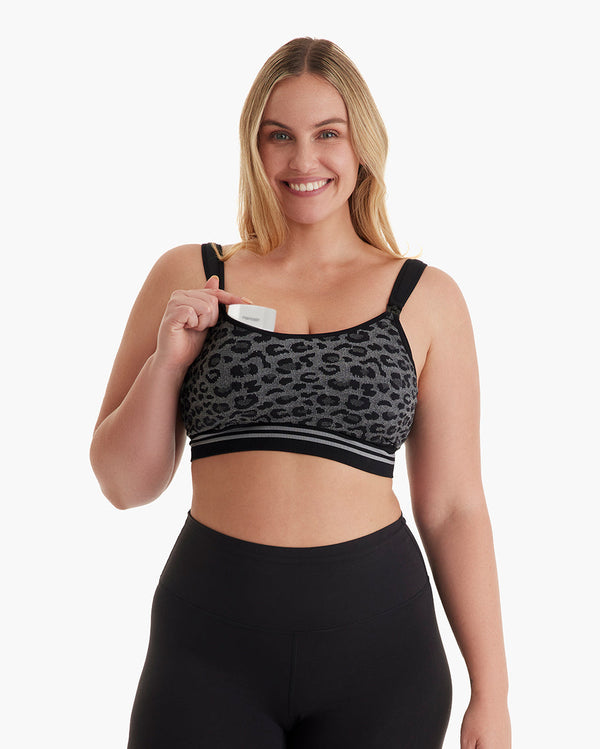
Suppose you plan to express colostrum by hand or with a pump under midwife guidance during your stay. A multi-functional bra like the DEX 4-in-1 Pumping Bra offers hands-free support so you can rest your arms.
Best Seller
Ultra Soft
Easy feeding
For all breast pumps
Hands-Free
Spongy strap
4. Ergonomic Feeding Support & Positioning Aids
You need to properly position your baby when feeding. Raising them to the right level helps them achieve a deep, comfortable latch. Mums can use pillows for this. The problem is that standard NHS pillows are usually flat and thin. That's not ideal. Using pillows like these usually leads to slumping, neck strain, and aching shoulders.
With that said, you should bring an ergonomic nursing pillow. A firm, contoured pillow like the MaxSupport Pillow NP007 or a plush Memory Foam Pillow are some of your finest choices. They support your baby's weight at the correct height. It takes the pressure off your arms, back, and neck. You can also explore more advice in our breastfeeding tips for new parents.
Tip: You can also fold a soft spare blanket or towel behind your lower back to give yourself extra lumbar support on the hospital bed mattress.
5. Shared Ward Privacy Covers
Unless you book a private room or have specific clinical needs, you will likely spend your postnatal stay in a shared 4-to-6 bed bay. These bays use pull-around curtains for privacy. That may not be enough. Mid-day visiting hours, doctor rounds, and midwife checks mean there is frequent foot traffic past your bed.
Learning to latch your baby for the first time while feeling exposed may make you feel self-conscious. A lightweight, 360-degree cover like the Nursing Cover Poncho helps you feel more comfortable. It allows you to feed your baby discreetly without feeling watched. Because it is breathable and loose, your baby gets plenty of airflow while you stay cool and covered.
6. Multi-Purpose Muslin Squares
Both NHS midwives and early development experts at BBC Tiny Happy People list muslins as an absolute essential.
Newborns frequently bring up small amounts of milk after feeding. Muslins act as burp cloths, milk spill wipers, shoulder drapes during skin-to-skin, and light blankets. You can't bring only one, though. It will get very dirty fast. Pack at least 3 to 4 large muslins, such as Muslin Swaddle Blankets. Doing so ensures you always have a clean one nearby when spills happen.
UK Special Focus: Colostrum Harvesting & Cool Bag Logistics
Your midwife or doctor may suggest antenatal colostrum harvesting, You will start collecting your first milk around 36 to 37 weeks of pregnancy if they do. If you have gestational diabetes, planned caesarean sections, or expecting twins, they are more likely to do so.
Important Clinical Safety Note: Antenatal expression releases small amounts of oxytocin, which can stimulate uterine contractions. Your midwife or obstetrician should provide explicit approval before starting. Also, antenatal harvesting is strictly contraindicated if you have a history of premature labour, cervical weakness, placenta praevia, or antepartum bleeding.
Collecting and Storing Your First Milk
Hand-expressing small drops of colostrum into sterile syringes or reusable collectors, such as the Momcozy Colostrum Reusable Breast Milk Collector, allows you to store this liquid gold in your home freezer before birth. Silicone collectors are soft, easy to hold, and comfortable to use during late pregnancy.
Transporting Colostrum to the NHS Ward
When your labour begins, follow these steps to bring your harvested colostrum to the hospital safely:
- Label clearly: Write your full name, date of birth, NHS number, and the date/time of expression on each container using hospital ID labels or a waterproof marker.
- Pack cold: Place frozen syringes or collectors into an insulated cool bag lined with frozen ice packs right before leaving home.
- Hand over immediately: As soon as you arrive at the NHS maternity triage or ward, inform your midwife that you have brought expressed breast milk (EBM).
- Ward Fridge Storage: Your midwife will place your labelled colostrum directly into the dedicated ward EBM fridge or freezer. They will retrieve it for you after birth if your baby needs an extra feeding boost.
Navigating the NHS Postnatal Ward: Midwives, Feeding Logs & Ward Realities
Understanding how an NHS postnatal ward operates helps you feel prepared and in control.
Getting Help from the Infant Feeding Team
Every NHS trust follows evidence-based guidelines to support new mothers. Many hospitals hold UNICEF Baby Friendly Initiative (BFI) accreditation. On the ward, you will work with midwives, Maternity Support Workers (MSWs), and infant feeding specialists. Never hesitate to press your call bell when it is time to feed—the staff are there to observe baby's latch and guide your positioning.
NHS Feeding Logs
You will be handed an NHS feeding and nappy chart to track your baby's progress during their first 24 hours. You will note down:
- The time and duration of each feed.
- Which side baby fed from.
- The number of wet and dirty nappies (looking for early dark meconium passage).
Staff review this log before signing off on your discharge home.
Practical Tips for NHS Ward Life
- Expect a warm environment: NHS postnatal wards are kept very warm to protect newborn body temperatures. Wear light, short-sleeved cotton nightwear and bring a handheld mini fan.
- Visiting hours & partner stays: Partner visiting policies vary by NHS trust. Many shared bays do not allow partners to stay overnight. Keep your feeding essentials in a small basket or pouch on your bedside table so everything is reachable from your bed.
- Hydration and snacks: Breastfeeding creates sudden, intense thirst and hunger. Pack a large water bottle with a straw (so you can drink while lying down) and high-protein snacks like flapjacks, nuts, and dried fruit for late-night feeds.
Quick Hospital Bag Checklist Summary
| Category |
Recommended Items |
Quantity to Pack |
| Nipple Care |
Natural nipple cream, cooling gel, or silver cups |
1 Balm / 1 Pair Silver Cups |
| Leak Protection |
Soft reusable or disposable breast pads |
6-8 Pairs |
| Clothing & Bras |
Wire-free nursing bras & front-opening pyjamas |
2-3 Bras / 2 Sets Pyjamas |
| Positioning Support |
Ergonomic memory foam nursing pillow |
1 Pillow |
| Shared Ward Privacy |
Lightweight 360-degree nursing poncho |
1 Cover |
| Muslin Squares |
Large multi-purpose muslin swaddle cloths |
3-4 Muslins |
| Colostrum Logistics |
Labelled collectors in insulated cool bag (if harvesting) |
As collected |
What NOT to Pack (and What to Have Ready at Home Instead)
Knowing what to leave out of your hospital bag is just as important as knowing what to put in.
Leave these at home:
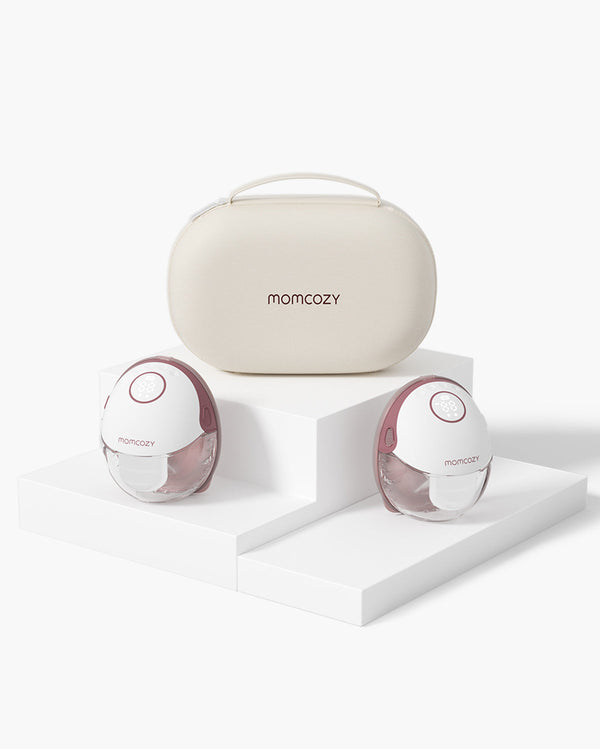
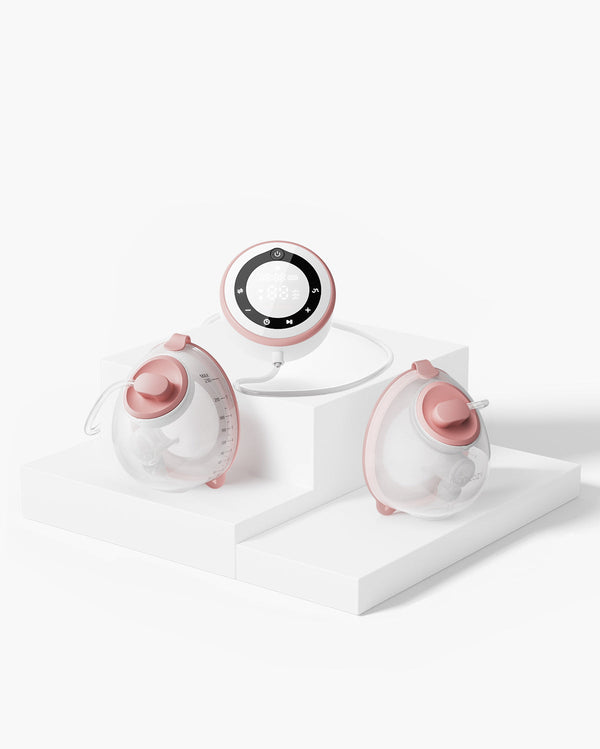
- Full electric breast pumps: In the first 48 hours, your baby only needs tiny amounts of colostrum (measured in drops and teaspoons, not ounces). Because colostrum is thick and highly viscous, using an electric pump causes these small drops to coat the inside of wide pump flanges and long tubing, trapping your precious milk before it can reach a bottle. Direct latching or hand expression into small, sterile collectors is far more efficient. If clinical pumping is required for medical reasons, NHS wards provide specialised hospital-grade pumps.
- Bottles, teats, and dummies: Unless medically advised, avoid introducing bottles or dummies in the very first days while your baby is learning to latch on the breast.
Your Home Station Preparation
Instead of carrying bulky equipment to the hospital, set up your home feeding station before you go into labour:
- Set up your primary wearable or double electric pump at home for when your full milk supply comes in around day 3 to 5. If you are preparing for pumping, our guide on breast pump problems and solutions.
- Prepare a dedicated washing and sterilising area in your kitchen. An all-in-one appliance like the KleanPal Pro Bottle Washer washes, sterilises, and dries pump parts and bottles automatically, saving you precious time when you return home from the hospital.
Bottle Washer
Steriliser & Dryer
Washes More Than Just Bottles
Early Engorgement & Let-Down Helpers
Around day two or three—often right as you are being discharged or settling back home—your body transitions from producing colostrum to mature milk. This transition can cause temporary vascular swelling known as engorgement, making your breasts feel heavy, tight, and warm.
The Warm/Cold NHS Cycle
To manage engorgement comfortably, NHS midwives recommend a simple temperature sequence:
- Warmth before feeding: Apply a warm compress or warm thermal pad to your breast for a few minutes before baby latches. Warmth encourages the milk ejection reflex (let-down) and helps milk flow easily.
- Cold after feeding: Apply a chilled pad or cool gel pack for 10 to 15 minutes after feeding to soothe inflammation and safely reduce swelling.
Using Gentle Massagers & ABM Guidelines
If you feel tender lumps or tightness as your milk comes in, a dual-action tool like the Warming & Vibrating Massager can be applied to the area.
Protocol Note: In accordance with Academy of Breastfeeding Medicine (ABM) protocols, avoid aggressive deep-tissue kneading, which can increase tissue edema and inflammation. Instead, pair gentle vibration and soft warmth with light, sweeping strokes directed towards your underarm lymph nodes (lymphatic drainage) to relieve congestion safely.
Frequently Asked Questions (PAA)
Q1: What breastfeeding essentials should I pack in my hospital bag UK?
A: Focus on six main categories: natural nipple balm or silver cups, leak-proof breast pads, 2-3 wire-free nursing bras, front-opening cotton nightwear, an ergonomic nursing pillow, 3-4 muslin squares, and a breathable privacy cover for shared bays.
Q2: Do NHS hospitals provide breast pads and nipple cream?
A: No. NHS hospitals provide essential medical care and emergency maternity pads, but personal comfort products such as breast pads, nipple creams, and nursing pillows must be brought in your own bag.
Q3: How do I bring harvested colostrum to an NHS hospital?
A: Pack labelled frozen colostrum syringes or silicone collectors inside an insulated cool bag with frozen ice packs. Hand them to your midwife as soon as you arrive so they can be stored safely in the ward EBM fridge.
Q4: Can I bring a breast pump to hospital in the UK?
A: For a standard stay, a breast pump is not necessary. In the first 24 to 48 hours, feeding directly or hand-expressing colostrum is usually sufficient. If clinical pumping is needed, the hospital will provide a commercial pump.
Q5: How many muslins should I pack for hospital?
A: Pack at least 3 to 4 large muslin squares. They are essential for wiping milk dribbles, burping baby, protecting your clothes, and draping over baby during skin-to-skin time.
Q6: What should I wear for breastfeeding on an NHS ward?
A: Choose short-sleeved, front-opening nightdresses or pyjamas made of dark, breathable cotton, paired with a soft wire-free nursing bra for quick drop-down access.
Conclusion
Packing your hospital bag for breastfeeding comes down to comfort, quick access, and preparation for NHS ward realities. By organising your gear into the six core categories—nipple care, leak protection, front-opening clothing, ergonomic pillows, privacy covers, and versatile muslins—you set yourself up for a calm, confident start. You may also find our guide on bringing baby home from hospital.
Keep your hospital bag streamlined, manage your colostrum transport carefully, leave bulky machinery at home for your return, and take full advantage of the guidance offered by your NHS midwife team during those special first feeds.