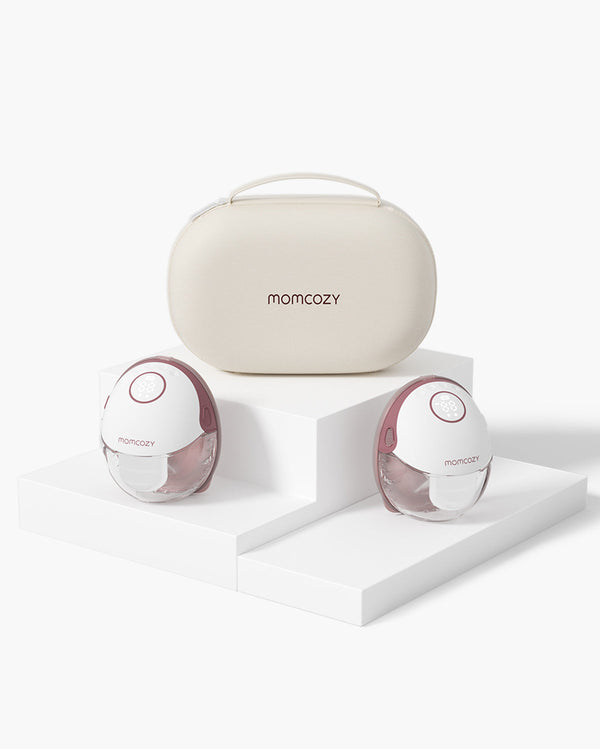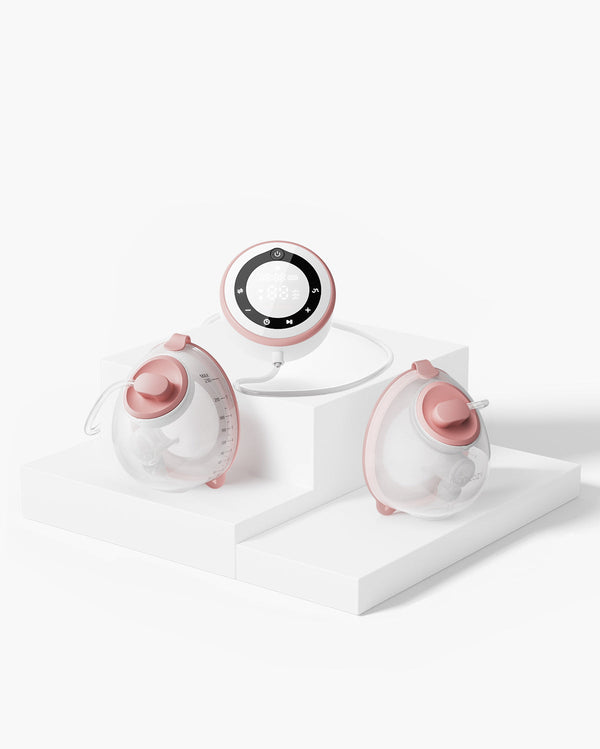
It is 6 a.m. The kettle has gone cold. There are 20 ml in the bottle and a health visitor’s voice in your head about “a bit more expressing”. You type best pump for low milk supply and every box promises hospital-grade power. None of them know whether the job is building supply, topping up after a feed, or grabbing milk on the school run.
There is no single best pump. Match the type to how often you need to empty, then use it well. This guide compares hire, electric, wearable and manual options used in the UK, and when a tiny pumped amount is not proof of low supply. If nappies, weight or a feed still worry you, talk to your midwife, health visitor or an IBCLC rather than buying a second motor. Weight, nappies and low milk supply signs and causes belong in that check, not a second Amazon order.
Key Takeaways
- The best pump for low milk supply is the one that empties you well, often enough: usually a hired multi-user pump or a strong double electric while you are building, not the slimmest wearable.
- A pump can help supply only by removing milk frequently and effectively. It does not create milk on its own.
- A small pumped volume is not proof of low supply. Check nappies, weight gain, and a feed with a midwife, health visitor or IBCLC.
- Wearable pumps suit established supply and a stubborn let-down more than the first weeks of building. Manual pumps are for occasional extra removal.
- Flange fit, double pumping, and one overnight session change yield more than buying another gadget.
What is the best pump for low milk supply?
The best pump for low milk supply is the one that matches how often you must empty, not the loudest “hospital-grade” sticker. If you are building or protecting supply, a hired multi-user pump or a strong personal double electric usually beats a slim in-bra cup. If you already have a workable plan and need hands-free sessions, a wearable can be the next pump. If you only want the odd extra bottle, a handle pump is enough.
Mums searching this phrase are often mixing two jobs: “make more milk” and “buy a nicer pump”. Those are not the same purchase.
| Job | Typical UK option | When it fits | When it does not |
|---|---|---|---|
| Build or protect supply | Hired multi-user / hospital hire pump | NICU, poor transfer, triple feeding, first weeks of frequent expressing | You only need one bottle a week |
| Daily boosting at home | Personal double electric | You need a double electric you can keep, and hire is done or not available | You mainly need to pump on the bus |
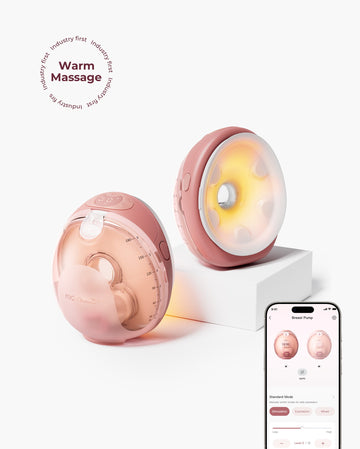
| Hands-free once supply is steadier | Momcozy Wellness 1 (warm-massage wearable) | Work or school-run sessions; cold flanges stall let-down | You are still trying to establish supply with a weak in-bra motor |
| Odd extra removal | Manual handle pump | Travel backup, one evening session, softening for latch | Eight to twelve empties a day |
What “best” is not: the quietest cup, the highest mmHg on the box, or the cheapest bestseller. Emptying you, often enough, is the test.

Can a breast pump increase milk supply?
Yes, but only as extra, effective milk removal, not as a magic motor. Supply follows demand. If milk leaves the breast often and well, your body usually gets the message to make more. If it sits there, production tends to ease off.
A thin 20 ml after a session is not, on its own, a diagnosis. Let-down can be slow when you are tired, cold, or staring at the bottle. Timing matters. Flange fit matters. Many mums pump less than a baby takes at the breast and still have a fine supply. A typical session amount is a different question from how much milk to pump in a full empty.
True low supply is about baby: wet and dirty nappies, weight gain, and how a feed looks to someone trained to watch one. A pump cannot tell you if glandular tissue, hormones, or a baby who is not transferring is the real issue. Those need a midwife, health visitor or IBCLC, not a stronger vacuum.
How to choose: hire, electric, wearable, or manual
Choose by frequency and emptying, not by the word hospital-grade on a consumer box. If you need many sessions a day while supply is still getting going, start with a multi-user hire. If you need daily boosting at home once the plan is clear, buy a personal double electric. If supply is steadier and you need hands-free time, look at a wearable. If you only need the odd extra bottle, a handle pump will do.
In the UK, ask the infant feeding team or a Children’s Centre what they actually loan. Some areas lend a personal-use double pump, not a multi-user hire. That is still useful. It is not the same machine hospitals use for initiation. Paid hire of a multi-user pump is the usual next step when a shop pump is not emptying you. NHS advice on expressing breast milk is a calm baseline for why expressing is offered at all.
The next three sections are how to choose each type, not a brand roundup. If you still need wearable versus electric versus manual in the round, the breast pump selection guide is built for that wider fork, not for this low-supply filter.
Best electric breast pump for low milk supply
For frequent supply work, a double electric beats a single. Hire a multi-user pump while you are building or protecting supply. Buy a personal double electric when you need a keeper at home and the plan is already clear.
What to look for:
- Double pumping, so both sides empty in one sit-down
- A motor that actually empties you, not just a high mmHg on the box
- Initiation or maintain programmes on a hire unit if you are in the first weeks or baby is not transferring well
- A closed system, and spare parts you can buy in the UK
- Enough suction levels to stay comfortable; pain blocks let-down
- A rechargeable battery if you will move rooms; mains-only is fine if you always sit in one spot
Do
- Ask the infant feeding team what they loan, and check it is a double kit with two collection sets
- Hire first if nappies, weight or a watched feed are the worry
- Keep a personal double electric after hire if you still need daily boosting at home
Don’t
- Treat “hospital-grade” on a consumer box as the same as a multi-user hire
- Pick a single electric as your eight-to-twelve-a-day workhorse
- Turn suction to maximum and call it a supply strategy
A single electric is slower for this job. Fine if you only pump once a day. Ordinary expressing, once the emergency has passed, is what the electric breast pump guide ranks; this page stays on the low-supply job.

Best wearable breast pump for low milk supply
A wearable is rarely the first pump while you are still building supply. Smaller in-bra motors and fewer flange sizes can under-empty. If output is already poor, hire or a personal double electric is the more honest next step.
What to look for once supply is steadier and the job is hands-free:
- A cup that actually empties you in a realistic session, not only a slim profile
- More than one flange size in the box, or inserts you can buy in the UK
- Warmth or massage if cold silicone stalls let-down on UK mornings
- A battery that lasts a work break without hunting a socket
- A bra that holds the cup still so you can compress
Do
- Use a wearable for work, the school run, or a short session when you already have a building plan
- Lengthen the sit-down and add hands-on compressions if this is the only pump you have this week
- Ask about hire if the bottle stays thin for days
Don’t
- Swap a multi-user hire for the quietest in-bra cup while you are still establishing supply
- Keep buying slimmer cups hoping one of them will invent milk
- Use heat or massage on a hot, red, flu-like breast. That is a clinical check, not a shopping one. Follow NHS advice on breast pain and speak to your GP, midwife or health visitor.
Where a warm-massage wearable earns its place
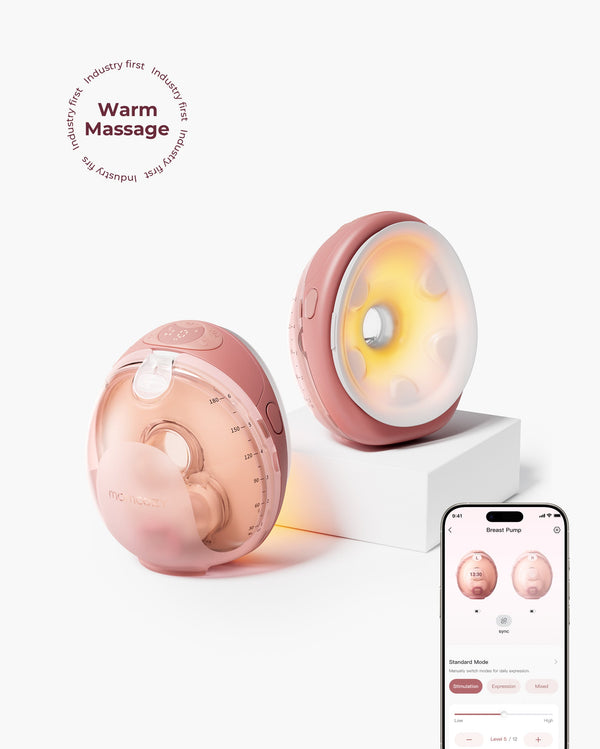
If the bottleneck is a cold start, not a missing motor, warmth and massage can change the session you already need. Momcozy Wellness 1 is our warm-massage wearable: wraparound warmth at 37°C, 39°C or 41°C, plus five-zone rhythmic massage timed with suction, so you are not juggling a kettle, a flannel and a separate massager at 6 a.m.
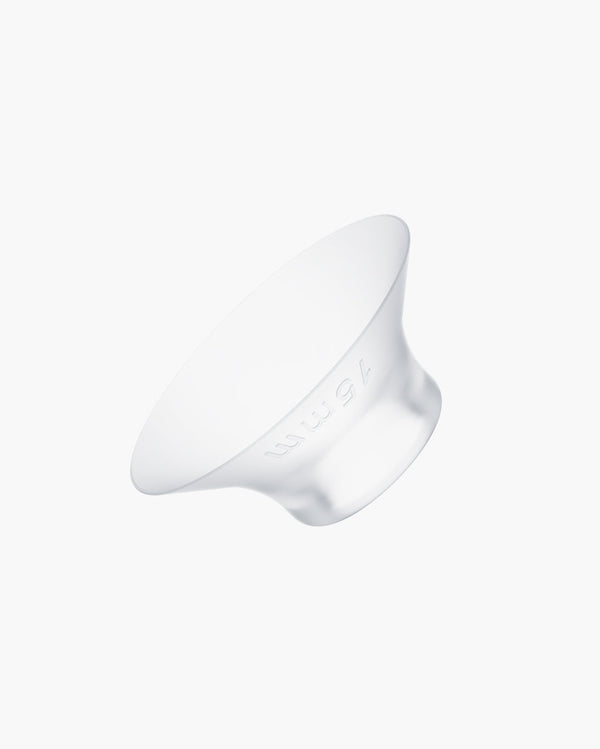
If cold flanges stall let-down and you already have a building plan, those features sit in the session you already need. Soft, baby-like suction (SoftPulse) is there so you are less tempted to crank the vacuum. Milk Boost mode, if you use it, is a set stimulation-to-expression rhythm. It is not a promise that supply will climb. DoubleFit inserts (17 / 19 / 21 mm plus a 24 mm shield) give you a chance to match nipple diameter rather than living with the default tunnel.
Hands-free cups also free both hands for compressions, or for a baby who will not wait. Fair limits: Wellness 1 is heavier than our slimmest wearables, warm-massage mode uses the battery faster (roughly six sessions versus about ten in standard pumping), and it will not replace a multi-user hire while you are still building. Hands-free shortlists for ordinary busy days sit in best wearable breast pumps for busy mums.
Best manual pump for low milk supply
A manual pump is rarely the best pump for low milk supply if you need frequent emptying. It is a handle you squeeze. Fine for one extra evening session, a travel backup, or softening the areola so baby can latch. Not fine as your eight-to-twelve-a-day workhorse.
What to look for:
- A handle you can use one-handed without wrist pain after a few minutes
- A flange size that matches your nipple, or inserts you can swap
- Quiet enough for a sofa session while someone else feeds
- A spare valve you can replace in the UK
A silicone collector is not the same job. It catches drip or opposite-breast spray. Frequent suction from a collector can create its own fullness problems. It does not replace a pump when you are trying to empty.
Do
- Keep a handle pump as backup or for one extra removal
- Use it to soften for latch, then feed
- Hire or use a double electric if you need many empties a day and budget is the only reason you are staring at a cheap handle
Don’t
- Power-pump for an hour on a handle and call it a building plan
- Treat a silicone collector as a supply-building pump
- Skip clinical help because a manual was cheaper than hire
Combo feeding under clinical guidance is also a valid plan. You do not have to win a pump ranking.
How to get more milk from the pump you already have
Before you buy another motor, change how you use this one. Frequency, fit and let-down move the needle more than a new SKU.
- Frequency first. While you are building, aim for eight to twelve milk removals in 24 hours, including one overnight. A pumping schedule is a pattern, not a punishment chart.
- Double pump, then compress. Massage, pump both sides, compress with fingers and thumb until the flow slows, massage again, finish by hand. A hands-free pumping bra keeps the flanges put so both hands can work.
- Power pumping is a technique, not a special motor. One hour that mimics cluster feeding: pump, pause, pump. Use it on the pump you already have. Hour-by-hour slots are in the power pumping schedule.
- Measure the nipple, not the areola. Most kits ship a 24 mm shield. Many mums need smaller. A paper card or ruler is enough to take the diameter. Confirm fit while you pump: the nipple should move freely without the areola being dragged down the tunnel. Swelling or a white ring after a session means the size is wrong.
- Start in stimulation mode. Fast and light until flow starts, then expression. Warmth and a baby cue help more than cranking suction. If the pump seems “broken”, check valves and fit in the pump not working walkthrough before you assume supply has vanished.
- Keep one overnight removal while you are building. Prolactin is often higher then. Make it a short, boring session, not a heroic project.
If you exclusively express, you usually need that frequent emptying for longer than a mum whose baby transfers well at the breast. An exclusive pumping rhythm is a different page; this one stays on which pump to hire or buy.
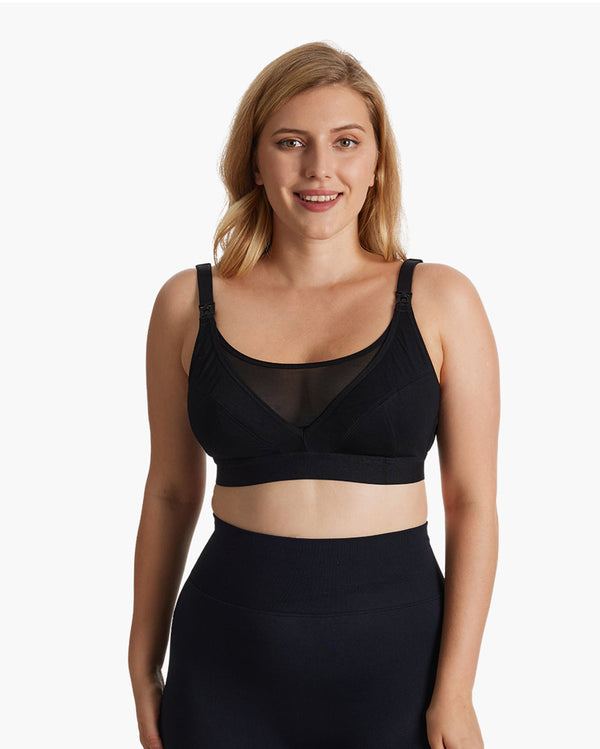
Kit, if you want names after the method: a Cool Breeze pumping and nursing bra holds cups for compressions, and a nipple ruler is one card for diameter. Neither treats swelling, and neither replaces hire.
Member price
£29.99Code Save 20%
FAQ: Quick Answers to Common Questions
What is the best breast pump for low milk supply?
The one that empties you well, often enough. For building or protecting supply that is usually a hired multi-user pump or a personal double electric you can keep. A wearable comes later, when the job is hands-free. A handle pump is for the odd extra session.
Can a breast pump increase milk supply?
Only by removing milk frequently and effectively. It does not invent milk. If baby’s nappies or weight still worry you, get a feed watched rather than buying a stronger motor.
Is a wearable breast pump good if I have low supply?
Usually not as the first pump while you are still building. In-bra motors can under-empty. Wellness 1 can help a cold, slow start once you already need hands-free sessions. It is not a hire replacement.
Do I need a hospital-grade pump?
If you mean a true multi-user hire, yes, that is often the right first tool when transfer is poor or you have been asked to empty many times a day. A “hospital-grade” sticker on a wearable is marketing. Ask what your Trust actually loans.
Is a manual pump enough for low milk supply?
Not if you need eight to twelve empties a day. A handle pump is useful for one evening session or travel. It will tire you as a building plan. Hire for two weeks usually does more than a cheap handle.
How often should I pump to increase supply?
While you are building, milk removal eight to twelve times in 24 hours is the usual target, including one overnight. Double pumping and a decent flange matter as much as the clock. Stop copying internet alarms if they wreck sleep without a clinical reason.
When should I start using a breast pump?
If baby is not feeding well or you have been told to protect supply, start regular expressing as soon as you have a plan from a midwife or infant feeding team. If breastfeeding is going well and you only want a bottle for someone else, many specialists suggest waiting until feeding is more settled, often around three weeks. Local advice wins.
Conclusion
Match the pump to the job. Hire a multi-user pump or keep a personal double electric while you are building. Use Wellness 1 when the job is warmth, massage and hands-free time, not as a substitute for frequent emptying. Keep a handle pump for the odd extra session.
If output, nappies or weight still sit wrong, go back to the signs, then to a person: midwife, health visitor, IBCLC or the National Breastfeeding Helpline on 0300 100 0212. Combo feeding can be a kind outcome. A new box of plastic is optional.