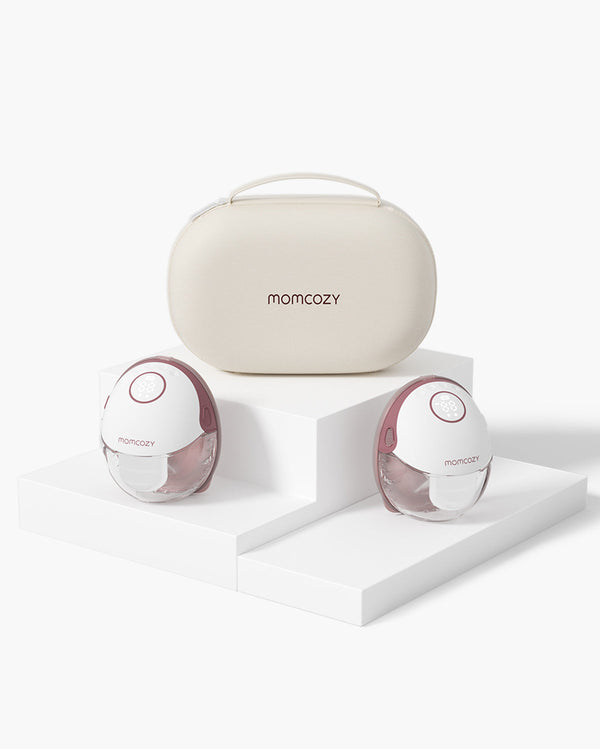
You have one uninterrupted hour and a timer: twenty minutes on, ten off, then on again. That block is power pumping — the pump version of cluster feeding, not a second marathon stacked on top while baby is still clustered at the breast. If baby is already clustering and transferring well, that is often the first-line version. The timed hour is a short extra some mums add between feeds, or after a usual breastfeed, when a midwife or breastfeeding specialist agrees more pump stimulation would help. It is not a magic switch. Latch and regular milk removal still come first.
Key Takeaways
- Power pumping mimics cluster feeding: pump and rest in a one-hour block to signal your body to make more milk.
- The common NHS pattern is 20 minutes pump, 10 rest, 10 pump, 10 rest, 10 pump — once daily for 3 to 7 days.
- Many mums notice a change within a few days; others take longer, and some see little difference.
- Fix latch and feeding frequency before you rely on power pumping — it does not replace good milk removal at the breast.
- Ask a breastfeeding specialist if you are unsure whether power pumping is right for you.
What Is Power Pumping?
Power pumping is a milk-expression technique that copies cluster feeding — when a baby feeds frequently in short bursts, often during a growth spurt. Instead of a baby at the breast, you use a pump in timed on-and-off cycles within about one hour.
The idea is simple: more frequent stimulation in a compressed window tells your body demand has risen. Alder Hey Children's NHS Trust describes it as a short-term measure for mums already working on supply, not a substitute for fixing latch or feeding often enough.
Power pumping is one option mums try when they fear low milk supply, but NHS guidance still starts with on-demand feeding and a good latch before any hour-long pump marathon.

Does Power Pumping Work?
It can — for many mums, not all. Power pumping increases the number of pump stimulations in a day, which may raise prolactin and output over several days. It is not guaranteed, and it will not fix poor latch, skipped feeds, or a baby who is not transferring milk well.
University Hospitals Sussex NHS guidance suggests most parents see a change within a few days when they follow the standard pattern for 3 to 7 days in a row. Alder Hey notes results may take 2 to 3 days, and continuing for at least a week is reasonable if your clinician agrees.
What you collect in one power-pump hour is not the same as how much milk to pump across a full day — and neither equals what your baby transfers at the breast. A low volume during the hour does not always mean failure; keep going through the rest intervals if you were advised to try this.
When Should You Try Power Pumping?
Power pumping is a second-line tactic. A midwife, health visitor or breastfeeding specialist should check latch, feeding frequency, and your baby's weight and nappies before you add an intensive hour block.
Good candidates often include:
- A confirmed supply dip after illness, separation, or a schedule change
- Mums building a stash before returning to work
- Babies who feed at the breast but need extra stimulation between feeds
- Pump-only paths — if you are exclusive pumping, one evening power-pump hour can sit alongside your usual removals
Do not start during acute mastitis, severe nipple damage, or when your baby is not gaining weight until a clinician has reviewed the plan. Power pumping adds work; it should not replace urgent medical assessment.
Power Pumping Schedule: Step-by-Step
There is no single sacred timetable — NHS trusts offer flexible patterns — but the most cited power pumping schedule in UK leaflets is a one-hour block with five phases.
Standard NHS one-hour pattern
| Phase | Duration | Pump or rest |
|---|---|---|
| 1 | 20 minutes | Pump (both breasts if double pumping) |
| 2 | 10 minutes | Rest — pump off, gentle massage optional |
| 3 | 10 minutes | Pump |
| 4 | 10 minutes | Rest |
| 5 | 10 minutes | Pump |
That is three pump sessions inside one hour — the pattern Alder Hey, Sussex NHS and St George's neonatal leaflets describe for power pumping breast milk supply.
30-minute compressed schedule
If an hour is impossible, a shorter 30-minute block can still add stimulations: pump 10 minutes, rest 5, pump 5, rest 5, pump 5. You get less total removal time, but the on-off rhythm remains.
Single pump vs double pump
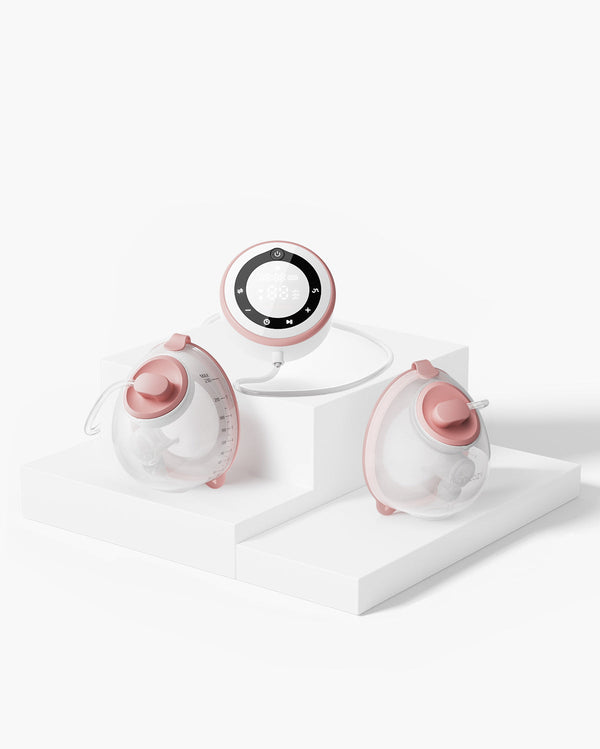
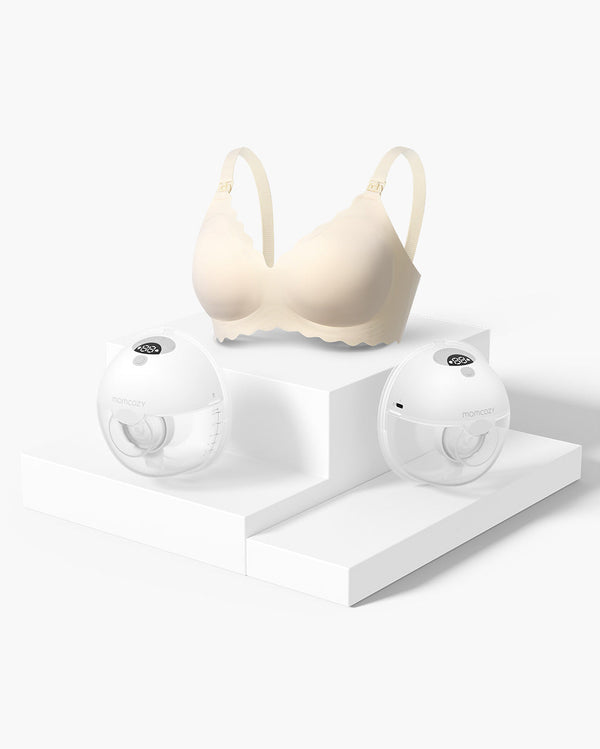
Double pumping empties faster and stimulates both sides. A hands-free pumping bra holds both flanges so you can drink, hold the baby, or simply get through the long first phase without gripping the cups.
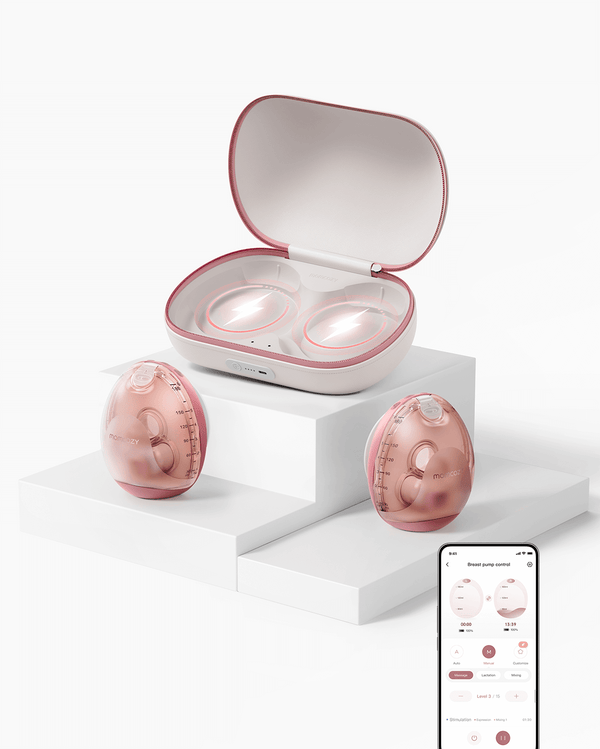
With one pump, alternate breasts: NEC UK guidance suggests 10 minutes left, 10 minutes right, rest 5, then repeat — still three stimulations, different timing.
How Long and How Often Should You Power Pump?
Most NHS leaflets recommend once daily for 3 to 7 consecutive days. Some breastfeeding specialists suggest twice daily for short periods if supply is significantly low — that is an individual plan, not a default.
Power pumping is an extra hour block on top of your normal pumping schedule, not a replacement for the eight to twelve daily removals many mums need when a baby is not feeding effectively at the breast.
Does one power-pump hour count as one session or three? Clinically it is three pump stimulations in one sitting — but for your sanity, treat it as one planned block in the diary, not three separate calendar entries.
Can you power pump twice a day? Some mums do, briefly, under supervision. Can you power pump every day long term? No — this is a short burst, not a permanent lifestyle. Stop once supply stabilises or your specialist advises.
Best Time of Day to Power Pump
The best time to power pump is whenever you have an uninterrupted hour and will actually do it. Consistency beats perfection.
Many mums prefer morning — prolactin tends to be higher — or after an evening breastfeed when the baby is settled. If you are also nursing, pumping immediately after a feed means you are stimulating empty-ish breasts, which some specialists recommend for power pumping to increase milk supply.
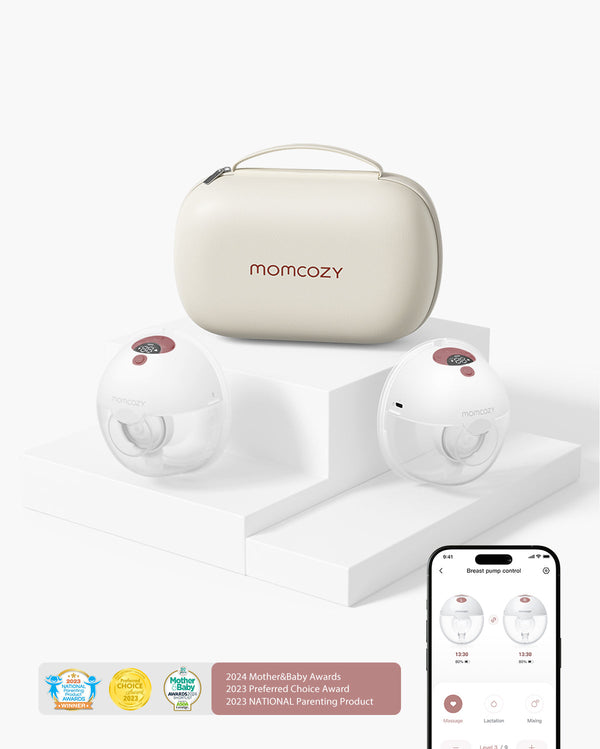
Fitting the hour around naps is fine. If you only have twenty-minute windows, a wearable can cover a short top-up between longer phases — though most NHS hour protocols assume a double electric pump for the full block.
Member price
From£99.99Code Save 15%

Power Pumping Tips: Making the Hour Easier
We hear from mums that the hardest part is the hour of stillness — not the suction setting. These practical tips help the time pass and the milk flow.
- Double electric where possible. A double kit saves time versus single-side pumping.
- Hands-free setup. A pumping bra frees your hands for water, a snack, or scrolling photos of your baby — oxytocin helps let-down.
- Skin-to-skin before you start. Five minutes of contact can trigger the same hormones as a feed.
- Massage during rest intervals. Warmth and gentle circular massage toward the nipple may help the next let-down. A warm flannel and your hands are enough for this step.
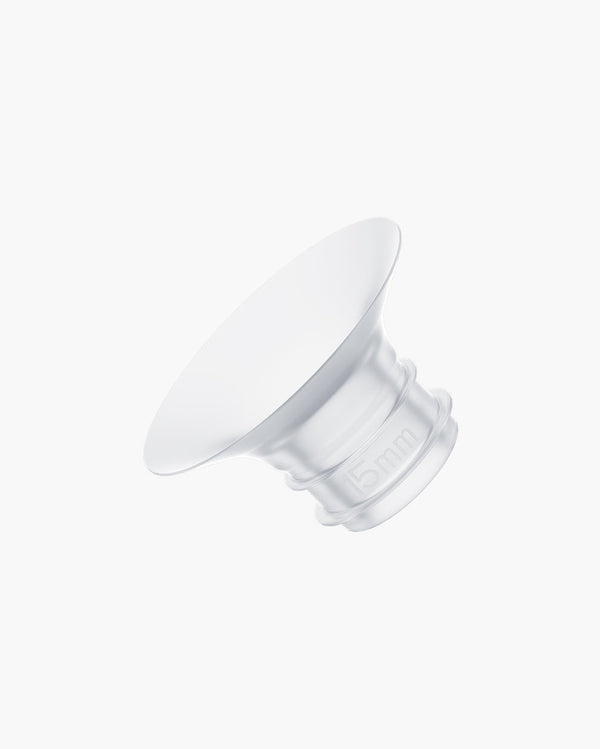
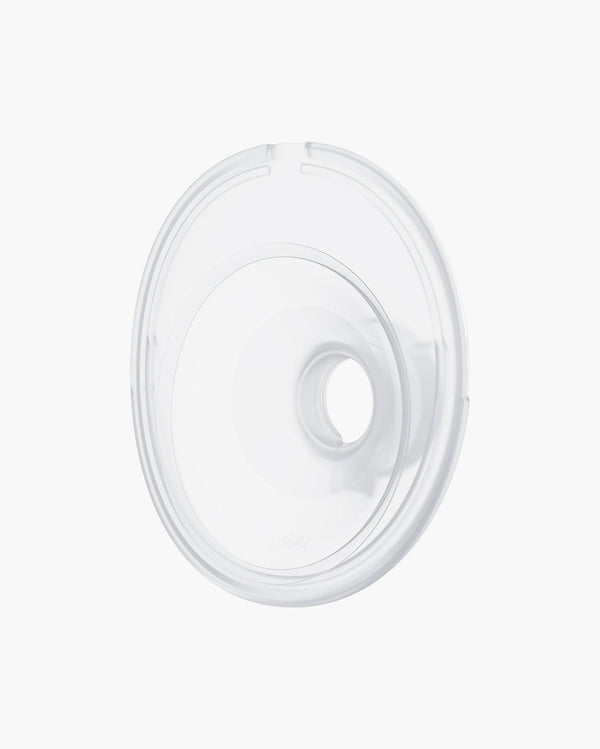
- Flange fit and comfort. Even the best power pumping schedule fails if flange fit is wrong. Pain means stop and resize.
- Hygiene between phases. If milk backed up into valves, quick cleaning breast pump parts before the next round keeps kit safe.
- Drink when you are thirsty. You need fluids to feel human; food alone will not replace milk removal.
If your trust has lent a hire pump, that multi-user machine often suits an intensive week better than a basic single kit. If you are still working out when to buy a breast pump, timing depends on whether you are building supply from scratch or adding power pumping to an established routine.
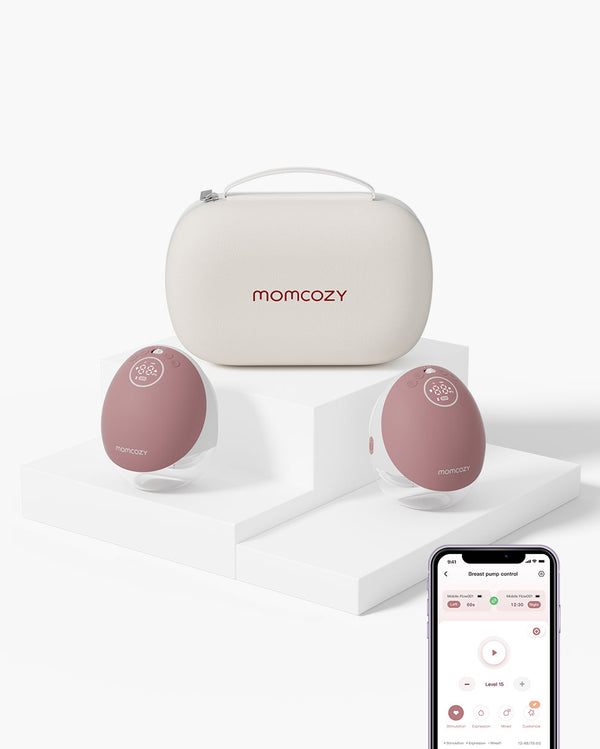
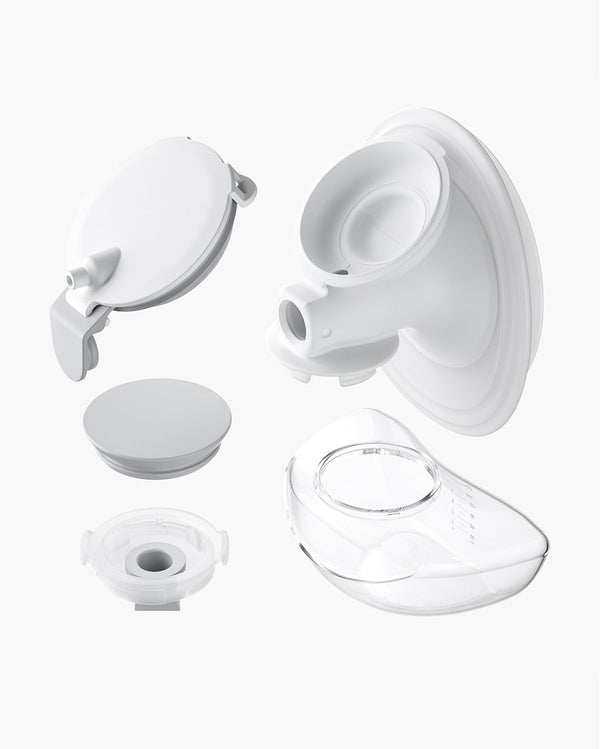

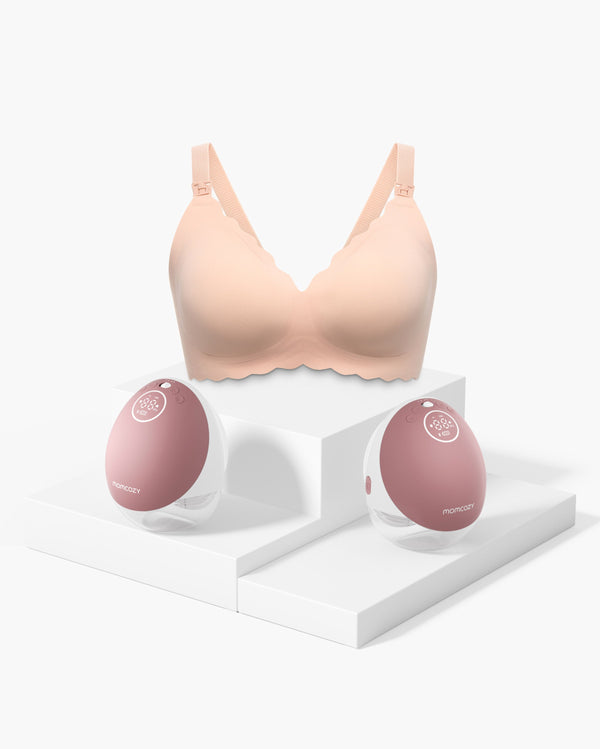
If the hour dies at the second start
Power pumping asks for three let-downs in one sitting. Most people can do the first twenty minutes. It is the ten-minute pump after the rest — when the bottle has already slowed — that gets abandoned. That second and third start is the extra stimulation the leaflet is counting. Drop them, and you have only done a normal session with a longer diary entry.
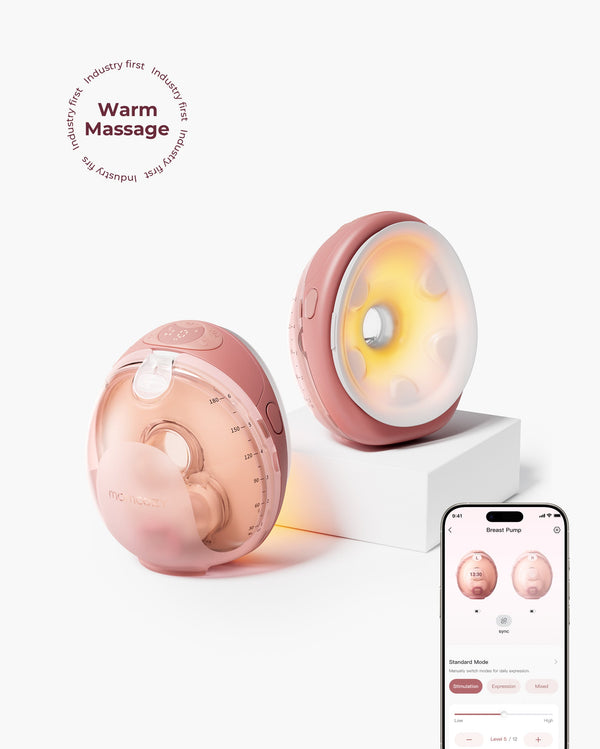
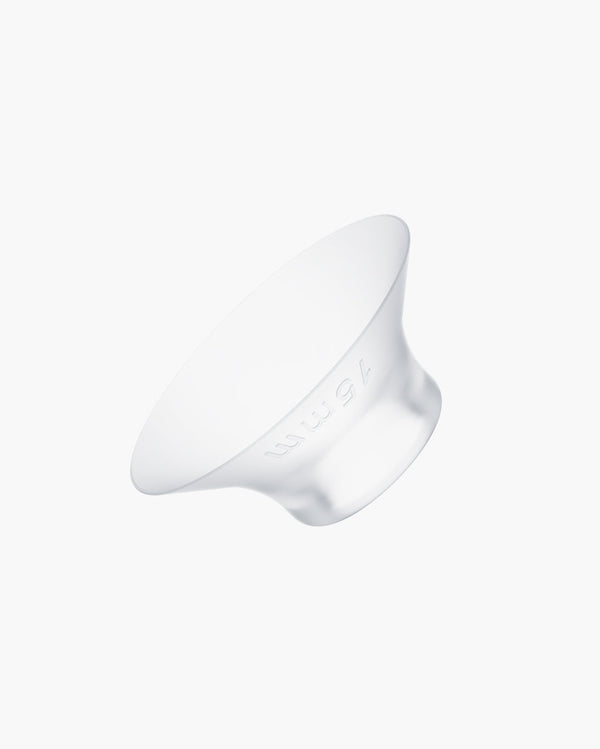
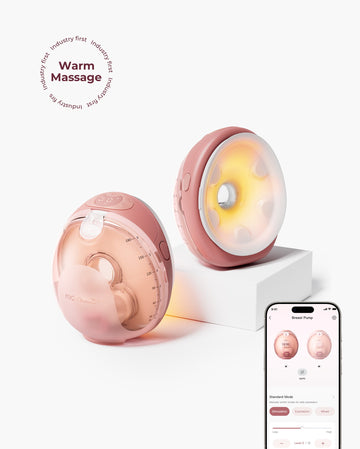
The Momcozy Wellness 1 keeps wraparound warmth and five-zone massage in the cup through the rest, so the restart is not a fresh sit-down on a still breast. SoftPulse is a gentler pulse for a twenty-minute first phase plus two more. Hands-free means you can watch the timer or drink without gripping cups for the whole hour. The benefit is getting to phase five on the days you already wrote in the week planner — not a bigger number in the first bottle.
- Warm-Massage Sync: 37°C, 39°C or 41°C, with massage timed to suction so the on–off hour is one rhythm, not three cold starts.
- Milk Boost, if you use it, is a set pattern for a block you already meant to do.
- About 10 pumping-only sessions per charge, or about 6 when warmth and massage stay on — enough for a 3-to-7-day burst if you are not running heat all day.
If a hire pump is already doing this week’s hour, keep it. Wellness 1 is for when the drop-off is the restart, not a reason to swap a multi-user machine mid-plan.
Note: This is shopping information, not medical advice. Power pumping and Wellness 1 do not treat low supply. A consumer wearable is not a hospital hire. Milk Boost is not a promise the freezer fills. Skip heat if the breast is hot and red, or you feel flu-like — that is a GP / midwife / NHS check.
Power Pumping vs Cluster Feeding vs Regular Pumping
| Method | What it mimics | Time commitment | Best for |
|---|---|---|---|
| Cluster feeding at breast | Baby-led frequent feeds | Spread over hours | Baby latches well; supply dip during growth spurts |
| Regular pumping | Scheduled milk removal | 15–20 min per session, several times daily | Maintaining supply, work separation, stash building |
| Power pumping | Cluster feed in one hour | ~60 min once daily, 3–7 days | Short-term supply boost when latch and schedule are already addressed; exclusive pumping mums adding stimulation |
Cluster pumping vs power pumping is really the same idea — frequent stimulation — but power pumping compresses it into one sitting for mums who express rather than nurse through the cluster.

Risks, Side Effects and When to Stop
Can power pumping cause mastitis or blocked milk ducts? Over-pumping, overly tight flanges, or skipping rest can contribute to engorgement and blocked ducts. Stop if you develop a painful lump, fever, flu-like aches, or a red wedge on the breast — same-day GP, midwife or NHS 111 advice, not another pump phase.
Can power pumping decrease milk supply? Unlikely if you are also feeding or pumping regularly elsewhere — but burnout and sore nipples may make you cut sessions short, which hurts supply indirectly. Can you power pump too much? Yes — this is a short tool, not a daily habit for months.
Before you add another power-pump day, rule out a pump not working properly — cracked valves and loose flanges are common culprits when output drops mid-week.
Note: Skip heat if the breast is hot and red, or you feel flu-like.
Power Pumping Week Planner
Copy this table into your notes app if a structured week helps you stay consistent.
| Day | Planned time | Done? | Notes (ml optional, mood, flange issues) |
|---|---|---|---|
| Day 1 | e.g. 20:00 after feed | ||
| Day 2 | |||
| Day 3 | |||
| Day 4 | |||
| Day 5 | |||
| Day 6 | |||
| Day 7 | Reassess with specialist |
FAQ
What is power pumping?
A one-hour block of alternating pump and rest that mimics cluster feeding to stimulate milk supply. The common NHS pattern is 20, 10, 10, 10, 10 minutes.
Does power pumping work?
Many mums see more milk after several days, but results vary and it is not guaranteed. It works best when latch and regular removal are already addressed.
How long should I power pump for?
About one hour per session using the standard five-phase pattern, or a compressed 30-minute version if needed.
How often should I power pump?
Usually once daily for 3 to 7 days. Twice daily only with specialist guidance.
How soon will I see results?
Often within 2 to 7 days. Supply responds over several days; breasts refill on their own rhythm between sessions.
Can I power pump while breastfeeding?
Yes — many mums power pump after a usual breastfeed or between sessions, not during an active cluster at the breast. It adds pump stimulation; it does not replace feeds unless your clinician advises otherwise.
Can you power pump one breast only?
Sometimes, if one side produces less or you are managing a slacker breast. Double pumping is usually preferred when both sides need a boost.
Can you power pump with a manual pump?
Possible but exhausting for a full hour protocol. Double electric pumping is what most NHS leaflets assume — a manual pump is a backup, not the main plan.
Will a warm-massage pump replace the hour?
No. The timetable is the method. Warmth and massage can make the restarts kinder so you are more likely to finish the week. They do not replace latch care or a hire pump if that is what your specialist planned.
Conclusion
Power pumping is a structured hour, not a magic switch. Start with latch, nappies, and weight — then add the block if a specialist agrees. The stillness is the hard part; the schedule is the easy part. If supply worries persist after your week, go back to your midwife or breastfeeding counsellor before you turn the suction up again. Among wearable breast pumps, choose what fits your daily rhythm once the clinical plan is clear — kit supports removal; it does not replace assessment.