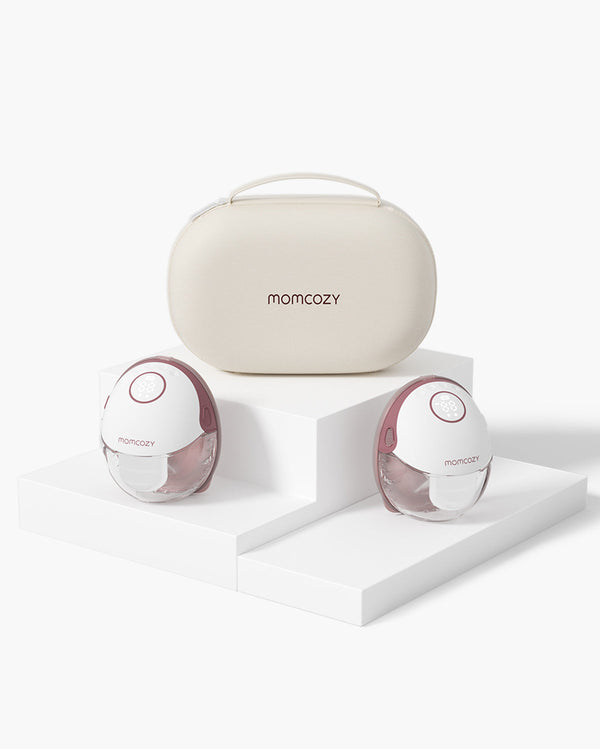
If you rely on pumping, a breast pump that suddenly stops working can throw your whole day off. You might notice problems like loss of suction, display not turning on and milk leakage instead of collecting properly. It is stressful — and it is easy to assume the pump needs replacing straight away.
In many cases, the issue can be fixed with a few simple checks. This guide covers the most common problems in plain English. Checks come first for any pump. Where a wearable needs a different step, we use Momcozy Wellness 1 as the in-bra example (five washable parts, no tubing). Traditional tubed pumps get the extra tubing steps as we go.
A quick note before you start: if you have pain, bleeding or worries about your milk supply, speak to your GP, health visitor or an IBCLC (certified lactation consultant) before you spend an hour fiddling with parts. Not every pumping problem is a pump problem.
Not sure how much milk you should expect in a session? Our guide on how much milk to pump can help you understand what is normal before assuming there is an issue with your pump.
Quick Diagnosis: What's Actually Going Wrong?
Start here by finding the line that sounds most like you, then go to the relevant section below.
- Pump will not turn on, will not charge or the display is not working. → Problem 1
- Pump runs but has no suction or weak suction → Problems 2–4
- Pump seems fine but little or no milk comes out, or breasts still feel full → Problem 7
- Leaking or a poor seal → Problems 5 and 6
- Pain or suction that feels too strong → Problem 10 (do not shop from that section)
- Wet pump, strange smell or settings changing on their own → Problem 9
- You've tried the usual fixes but the pump still not working → section near the end
| What you notice | First check | Go to |
|---|---|---|
| Dead screen, no charge, won't start | Cable, battery, reset | Problem 1 |
| Motor runs but weak or no suction | Valves, assembly, paper-strip test | Problems 2–4 |
| Suction OK but little milk / still full | Let-down, fit, timing | Problem 7 |
| Leaks or poor seal | Flange size, bra, assembly | Problems 5 and 6 |
| Pain, bleeding, fever or suction too strong | Turn suction down; GP / HV / NHS if unwell | Problem 10 |
| Wet hub, smell, settings change alone | Dry parts, tubing, motor care | Problem 9 |
How a Breast Pump Creates Suction (30-Second Refresher)
A breast pump uses a motor to create a gentle vacuum that helps draw milk from the breast, similar to the suction created during feeding. Milk moves from your breast through the flange (the part that sits against you) and through small rubber valves into the collector.
Suction only works when everything is sealed with no air gaps. Even a small leak from a loose joint can reduce or stop suction.
Member price
From£13.99Code Save 15%
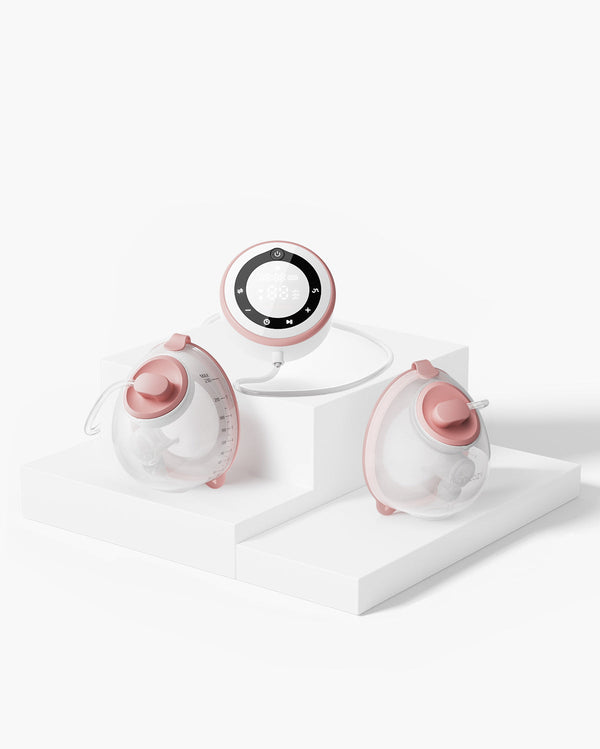
Wearable pumps such as Wellness 1 keep the flange, collector, lid, diaphragm and duckbill valve in one in-bra unit. There is no tubing. Traditional electric pumps add tubing and often a backflow protector between the kit and the motor. Identifying your pump type first can help you follow the right troubleshooting steps.
On Wellness 1, only five parts touch milk and can be washed. The motor hub must stay dry — getting it wet is one of the fastest ways to wreck suction for good.

Problem 1: Pump Won't Turn On or Charge
If your pump will not switch on at all,check the power supply first. It may seem like a simple check, but this catches a lot of "broken" pumps.
- Use the USB-C cable and adapter that came in the box. Using a different phone charger is a common reason pumps charge slowly or refuse to start.
- Check the battery level on the display. On Wellness 1, the LED screen shows charge status. Warm-massage mode uses the battery faster (roughly six sessions versus about ten in standard pumping).
- Plug fully into a working wall socket. Push the USB-C cable in firmly at both ends.
- Screen on but no motor? Try a factory reset by holding the power button for 7–15 seconds (check your manual for the exact timing).
- On smart pumps, make sure that the app and the physical buttons work. On Wellness 1, the app is optional. If the app works but the buttons don't, the button unit may need repair — get in touch with Momcozy customer services.
- Flickering, blank or half-missing digits on the display can mean a damaged screen, especially after a drop or if the pump has been exposed to water — even when the battery itself is fine.
If the pump or charging port got wet, stop using it. Wipe it dry, stand it upright with the port facing down and then wait 24 hours before charging it again. Never switch on a pump that was dropped in water.
Problem 2: No Suction or Weak Pull
When the pump has no suction, check the parts and motor step by step. A part not fitted correctly or a worn duckbill valve can reduce suction even if the motor works properly.
- Remove the pump parts and reassemble them. On Wellness 1 that means flange, collector, lid, diaphragm and duckbill valve, then press the hub firmly onto the collector until it clicks.
- Look closely at the duckbill valve and diaphragm for tears, stretching or warping. Replace them at the first sign of damage.
- Traditional tubed pumps: check tubing for kinks, moisture or milk residue. Replace tubing if it looks cloudy or cracked. Wellness 1 has no tubing, so skip this step.
- Try the paper-strip test (a quick home check): remove all accessories, switch to Expression mode and hold a lightweight strip of paper over the suction port. If the paper flutters, the motor is likely working, and the issue may be with the kit assembly or the fit.
- Pumping on one side with a double traditional pump? Cover the unused port. With a Wellness 1 double set, swap the two motors to see if only one unit is playing up.
- Odd noise from the motor? Run it without the kit attached. Noise gone → check your accessories. Noise still there → contact Momcozy customer services.
Paper-strip test passed but still no suction when worn? Head to Problem 5 (flange and seal).
On Wellness 1, the hub must click firmly onto the collector. A loose lock is one of the most common reasons suction disappears once the pump is in your bra.

Problem 3: Low or Losing Suction Power
Suction that fades over a few weeks usually means worn silicone parts or small air leaks — not a dead motor.
- Turn suction up slowly. Wellness 1 has 12 levels, with suction quoted up to 295 mmHg — treat that as a consumer spec, not a multi-user hospital hire. Start low in Stimulation mode and go up only until it feels effective and comfortable.
- Re-check every connection, especially where the collector meets the flange on wearables.
- If you are using a double set, compare both sides. One weak motor suggests a hub fault. If both sides are weak but the paper-strip test is normal, the issue is more likely to be the valves or the pump fit.
If new valves and a solid seal don't help, the motor may need servicing or replacement. Note when you bought the pump before you contact customer services.
Member price
From£13.99Code Save 15%
Problem 4: Worn Valves, Membranes and Duckbill Valves
Valves and membranes do most of the work when it comes to suction. As they age, suction drops — even if the motor is still strong.
- Signs of wear: tears, warping, slow bounce-back, a valve stuck open or closed, or suction that does not release properly.
- How often to replace: as a rough guide, many pumps need valve membranes every 2–8 weeks, duckbill valves every 1–3 months, and backflow diaphragms every 3–6 months. It varies by model and how often you pump — follow your manual.
- Keep a spare set at home if you pump regularly. Genuine parts are usually the best fit for your pump, while cheaper alternatives may not seal properly.
Wellness 1 owners: keep a spare valve and diaphragm set if you pump daily, and jot replacement dates on a calendar. Order parts from the same product page you bought the pump from, after you have finished these checks.
Problem 5: Wrong Flange Size, Poor Seal or Leaks from Fit
The flange (breast shield) needs a complete seal against your skin. Too big or too small, and air enters around the nipple instead of pulling milk out.
- Measure nipple diameter at rest and during pumping with a ruler or sizing guide. Left and right can differ.
- Centre the nipple in the tunnel. Gaps at the bottom or sides usually mean the flange or insert is the wrong size.
- Wear a pumping bra and lean slightly forward. On Wellness 1, the transparent collector top helps you check alignment while wearing a pumping bra.
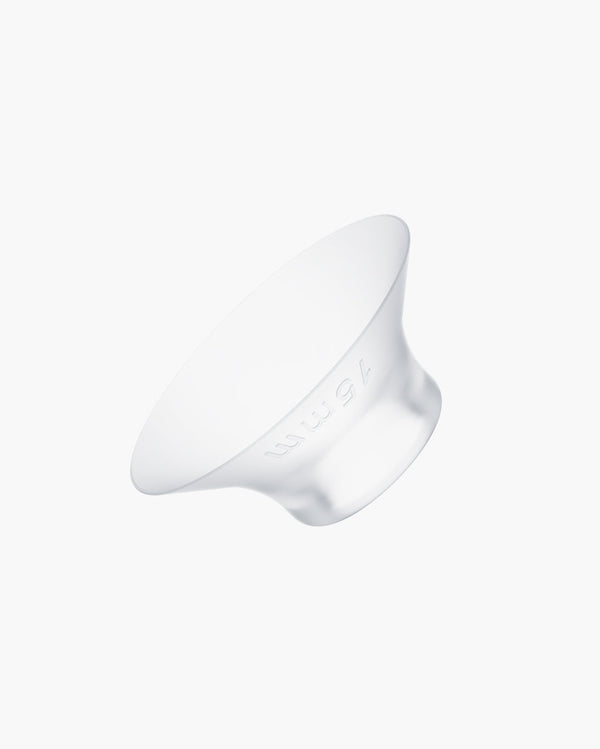
- Wellness 1 comes with a 24 mm DoubleFit flange plus 17, 19 and 21 mm inserts. Try what is in the box before you buy extras.
- Nipples that stretch far into the tunnel may need a smaller insert or a different flange style. Pain and poor breast emptying often result from an incorrect fit.
- Mums with larger breasts may find our tips for breastfeeding with bigger breasts helpful when checking alignment and seal in a pumping bra.
Leaks between breast and flange? That's a fit issue. Leaks from the pour spout or collector seam are covered in Problem 6.
Problem 6: Wearable vs Traditional Pump — Different Fixes
Wearable pumps
- Check the hub is locked onto the collector. Press the side release buttons and reattach it if it feels loose.
- Don't overfill the collector — overflow can reduce suction and cause leaks. Wellness 1 holds 180 ml.
- If warmth or massage has stopped, check the levels on the LED. Massage auto-stops after about 5 minutes and warming after about 15. That is a timer, not a broken motor. Warm-massage also uses more battery. Skip heat on a hot, red, flu-like breast — that is Problem 10, not a settings fix.
- App won't connect? Turn on Bluetooth, open the Momcozy app, tap Add Device and select Wellness 1 from the list. The pump works fully without the app.
- False milk overflow alerts can often be adjusted or turned off in the app.
Member price
From£13.99Code Save 15%
Traditional electric pumps
- Secure tubing at both the motor and kit ends. Kinks and half-connected tubes are common causes of suction loss.
- Check the backflow protector diaphragm for moisture, cracks or not fitted properly.
- If you’re pumping on one side with a double kit, seal the unused port.
Manual pumps
- Check the gasket and handle for wear. Stiff or cracked gaskets leak air on every stroke.
Leaks from the pour spout, between collector and flange, or inside the channel often mean incorrect assembly, overfill or a cracked part. Take the kit apart, check each seal surface and reassemble only when everything is dry.
Problem 7: Pump Works But No Milk Flow
Sometimes the pump is working properly but let-down (when milk starts flowing) or milk supply may be the reason why little milk is expressed.
- Begin in stimulation or massage mode, then switch to expression.
- Try a warm compress, a gentle breast massage and a calm room first. Stress and distraction can affect let-down even when suction is strong. If your wearable already has in-cup warmth, that is a kettle stand-in for a usual session — not a promise output will climb, and not treatment for a hot or lumpy breast.
- Consider when you’re pumping. Pumping right after a long feed usually gives less milk. Many mums find they express more milk mid-morning or when breasts feel full. How much you get also depends on how long after pumping your breasts refill — and that's different for everyone.
- Simple changes may help: soft music, a warm room, a few slow breaths before you start. Anxiety can block let-down even when fit and suction are working well.
If you've had a good session with correct fit and working suction and are still getting little milk, the cause could be supply or health factors, such as hormonal changes, dehydration, stress or certain medications. When breasts remain full and uncomfortable, our cabbage leaves for engorgement guide might help to relieve pressure as you find support.
See NHS breastfeeding guidance, NCT breastfeeding support or speak to an IBCLC, GP or health visitor. A pump on its own can't fix a supply issue.
Problem 8: Pump Stops Abruptly or Won't Turn Off
Many pumps switch off automatically after 30 minutes of continuous use. That's a safety feature, not a fault. Press power to start a new session if you need more time — but give yourself a short break first.
If you turn it off before 30 minutes, it often means a low battery. Wellness 1 warm-massage uses more energy, so charge before a long session.
If the pump will not turn off: break the seal first — slide a finger between the flange and your breast — then press the power button. Try the physical button; the app is optional. If it still will not stop after you have broken the seal, contact Momcozy customer services.
Problem 9: Wet Pump, Moisture, Smell or Condensation Issues
Moisture can affect suction and motor life.
- Never wash the motor hub. On Wellness 1, only five parts touch milk. Follow our cleaning breast pump parts and sterilising breast pump parts guides so the silicone parts are fully dry before you reassemble the pump.
- Only reassemble the pump once every part is completely dry. Damp silicone can trap moisture that can reach the hub.
- Traditional pumps: milk or condensation in tubing will destroy suction. Operate the motor with tubing only (kit removed) to dry out lines, or replace lines if milk has entered.
- A sour smell from the air port, or milk in the hub, means stop using the pump and contact customer services.
- If you feel a small static shock while charging, try a different socket or another bra fabric. If it keeps happening, stop and ask customer services.
After any splash on the charger or hub, stand the pump upright to dry for 24 hours before using it again.
Member price
From£13.99Code Save 15%
Problem 10: One Side Not Working, Pain or Suction Too Strong
One side weak: on a traditional double pump, cover the spare port. On a double wearable set, swap the two motors. If the weak side moves with the motor, that hub needs service — that is a parts check, not a reason to buy a different model while you are still in pain.
Pain or suction too strong: turn the level down straight away. Highest is not a goal. Pain is often flange fit, sore skin or suction that is too strong. Ongoing pain should be assessed by a GP, health visitor or IBCLC. Don't pump through pain. See our nipple care guide if skin is cracked or sore.
A small amount of blood in expressed milk can sometimes follow cracked nipples or pumping too hard. Stop, adjust fit and suction settings, and seek advice the same day if bleeding is heavy, won't stop, or you feel unwell. See your GP or health visitor if you have any concerns, or if you notice fever, a hard painful lump or flu-like symptoms. If you have a high temperature, feel very unwell, or symptoms get worse quickly, call NHS 111 for urgent advice, or 999 in an emergency.
Tried All the Fixes and Still Not Working? Maybe You Need a Different Pump
If you've worked through Problems 1–10, swapped worn parts, checked flange fit and the motor passes the paper-strip test, you've already completed the main troubleshooting steps. Here are a few other possibilities.
- Underpowered for your routine: if you use a pump frequently or only pump, you might need more battery or a different cup shape than the kit you have. Our breast pump price guide helps you understand what you can expect at various prices.
- Limited flange range: if you can't get a seal with any included size, that pump may not be the right fit for your breast shape — even when the motor is fine.
- Confirmed motor failure out of warranty: compare the cost of repair with replacing the pump. Spare parts add up over time.
If you are replacing a pump, match the job — not a hospital-hire sticker. On the UK shop the 2026 order is Wellness 1, then Air 1, then M5 Smart.
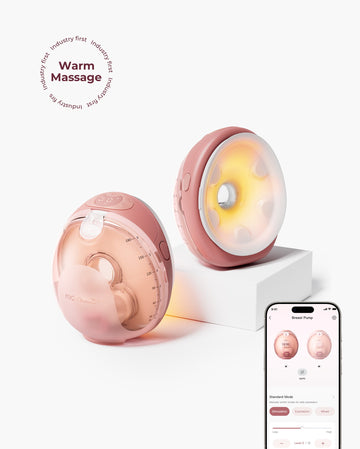
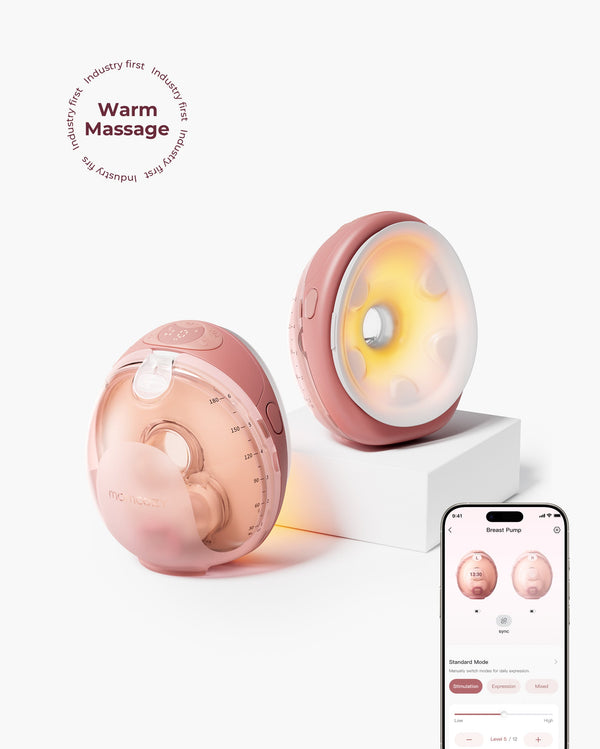
Momcozy Wellness 1 is the warmth-and-massage wearable when icy flanges stall a usual session. Wraparound warmth is 37°C, 39°C or 41°C, plus five-zone massage timed with suction. It is not a stronger motor, not a supply guarantee, and not for a hot, red, flu-like breast. It is heavier than Air 1, and warm-massage uses the battery faster.
Momcozy Air 1 is the slim commute cup when invisibility is the brief. No in-cup heat. Keep it if the only job is disappearing in a meeting.
Momcozy M5 Smart is the everyday app wearable if you want hands-free and a phone log without the slim-case premium or in-cup warmth. Fair limits: nine suction steps, 160 ml bowl, no heat, not as slim as Air 1.
Upgrading is a last step, not a first one. Our wireless pump roundup, electric pump guide and breast pump selection guide compare options if you decide to replace your pump. Working mums tend to have different priorities for battery life and quiet operation than mums who pump primarily at home.
When to Contact Us, Your Retailer or a Lactation Expert
If after passing the paper-strip test, the motor fails the test again, or if the error codes do not go away after a reset, or if the pump was dropped or liquid was put into the hub, contact Momcozy customer services.
The UK consumer law states that faulty goods are covered for repairs or replacement within the warranty period. Keep your proof of purchase.
Stop using the pump immediately if you notice a burnt smell, hear rattling when shaking the hub, see melted plastic around the charge port or buttons, or overheating that doesn’t stop, discontinue use of the pump.
For ongoing pain, mastitis symptoms or supply worries that aren't about the pump itself, speak to an IBCLC, your GP or health visitor. UNICEF UK also publishes trusted guidance for breastfeeding mums. Call NHS 111 or 999 if you seriously feel unwell or symptoms deteriorate rapidly. The pump cannot be a substitute for medical treatment.
FAQ: Common Breast Pump Problems and Quick Answers
Why is my breast pump not creating suction?
Typically an air leak or a worn valve. Reassemble dry parts, replace damaged duckbill valves and perform the paper-strip test. See Problem 2.
Why is my wearable pump not creating suction?
Use the same steps on an in-bra kit such as Wellness 1. If the paper-strip test is good on the hub but suction fails when worn, check flange size and your in-bra seal (Problem 5).
Why is my breast pump losing suction over time?
Silicone valves will stretch over time. Don't assume the motor is worn out until you have followed the replacement intervals as described in Problem 4.
Can I use any USB charger for my breast pump?
No — do not use a random cable or adapter. Phone chargers often charge slowly or don't deliver enough power (Problem 1).
How often should I replace breast pump valves and membranes?
As a rough guide: valve membranes every 2–8 weeks, duckbill valves every 1–3 months, diaphragms every 3–6 months — depending on your model and pumping frequency. Replace early if you see damage. See Problem 4.
My breast is full but the pump isn't getting milk — is the pump broken?
Not necessarily. Let-down, fit and timing all matter. Use stimulation mode, a warm compress if that helps, and a calm environment (Problem 7). See a lactation specialist if output stays low with good suction.
Why is my breast pump leaking milk?
Leaks at the flange are usually a fit issue (Problem 5). Leaks from the pour spout or collector often mean overfill or assembly on wearables (Problem 6).
Does a wearable pump need the app to work?
No. Wellness 1 runs from the LED and physical buttons. The app is useful for records and remote control, but it is optional (Problem 6).
Should I pump through pain to get more milk?
No. Reduce suction, check flange size, and stop if it hurts. That is a GP / health visitor question if it continues — not a shopping one (Problem 10).
I've tried everything — should I get a new breast pump?
Only after you've ruled out parts, fit and settings. Read the section above and compare options in the price guide.
Conclusion
Most breast pump problems are caused by low battery, worn silicone parts, a poor seal or issues with let-down — not a dead motor. Work through the troubleshooting steps in order. If you use Wellness 1, follow the same process and keep a spare set of valves if you pump regularly.
When the pump itself is ruled out, look at fit, technique and support from a lactation professional. For pumping rhythm and output basics, see how long after pumping breasts refill and how much milk to pump.
If you decide an upgrade makes sense after the checks, match the cup to the job: Wellness 1 for a cold start, Air 1 for a slim commute, M5 Smart for everyday app wear.