MEDICALLY REVIEWED BY
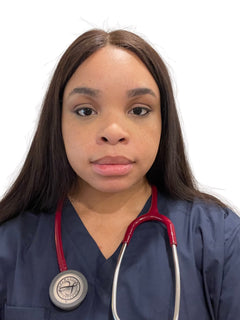
Dr. Idoreyen Inyangotu is a GMC-registered Medical Doctor (MBBS, Barts and The London) with broad NHS clinical experience across paediatrics, obstetrics & gynaecology, internal medicine, general surgery, psychiatry, urology, and primary care. Through her frontline work, she has delivered direct patient care within multidisciplinary teams across acute, surgical, and community healthcare settings, with hands-on experience in clinical decision-making and patient safety. She also holds an intercalated degree in Global Public Health and has specialist training in Clinical Informatics. Her background combines frontline clinical experience with expertise in public health, patient safety, and evidence-based healthcare.
Breastfeeding with larger breasts can feel challenging at first, especially if you're trying to find a comfortable position, support your baby's latch or reduce strain on your back and shoulders. Many parents worry that breast size will make breastfeeding harder, but with the right positioning and support, it's entirely possible to establish comfortable and effective feeds.
The key is not breast size itself but how well your baby is positioned and attached to the breast. Bringing your baby to breast height, supporting your breast when needed and choosing a feeding position that suits both of you can make breastfeeding much easier.
This guide explains practical breastfeeding positions for larger breasts, how to achieve a deep attachment (latch), ways to stay comfortable during feeds and when it's time to seek extra support from a midwife, health visitor or breastfeeding specialist.
Key Takeaways
- Breastfeeding with larger breasts is absolutely possible. Breast size alone does not determine breastfeeding success.
- Positioning and attachment matter most. Finding a comfortable breastfeeding hold and helping your baby achieve a deep attachment can make feeding easier.
- Breast size does not determine milk supply. Milk production depends on frequent and effective milk removal rather than how large your breasts are.
- Supporting both your baby and your breast can improve comfort. A firm nursing pillow and proper breast support may reduce strain on your neck, shoulders and wrists.
- Persistent pain or poor milk transfer should be assessed. Contact your midwife, health visitor or a qualified breastfeeding supporter if breastfeeding continues to be painful or your baby isn't feeding effectively.

Can You Breastfeed Successfully With Larger Breasts?
Yes. Having larger breasts does not prevent you from breastfeeding successfully. Although they can make positioning and attachment more challenging during the early weeks, most parents find feeding becomes easier with practice and small adjustments.
Common challenges include:
- Seeing your baby's mouth during attachment
- Supporting a heavier breast during feeds
- Bringing a newborn high enough to reach the breast comfortably
- Leaning forward, which can cause neck, shoulder and wrist pain
Fortunately, these challenges usually improve with the right breastfeeding position and good support.
Many parents also find that feeding becomes much easier as their baby grows, develops better head control and becomes more efficient at attaching to the breast.
If you're finding breastfeeding difficult, don't struggle alone. Your midwife, health visitor, local breastfeeding support service or the National Breastfeeding Helpline can provide one-to-one guidance that's tailored to you and your baby.
Does Breast Size Affect Milk Supply?
One of the biggest myths about breastfeeding is that larger breasts automatically produce more milk.
In reality, breast size alone does not determine milk supply.
Breast size often reflects the amount of fatty tissue, while milk production depends on the amount of milk-producing glandular tissue and, most importantly, how frequently and effectively milk is removed from the breast.
Some parents with smaller breasts produce a full milk supply, while some with larger breasts may need additional breastfeeding support. Breast size alone doesn't predict either outcome.
Rather than judging milk supply by breast size, look for signs that your baby is feeding effectively, such as:
- Regular swallowing during feeds
- Plenty of wet and dirty nappies
- Steady weight gain
- Your baby appearing satisfied after feeds
- Breasts feeling softer after feeding
If you're concerned about your baby's feeding, nappies or weight gain, speak to your midwife, health visitor or breastfeeding supporter as soon as possible.
What Are the Best Breastfeeding Positions for Larger Breasts?
There isn't one "perfect" breastfeeding techniques or positions for every mother. You may find that one works well during the newborn stage, while another becomes more comfortable as your baby grows. Don't be afraid to experiment until you find what feels most natural for both of you.
Football Hold: Keeps Baby at Your Side
The football hold, sometimes called the clutch hold, is one of the most commonly recommended breastfeeding positions for mothers with larger breasts.
In this position, your baby lies beside your body under your arm while their head is supported by your hand or forearm. Using a firm pillow underneath your baby can help bring them to breast height and reduce strain on your shoulders.
Why it works
- Gives you a clear view of your baby's mouth.
- Makes it easier to guide the latch.
- Provides excellent breast support.
- Helps reduce pressure on your abdomen after a caesarean birth.
Many breastfeeding specialists recommend this position during the early weeks because it offers greater control while you and your baby are learning to feed together.
Laid-Back Breastfeeding: Let Gravity Help
Laid-back breastfeeding involves reclining comfortably while placing your baby on your chest.
Rather than leaning forward towards your baby, gravity helps keep your breast in a natural position while encouraging your baby's instinctive feeding behaviours.
This position may be especially helpful if you have larger breasts because it reduces the need to hold the breast throughout the entire feed.
Why it works
- Encourages a natural latch.
- Reduces pressure on your shoulders and neck.
- Allows gravity to support the breast.
- May help babies who struggle with a fast milk flow.
Side-Lying Position: Ideal for Night Feeds
The side-lying position can make overnight feeds much more comfortable, particularly once breastfeeding is well established.
Lie on your side with your baby facing you, keeping their nose level with your nipple. Supporting your back and knees with pillows can make this position easier to maintain during longer feeds.
Some mothers also find that placing a small rolled towel behind their baby's back provides additional support.
Why it works
- Encourages rest during night feeds.
- Reduces pressure on your back and arms.
- Allows your baby to feed in a relaxed position.
If you become sleepy while feeding, always return your baby to their own safe sleep space once the feed has finished.
Upright (Koala) Hold: Best for Older Babies
Once your baby has good head and neck control, the upright or koala hold can become another comfortable option.
Your baby sits upright on your lap or straddles your thigh while facing your breast.
Because your baby is sitting more vertically, they have greater control over the latch and feeding pace.
Why it works
- Gives older babies more control.
- Can help babies with reflux.
- May reduce problems caused by a fast let-down.
Use Pillows and Breast Support
Whatever feeding position you choose, good support makes breastfeeding much more comfortable.
Firm pillows can lift your baby to breast height, reducing the need to lean forward and helping maintain good posture.
Many mothers with larger breasts also find it helpful to support the breast with a C-hold or U-hold. This can improve positioning while helping keep your baby's nose clear during feeding.
If you'd like additional support, a nursing pillow such as the Momcozy MaxSupport Nursing Pillow can help keep your baby comfortably positioned while reducing pressure on your shoulders, neck and arms.

How to Get a Good Latch with Larger Breasts
A deep attachment (often called a latch) helps your baby remove milk effectively while making breastfeeding more comfortable for you. With larger breasts, it can sometimes be harder to see your baby's mouth or guide them into position, but a few small adjustments can make a big difference.
Instead of focusing on one visual sign, aim for comfortable feeding and effective milk transfer.

Bring Your Baby to the Breast
Rather than leaning forward, bring your baby up to breast height using your arms or a firm nursing pillow. Keeping your shoulders relaxed and your back supported can reduce strain during longer feeds.
Start Nose to Nipple
Position your baby's nose opposite your nipple. As they tilt their head back and open their mouth wide, bring them quickly towards the breast so their chin touches first.
Wait for a Wide Gape
Avoid placing the nipple into a partially open mouth. Waiting until your baby's mouth opens wide encourages a deeper attachment and helps reduce nipple soreness.
Support the Shoulders, Not the Head
Guide your baby's shoulders and upper back rather than pushing on the back of their head. This allows them to tilt their head naturally and attach more comfortably.
Keep Feeding Comfortable
Breastfeeding should become comfortable after the initial few seconds. If pain continues throughout the feed or your baby repeatedly slips off the breast, gently break the suction and try attaching again.
How Should You Support a Larger Breast During a Feed?
Some parents naturally need to support their breast throughout part or all of a feed, especially during the newborn stage. This is completely normal and often becomes easier as your baby grows.
Use a C-Hold
Place your thumb above the breast and your fingers underneath, keeping them well behind the areola. This supports the breast without interfering with your baby's attachment.
Try a U-Hold
Some parents find a U-hold more comfortable, particularly when feeding in the rugby or underarm position. Your fingers support the breast from underneath while allowing it to rest naturally.
Shape the Breast if Needed
If your baby is struggling to attach because the breast is very full or heavy, gently compressing the breast into a shape that matches your baby's mouth can make attachment easier.
Use a Rolled Muslin for Extra Support
Some breastfeeding parents find that placing a rolled muslin or small towel underneath the breast provides additional support during feeding. The cloth should support the breast only and must always remain well away from your baby's face. Remove it after the feed and never leave it in your baby's sleep space.
How Can a Nursing Pillow Support Positioning and Comfort?
A nursing pillow is not essential, but many parents with larger breasts find it useful during the early weeks.
Rather than improving attachment on its own, a firm nursing pillow can help bring your baby to breast height, support your forearms and reduce the need to lean forwards throughout a feed.
This can be particularly helpful when using the rugby (underarm) or cross-cradle hold.
Remember that nursing pillows are designed for actively supervised feeding only. They should never be used as a sleep surface or to support a baby without an adult present.

How Can You Breastfeed More Comfortably Away From Home?
Breastfeeding outside the home can feel daunting at first, particularly if you're still finding the most comfortable position for larger breasts. Planning ahead and keeping things simple can help you feel more confident.
Here are a few practical tips:
- Wear breastfeeding-friendly clothing. Nursing tops, button-down shirts or layered clothing can make feeding easier without needing to adjust multiple garments.
- Choose a supportive seat where possible. A chair with back support or armrests can help you maintain good posture during feeds.
- Carry a muslin cloth. A muslin can support positioning if needed or provide privacy if that's your preference. It should never cover your baby's face or remain in their sleep space.
- Feed wherever you feel comfortable. Some parents prefer a quiet area, while others are happy to breastfeed in public. In the UK, you have the right to breastfeed your baby in public, and there is no requirement to use a cover.
Remember that your confidence often grows with experience, and feeding away from home usually becomes easier as your baby becomes more efficient at attaching.
How Can You Tell Whether Your Baby Is Attached and Feeding Effectively?
Instead of relying on a single sign, look at the overall feeding.
Attachment Checklist
- ✓ Your baby's mouth opens wide before attaching.
- ✓ Their chin is touching the breast.
- ✓ Their cheeks stay rounded rather than sucked in.
- ✓ You can hear or see rhythmic swallowing.
- ✓ Feeding becomes comfortable after the initial attachment.
- ✓ Your baby releases the breast naturally when finished.
- ✓ They produce plenty of wet and dirty nappies.
- ✓ They continue to gain weight as expected.
If feeding remains painful, your baby seems unsettled after most feeds or you're worried about milk transfer, arrange an assessment with your midwife, health visitor or breastfeeding supporter.
What Can Help With Flat or Large Nipples, Engorgement or a Small Baby?
Some breastfeeding parents worry that larger or flatter nipples will prevent their baby from feeding successfully. In most cases, babies breastfeed from the breast rather than the nipple alone, so good positioning and attachment remain the most important factors.
Flat or Large Nipples
A deeper attachment often helps babies manage different nipple shapes. Breast shaping or trying another feeding position may make attachment easier during the first few weeks.
Engorgement
Very full breasts can sometimes make attachment difficult because the breast becomes firm.
Hand expressing a small amount of milk before feeding may soften the area around the nipple enough for your baby to attach more comfortably.
Small or Premature Babies
Smaller babies often benefit from positions that provide greater control, such as the rugby (underarm) or cross-cradle hold.
If attachment remains difficult, seek individual assessment from a midwife, infant feeding team or qualified breastfeeding specialist rather than struggling on your own.
How Can You Manage a Fast Let-Down?
Some parents experience a forceful milk flow during the first few minutes of feeding. This may cause your baby to cough, splutter or briefly pull away from the breast.
A fast let-down does not automatically mean you have an oversupply of milk, and it is not caused simply by having larger breasts.
You may find these strategies helpful:
- Try laid-back breastfeeding so gravity slows the milk flow.
- Feed in a more upright position if your baby seems overwhelmed.
- Pause briefly to burp your baby if they become unsettled.
- Allow your baby to take breaks if needed.
If coughing, choking or feeding difficulties continue, speak to your midwife, health visitor or breastfeeding supporter for personalised advice.
How Can You Reduce Back, Shoulder and Wrist Strain?
Looking after your own comfort is just as important as helping your baby feed well. Poor posture can lead to sore shoulders, aching wrists and back pain, particularly during frequent newborn feeds.
Simple adjustments can make a significant difference.
- Sit in a supportive chair with your feet flat on the floor or on a footstool.
- Bring your baby to breast height instead of leaning forwards.
- Keep your shoulders relaxed and your elbows supported.
- Change breastfeeding positions throughout the day to avoid muscle fatigue.
- Stretch your neck, shoulders and wrists between feeds if they begin to feel stiff.
Many parents also find that a supportive nursing pillow helps reduce forward leaning by supporting both their arms and their baby during supervised feeds. While it won't guarantee a perfect attachment, it can improve comfort and posture during longer feeding sessions.
When Should You Ask a Midwife or Breastfeeding Specialist for Help?
It's common to need a little extra support during the early weeks of breastfeeding. However, some situations benefit from a one-to-one assessment rather than trying to solve the problem yourself.
Speak to your midwife, health visitor, infant feeding team or a qualified breastfeeding specialist if:
- Breastfeeding remains painful after positioning and attachment have been adjusted.
- Your nipples become cracked, damaged or bleed regularly.
- Your baby repeatedly slips off the breast or struggles to stay attached.
- You rarely hear swallowing during feeds.
- Your baby has fewer wet or dirty nappies than expected.
- Your baby isn't gaining weight as expected.
- You experience recurring blocked ducts or symptoms of mastitis.
- You're worried about your baby's breathing, alertness or feeding behaviour.
You can also contact the National Breastfeeding Helpline, which offers free breastfeeding support across the UK. Seeking help early often prevents small feeding difficulties from becoming bigger problems.
FAQs About Nursing Big Boobs: Common Concerns Answered
Q1: Is it harder to breastfeed with larger breasts?
Not necessarily. Larger breasts can make it more difficult to see your baby's attachment or comfortably support the breast during the early weeks. However, many parents find that suitable positioning, good breast support and practice make breastfeeding much easier over time.
Q2: Does having larger breasts mean I'll produce more milk?
No. Breast size does not determine milk production. Milk supply depends on how often and how effectively milk is removed from the breast rather than the amount of fatty tissue in the breast.
Q3: What is the best breastfeeding position for larger breasts?
There isn't one position that works for everyone. Many parents find the rugby (underarm) hold, laid-back breastfeeding, cross-cradle hold and side-lying position particularly helpful, especially during the newborn stage. The best position is the one that keeps both you and your baby comfortable while supporting a deep attachment.
Q4: Do I need to support my breast throughout the whole feed?
Some parents do, particularly during the early weeks when their baby is still learning to attach. As your baby grows and breastfeeding becomes more established, you may find you need less breast support.
Q5: Can my baby breathe if their nose touches my breast?
During a deep attachment, it's common for your baby's nose to rest close to the breast. If you're concerned about their positioning, gently reposition your baby so their chin remains close to the breast while their head can tip back naturally. Avoid pressing breast tissue away from your baby's nose, as improving positioning is usually a better solution.
Q6: Can a nursing pillow help if I have larger breasts?
A firm nursing pillow can help support your arms and bring your baby to breast height during supervised feeds. Many parents find it particularly useful when using the rugby or cross-cradle hold. However, it's an optional positioning aid rather than a requirement for successful breastfeeding.
Q7: Can larger or flatter nipples make attachment more difficult?
Sometimes. Babies attach to the breast rather than the nipple alone, so adjusting your positioning or using breast shaping techniques may help. If attachment continues to be difficult, seek personalised support from a qualified breastfeeding professional.
Q8: When should painful breastfeeding be assessed?
If breastfeeding continues to hurt after the initial attachment, or you notice damaged nipples, poor milk transfer, fewer wet nappies or concerns about your baby's weight gain, contact your midwife, health visitor or breastfeeding specialist for an assessment.
Finding a Comfortable Way to Breastfeed With Larger Breasts
Breastfeeding with larger breasts may take a little extra practice, but it is entirely possible with the right positioning, attachment and support. There's no single "perfect" breastfeeding hold, and what works for one parent may not work for another. Taking the time to experiment with different positions, supporting your breast when needed and bringing your baby to breast height can make feeding more comfortable for both of you.
If you're still finding breastfeeding difficult, don't hesitate to seek support. A midwife, health visitor or qualified breastfeeding specialist can observe a feed and offer practical guidance that's tailored to your needs.
If you'd like extra support during feeds, supportive nursing pillows can help improve your posture and reduce strain on your arms while keeping your baby at a comfortable feeding height during actively supervised breastfeeding.