After you stop pumping, you ask yourself, how long does it take for breasts to refill before the next feed? You're not alone — many of us imagine breasts similar to bottles that require a timer. They don't. Your body is always producing milk. This UK guide covers flow timings, the science, and practical tips in plain English.
Do Breasts Really "Refill"? Understanding Continuous Milk Production
Your breasts are a factory, not a bottle
Milk isn't stored in one place that simply runs empty. It's made all the time in tiny clusters of cells deep in your breast tissue. When milk is removed — by your baby or a pump — your body responds by producing more milk.
Think of a tap dripping into a cup. The cup can feel fuller over time, but the tap never fully switches off. That's why the idea of waiting for breasts to "refill" can be misleading.
What happens in the first days compared with after supply regulates
In the first six to twelve weeks, hormones play a big role. Frequent feeding or expressing helps build your supply. La Leche League GB explains that from around day three to five, milk only keeps flowing if milk is actually removed — the more milk that is removed, the more your body is encouraged to produce.
After supply settles (often by about six to twelve weeks), your breasts feel softer. That doesn't mean they're empty. It usually means your body has adjusted to your baby’s feeding or your pumping routine.
Why "empty" breasts still contain milk
Lactation research suggests babies typically remove most — but not all — of the milk available at a feed. In a single study, average feed consumption was approximately 67%, and this varied widely from feed to feed and from baby to baby (Kent et al., 2006). Earlier work found a similar range of roughly 63–72%. They rarely drain every drop — and neither does a pump. There is rarely a moment when your breasts are completely empty. Trying to "empty" them completely is like trying to empty a stream while water keeps flowing in.
The NHS advice on expressing is about regular feeding or expressing, rather than waiting until breasts feel completely full.

How Long Does It Take for Breasts to Refill After Pumping?
If you’re wondering how long it takes for your breast to refill after pumping, the answer is there's no fixed breast milk refill time. It depends on how empty you are and how often you express milk.
The 20–30 minute window
Many mums notice their milk starts flowing more easily within 20–30 minutes after a good session. That doesn't always mean a large amount of milk. It often means milk comes faster than it did at the very end of your last pump.
1–2 hours for noticeable fullness
For breasts that appear noticeably fuller — or a stronger let-down — this usually takes about one to two hours. It depends on hydration, how much you removed, and how often you've been expressing.
A rough guide to refill rate
Once supply is set up, a good approximate rate is about 15–30 ml (0.5–1 oz) per hour — but this is only a general guide. Some mums produce milk more quickly after a thorough pumping session. Others store more between sessions. Both can be normal.
It’s helpful to separate two things: milk flowing quicker again (sometimes within 30 minutes) is different from breasts feeling full again (often one to two hours). Soft breasts don't mean no milk. They are frequent indications that your body is meeting the demand.
How Milk Production Works: Supply, Demand and FIL
Prolactin in the early weeks
Early on, the hormone prolactin rises when your nipples are stimulated. This is one reason newborn feeds — or pumps — are so frequent. The more stimulation in those first weeks generally means more milk over the long term.
FIL — why emptier breasts often make milk faster
This is the part that altered the mindset for a lot of people with regard to pumping. When milk sits in the breast, a protein called Feedback Inhibitor of Lactation (FIL) builds up. FIL signals your body to slow milk production, acting like a brake to help prevent overproduction.
When you remove milk well, FIL level decreases. This allows milk production to increase again. Production can speed up. So when people ask when breast milk is replenished, the honest answer is: all the time and removing milk helps reduce FIL and supports ongoing milk production. KellyMom's milk production FAQ explains: breasts don't need time to "refill" like bottles — waiting too long can actually slow supply.
Why waiting for "full" breasts can backfire
Waiting until breasts feel heavy before pumping again may seem like the right approach. It isn't always helpful — more FIL builds up and production slows. If you've ever waited to feel "full" and then got less than usual, FIL may be one reason for this. It’s a common misunderstanding, so many mums expect their breasts to work like bottles.
Do You Need to Wait Before Pumping or Feeding Again?
The quick answer is no: There is no time limit on refills. You don't need to wait for breasts to feel full before the next feed or pump.
Using the same breast or alternating sides
Flow may improve within 20–30 minutes, but pumping the same breast repeatedly in quick succession can increase the risk of oversupply, engorgement, or blocked ducts, unless you're deliberately building your milk supply. If engorgement is your main concern, our guide on cabbage leaves for engorgement covers gentle relief options.
Most mums find it works well to alternate sides or space sessions according to their baby's needs or their expressing routine.
What if baby wants to feed right after you pumped?
Usually fine. Offer the breast. Babies continue to drink milk. Your body doesn't really distinguish pump from baby — it responds to how much you've removed over the day.
So: do breasts need time to refill? Not in the way a bottle does. How long to wait between pumping sessions? Follow your baby's cues or a steady schedule (often every two to three hours in the early months) — rather than waiting for your breasts to feel full.

6 Factors That Affect How Quickly Your Breasts Refill
Wondering how quickly your breasts refill after pumping? These are the main factors that affect it.
1. How completely you emptied the breast
Partial pumping leaves milk — and FIL — behind. Thorough emptying (breasts feel soft, flow slows to drips) usually means faster milk production afterwards. Do empty breasts refill faster? In terms of production rate, often yes — because FIL has been reduced.
2. Time of day
Prolactin is known to have a night and early morning peak. Many mums find it easier to get more milk at 3 a.m. than 3 p.m. Milk production naturally varies throughout the day.
3. Storage capacity and overall supply
Some breasts hold more between feeds than others. This is largely due to natural differences in breast storage capacity. Smaller storage capacity often means more frequent feeds or pumps to reach the same daily milk intake — still completely normal.
4. Weeks postpartum and regulation
The first few weeks tend to be more hormonal and may be more accepting. When it's time for regulation, your body, too, is listening to the schedule you follow. Miss sessions often and your supply may dip from time to time.
5. Pump efficiency: fit, settings, and session length
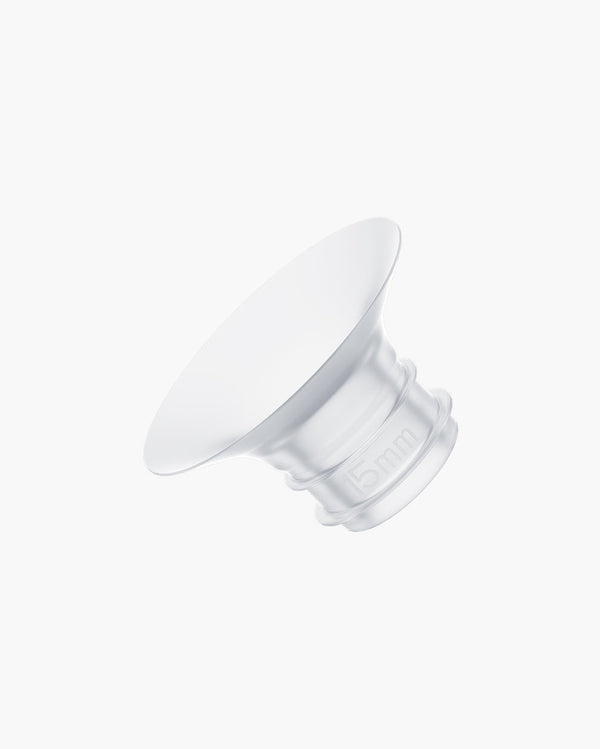
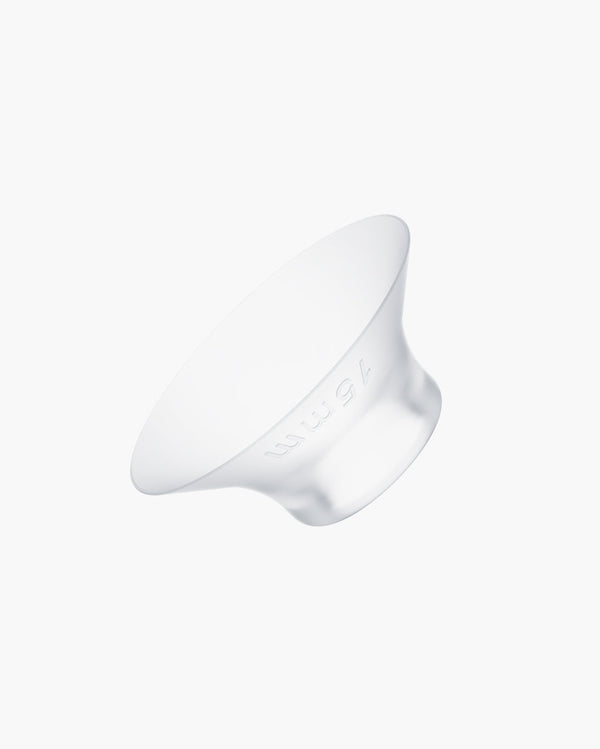
There are many mums who don’t realise that flange fit is important. A poor fit results in less removal — and a weaker "make more milk" signal. If you're unsure about sizing, the breast pump selection guide walks through fit basics.
If suction feels weak despite good fit, the breast pump not working checks come before a different pump. Comfortable sessions help you finish the minutes that actually remove milk. Kit is not the first clinical answer.
6. Hydration, sleep, stress, and illness
Stress can interfere with let-down. This can impact the feel of a session if you're run down or dehydrated. One flat pump doesn't always mean there’s a problem. If low output continues for several days, it may be worth looking at possible causes or speaking with a healthcare professional.
|
Scenario |
Rough rate |
Why |
|
Thorough emptying, early weeks |
Faster flow |
High prolactin + FIL cleared |
|
Thorough emptying, settled supply |
Steady (~15–30 ml/hr) |
Demand-driven pattern |
|
Partial emptying |
Slower |
FIL still present |
|
Long gaps between sessions |
May slow over days |
Body reads lower demand |

How to Pump So You Have Enough Milk for the Next Feed
When you're establishing supply — especially if you're expressing in the early weeks — UNICEF Baby Friendly and NHS neonatal guidance often suggest aiming for 8–10 expressions in 24 hours, including at least once at night. If you’re unsure how much milk to expect from each session, see our guide on how much milk to pump first.
Session length, double pumping, and hands-on help
A lot of mums keep pumping until the milk has slowed, then pump for a couple more minutes. Double pumping and gentle breast compression can improve emptying. La Leche League GB notes that shorter, more regular sessions can be more effective than infrequent, longer pumping sessions. If you’re returning to work soon, Our breast pump guide for working mums covers practical setup.
Track daily totals, not single sessions
A lower output in the afternoon compared with the morning is common. What matters is the pattern over the day, not one thin bottle.
Newborn weeks: express often, roughly every two to three hours. After supply regulates, many mums space sessions every three to four hours. If you’re combination feeding, count both breastfeeds and pumping sessions together. If you’re choosing a pump, the wearable breast pump guide and wireless breast pump roundup compare UK options. Keep parts clean — see how to clean breast pump parts.
Can You Speed Up Breast Milk Refill?
You can't speed up your body’s natural milk production with a timer. But you can support healthy milk production.
Frequent, effective removal
This is one of the most important factors. More frequent, thorough milk removal keeps FIL levels lower and signals your body that more milk is needed.
Hydration and balanced eating
Drink when you are thirsty. Eat regular meals. The NHS line is simple: the more you feed or express, the more milk you should get. Drinking more water than your body needs won’t increase your milk supply on its own. No single "miracle" food replaces regular feeding or expressing.
Warmth, massage, and relaxation for let-down
Warm compresses and gentle massage before or during pumping help some mums let down more easily. A hot flannel and your hands are enough for this step. Warmth does not change how fast the breast makes milk. Skip heat if the breast is hot and red, or you feel flu-like.
Power pumping — briefly
Typical approach: 10 minutes pump and 10 minutes rest, repeated for approximately 1 hour, daily for 2-3 days. Stop if you're exhausted or sore. It's intended as a short-term technique rather than something to do every day. That sits in the power pumping schedule, after a usual session or between sessions, not stacked on an active cluster at the breast, and only if a specialist agrees.
Pumping vs Breastfeeding: Does Removal Method Change Refill Time?
From a biological perspective, it doesn't matter whether milk is removed by breastfeeding or pumping. If you're wondering how long does it take for breast milk to replenish after a session, the answer is your body responds to how much milk was removed and how often, regardless of whether you breastfeed or pumped.
Why pumping can feel "slower"
Babies can let-down better than the machines. Pumps depend on flange fit, suction, and session length. Incomplete emptying leaves more FIL behind, so milk production may slow down.
See the electric breast pump guide for setup. If you notice sore or white nipples after pumping, the guide on nipple vasospasm and blanching is the place for that check, not a pump upgrade.
Combination feeding
Every breastfeed and every pumping sessions contributes to your body’s overall milk production. Don't assume that breastfeeding "doesn't count" because you also pump.
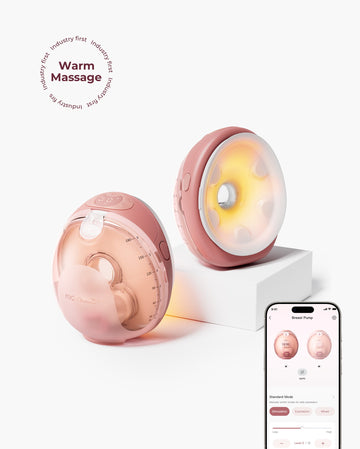
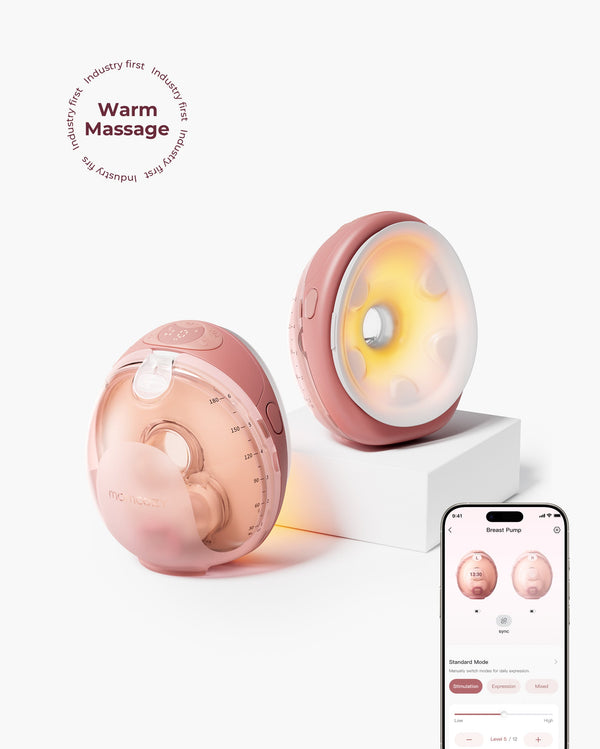
Some mums find integrated warmth/massage on the Wellness 1 (Warm-Massage Sync) makes pumping feel more natural — worth a try if comfort is the issue. If you notice sore or white nipples after pumping, See our guide on nipple changes during breastfeeding and pumping.
Signs Your Supply Is Keeping Up — and When to Get Help in the UK
After supply regulates, soft breasts are normal. They're not automatically a sign that something is wrong.
NHS signs that feeding is going well
- At least six wet nappies in 24 hours from around day five
- Baby seems content after most feeds
- Steady weight gain on check-ups
- Your daily expressing total stays fairly stable over time
When to reach out
Contact your health visitor, midwife, or GP if you're worried. You can also call the La Leche League GB helpline or find local support through the Breastfeeding Network (BfN) or NCT.
Seek help sooner if:
- Daily pump totals drop more than 20% over a week without a clear reason
- Fewer than six wet nappies after day four
- Breast pain, lumps, or redness with less milk — possible blocked duct or mastitis (NHS 111 can offer advice)
This article is general information, not medical advice. If you’re unsure about your symptoms or your baby’s feeding, seek advice from a healthcare professional.
If a cold start is why the session ends early
This is shopping information, not a clinical plan. The refill clock on this page is how much milk you actually remove. A cold cup on a British morning can delay let-down, so you stop when the first millilitres look thin and leave FIL behind.
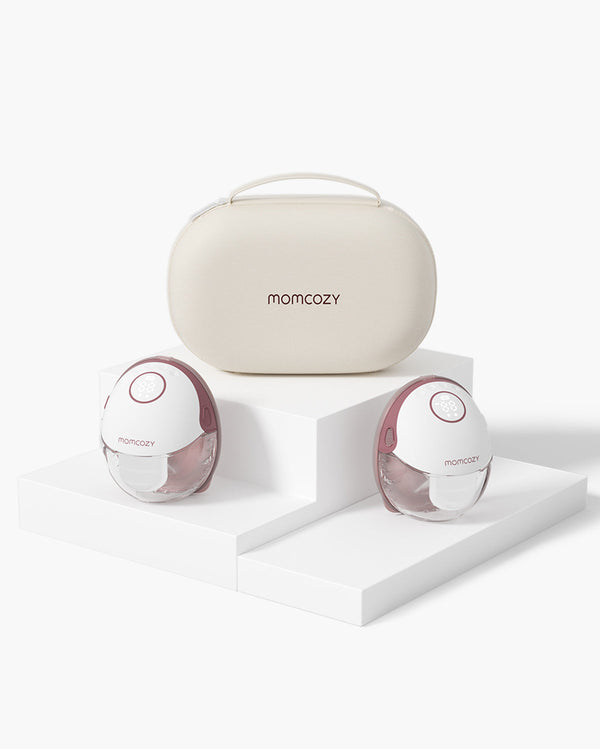
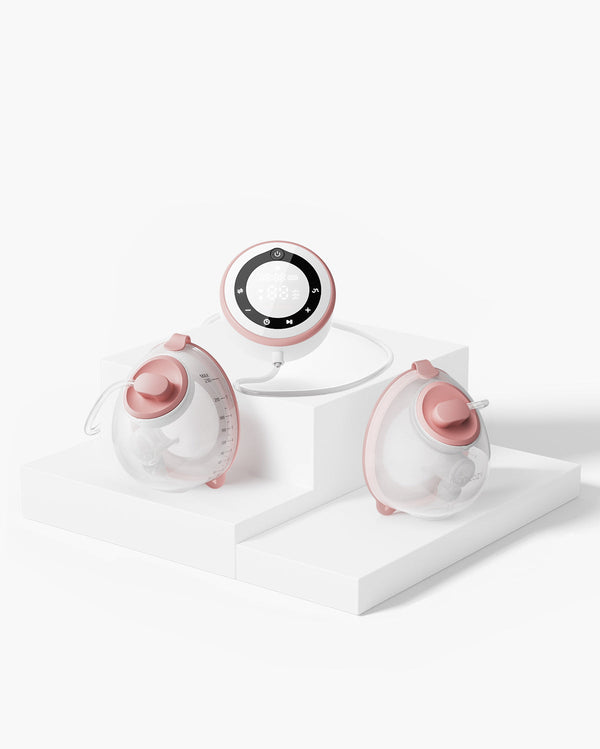
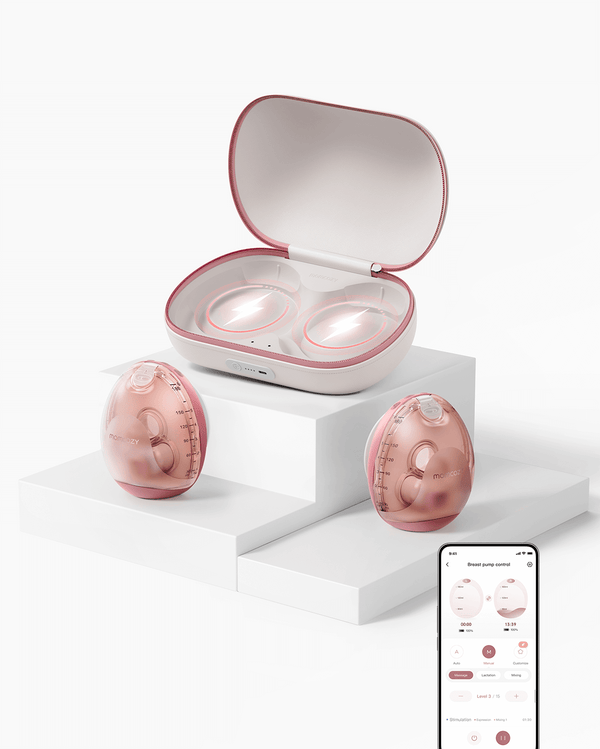
The Momcozy Wellness 1 keeps wraparound warmth (37°C, 39°C or 41°C) and five-zone massage in the cup with the suction, so it is easier to finish 15–20 minutes instead of cutting the sit short. SoftPulse is a gentler pulse, which makes it easier not to chase millilitres with vacuum. Hands-free means you can drink or hold the baby through the slower second half. Milk Boost, if you use it, is a set rhythm for a block you already meant to do — including leftover pumps after a breastfeed, and the early-morning or night sits that make up 8–10 expressions. It is not a treatment for slow refill or low supply, and not a promise breasts feel full in 20 minutes.
If a hire pump or sit-down double electric is already emptying well, keep it. About 10 pumping-only sessions per charge, or about 6 when warmth and massage stay on.
Note: This is shopping information, not medical advice. Wellness 1 does not treat low supply or make milk faster. A consumer wearable is not a hospital hire. Skip heat if the breast is hot and red, or you feel flu-like. That is a GP, midwife or NHS check.
FAQs: Quick Answers About Breast Refill After Pumping
Do empty breasts refill faster?
Often yes, in terms of milk production. Less milk sitting in the breast means less FIL, so your body can produce milk more quickly after thorough removal.
Why are my breasts not filling up after pumping?
Common reasons include partial emptying, long gaps between sessions, stress, poor let-down, or an incorrect flange fit. Soft breasts after regulation are normal. If output decreases sharply over several days, ask your midwife, health visitor or a breastfeeding specialist. A hot flannel and your hands are enough for warmth. Kit does not treat a drop in supply.
What time of day is milk supply highest?
Usually overnight and early morning when prolactin is at its highest levels. Many mums get their highest milk output in the small hours.
Will pumping an empty breast increase supply?
Pumping an already soft breast won't instantly create extra milk straight away. Regular, thorough removal over days and weeks supports supply. Empty-looking breasts are still sensitive to stimulation.
How do I know my breasts are empty after pumping?
Flow slows to drips and breasts feel soft — not hard or lumpy. Pump a few minutes longer after flow slows if you're unsure. A softer breast and slower milk flow are still the best signs that your pumping session is coming to an end.
Does drinking more water increase breast milk?
Staying hydrated matters. Dehydration can affect output. But drinking far more than you need won't increase your milk supply on its own. Drink when you are thirsty; focus on frequent, effective removal for supply concerns.
Conclusion
So — how long does it take for breasts to refill after pumping? There is always production going on. It takes 20-30 minutes for the flow to begin and 1-2 hours for a fuller feeling. Waiting for "full" breasts before your next session can slow milk production, because FIL builds up.
To support milk production, empty your breasts well, express often enough for your stage, and remember that soft breasts are normal. If you're establishing your milk supply, aim for 8–10 expressing sessions in 24 hours, if possible. Focus on your overall pumping pattern rather than a single session.
If something doesn't seem right — such as fewer wet nappies, weight concerns, or pain — your health visitor, midwife, or a breastfeeding counsellor can offer support. Don't hesitate to ask for advice if you need it. Small, consistent steps can make a difference over time.