It's 2 a.m. on the sofa. Baby keeps sliding off because the areola feels like a tight drum. You want the tightness down, not a project.
How to relieve an engorged breast is mostly a sequence: feed if you can, soften the areola if latch fails, cool the tissue between feeds, and stop short of emptying. That whole-breast tightness is what NHS advice on breast engorgement describes. This page is the hands-on bit. Only a clinician can say what is going on in your case.
Key Takeaways
- Feed to need, soften the areola if latch fails, use cold between feeds, and skip extra emptying.
- Reverse pressure softening is a one-minute press around the areola so baby can attach. It is not a massage of the whole breast.
- A little hand expression is for comfort and latch, not for emptying. If you use a pump, keep suction low and warmth off.
- Cabbage leaves, light strokes toward the armpit, and a muslin at night can ease swelling. Vibrating gadgets and long heat do not.
- If you are not breastfeeding, the aim is comfort and a slow drop in volume, not a forced dry-up tonight.
What to try in the next 20 minutes
Offer the breast first if baby will take it. Soften the areola if they can't. Cool afterwards. Do not try to empty the breast in this window.
Timings here are rough. Twenty minutes will not fix everything. It is usually enough to get a latch, or to take the edge off so you can think. The later sections unpack the bits that need two hands.
- If baby is willing, offer the breast for as long as they want. That is still the fastest comfort while you are breastfeeding.
- If they slide off, spend about a minute on reverse pressure softening, then a little hand expression only until they can attach. Full steps sit below.
- Between feeds, lay a cold muslin on for roughly 10 minutes, or wrap frozen peas in a tea towel. That is a cold compress, not a gel gadget.
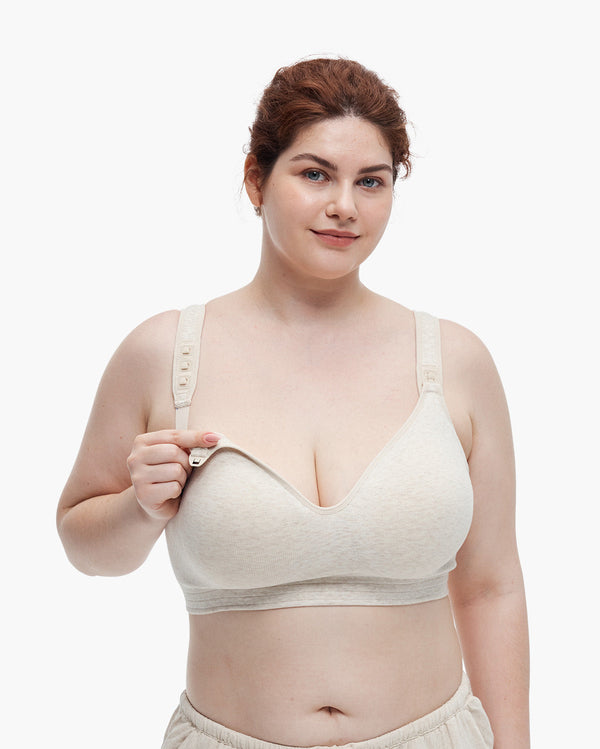
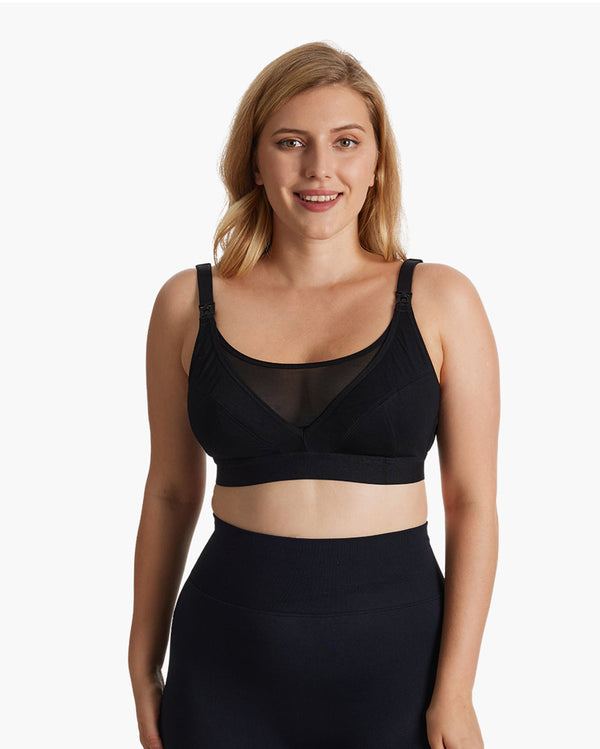
- Wear a bra that does not cut in or leave red grooves. Any well-fitting nursing bra can do that job, including one you already own from the high street.
- If you can usually take them, paracetamol or ibuprofen may take the edge off. Check the pack or ask a pharmacist. Do not guess a milligram dose from this page.
- Do not add extra expressing "to empty it". Skip vibrating massagers. Skip a long hot shower aimed at the breast.

Reverse pressure softening, step by step
Reverse pressure softening moves extra fluid back from the nipple area so baby can get a deeper latch. It does not push milk out, and it is not a whole-breast massage.
This is the version La Leche League GB teaches for engorged breasts. Gentle, about a minute, then feed. If a minute hurts, you are pressing too hard.
- Wash your hands. Sit so your shoulder can drop. You can do this on the sofa with a muslin on your lap.
- Fingertip ring: curve all five fingertips of one hand around the base of the nipple, on the areola, not on the nipple itself.
- Press gently and steadily toward your chest wall for about a minute. You are after a ring of small dimples, not pain.
- Finger sandwich, if the ring feels awkward: put your thumb on one side of the nipple and two fingers on the other, where baby's lips will sit. Same gentle press, about a minute.
- Stop and offer the breast while the areola still has some give.
- If it is still too tight, try a little hand expression next. More pressure is not more progress.
Hand expression and pumping without emptying
Express only if baby cannot latch, and only enough to get comfortable or to make attachment possible. Do not chase empty. Extra removal tells the breast to make more.
"A little" means until the areola has some give, or until the tightness eases a notch. It is not a full session. If you are unsure what a usual amount looks like, how much milk to pump in a normal feed is the ceiling, not a target to beat.
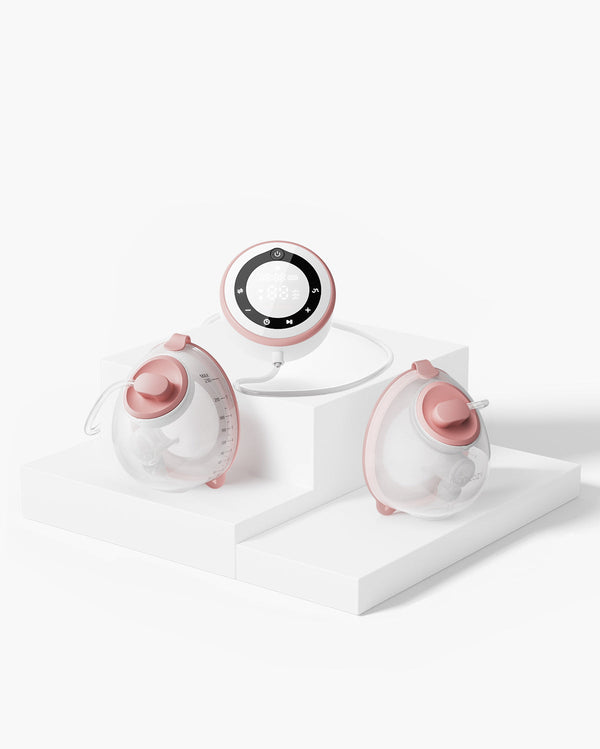
Should you use a pump at all? Only as a stand-in when feeding is not happening. Lowest comfortable suction, following your pump's instructions. Stop when you would have stopped a feed. Switch any warmth or massage setting off while the breast is tight, hot or red.
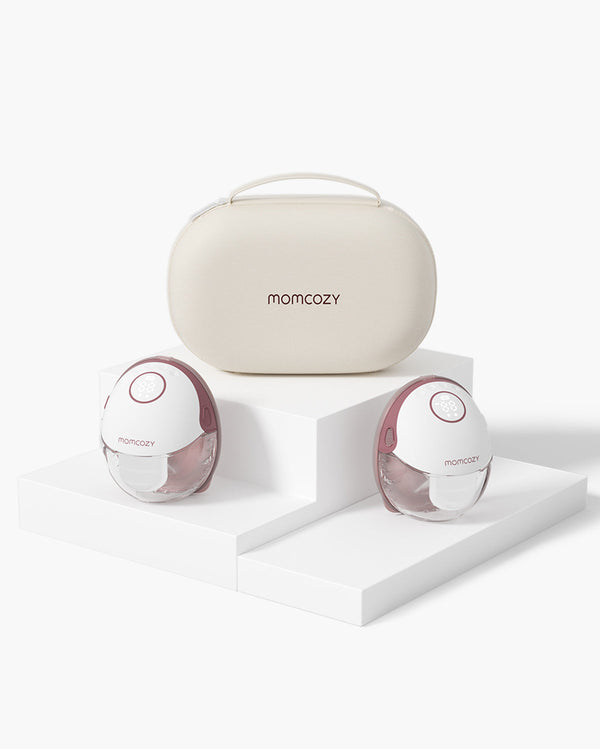
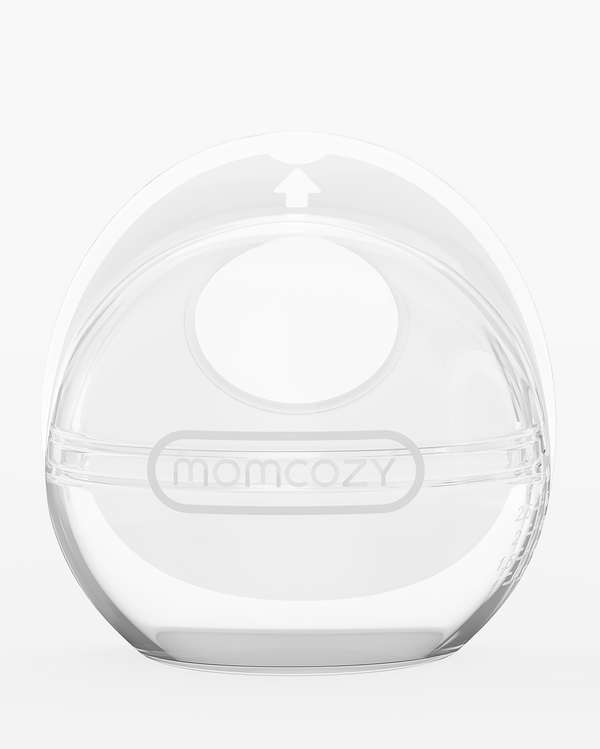
A missed session on a nursery run or a bank-holiday weekend can set tightness off. Getting back onto a rhythm you can keep matters more than an extra empty. An in-bra pump such as Momcozy Wellness 1 is built so that usual session can start without hunting for a sink. A flexible pumping schedule is about that rhythm, not about draining the breast tonight.
Cold, a short warm flannel, and cabbage leaves
Cold between feeds is the default for swelling. A short warm pass is optional only if it feels kind and the breast is not hot and angry.
Use a clean muslin soaked in cold water, or frozen peas wrapped in a tea towel, for about 10 to 15 minutes. Take it off if the skin goes numb. You can repeat after a feed.
A kitchen flannel run under the warm tap, for a minute or two before a feed, is the most heat you need. Long heat, and a hot shower aimed at the breast, can add to the puffiness.
Fridge cabbage can feel soothing as another cold layer. It is comfort, not a treatment for mastitis. Take a leaf from the drawer, rinse it, crush the rib so it sits flat, and tuck it inside the bra until it wilts. Stop if the skin looks unhappy. Timing matches cabbage leaves for engorgement.
Gentle strokes toward the armpit (not a workout on the breast)
If you use your hand, keep it no firmer than stroking a cat, and sweep toward the armpit and collarbone. You are helping extra fluid move away, not kneading milk toward the nipple.
A few slow passes is enough. Skip combs, electric toothbrushes, and vibrating gadgets. They bruise already sore tissue.
A local, tender patch is a different job. That is often what people mean by a blocked milk duct, not whole-breast puffiness. Don't dig the spot. If the lump is not easing, speak to your midwife, health visitor or GP rather than adding harder massage.

Positions, latch, and how to sleep with engorged breasts
A deeper latch eases tightness better than extra kit. If you are hunched on the sofa, sit back so baby can take more breast, not just nipple. Small practical shifts like that sit with everyday breastfeeding tips for new parents.
Laid-back feeding, or a rugby hold, sometimes helps when the nipple looks flatter. A rolled towel can hold that shape if your arms are tired. If it still hurts, ask your midwife or health visitor to watch a feed.
For sleep, lie on your back or slightly upright with a muslin ready. The next feed still counts. Don't put extra pillows in baby's cot. That matches NHS safer-sleep advice. Don't stretch the gap "so you can rest" until morning if you are uncomfortably full.
If you are not breastfeeding
If you are not breastfeeding, relief is comfort and a slow drop in volume. It is not a race to empty, and it is not a full dry-up plan tonight.
Use cold. Wear a bra that does not cut in. Hand express only if you need the tightness to ease, then stop. Pumping to empty "so it dries faster" usually makes more milk. If you are expressing only, keep sessions in line with a usual amount rather than chasing dry. Exclusive expressing still follows the same "usual amount" idea as exclusive pumping, not an extra empty tonight.
Leaks can be caught, not drained. A pad in the bra is enough for many people.
If you are stopping or weaning, drop sessions gradually over days, not in one night. Tonight is cold, a little comfort expression if you need it, and sleep as best you can. A bank-holiday weekend with no clinic is not the moment to force a dry-up.
When to stop this routine and get help
Stop the home routine and contact a GP or NHS 111 if you feel flu-like, redness is spreading, or you are no better in 12 to 24 hours, or you feel worse before then. A lump that is not easing needs a check too. That window follows NHS guidance on mastitis.
If you are still in the midwife window, your community midwife or health visitor can watch a feed. For latch only, the National Breastfeeding Helpline is 0300 100 0212. NCT's breastfeeding challenges page is useful when attachment still hurts after the areola has softened.
Seek urgent care if you feel dizzy, confused, or you start vomiting with these breast symptoms. Call 999 if you need to. NHS advice on breast pain while breastfeeding covers that pathway in plain language, and NHS common breastfeeding problems sets out sore nipples, engorgement and mastitis together.
Once the fullness has settled
The hands-on steps above are for tonight. This section is the longer look at kit for ordinary expressing days afterwards. It is not clinical guidance, and it is not a treatment for tightness you still have now. A high-street nursing bra, a tea towel, frozen peas, a kitchen flannel and a pad cover most nights. Fit notes for nursing bras in the UK sit on that page if you are choosing a bra later.
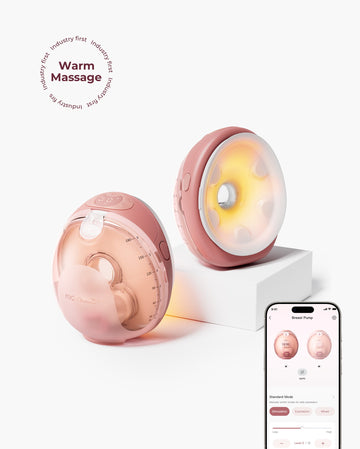
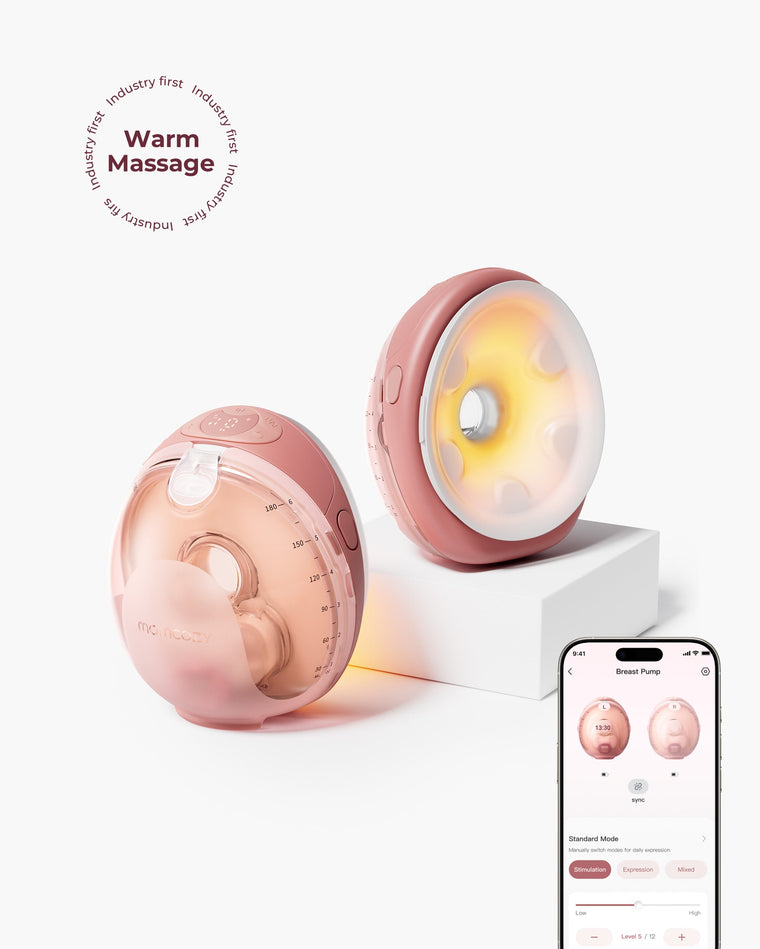
Momcozy Wellness 1 is the warm-massage wearable for those ordinary sessions. SoftPulse is a baby-like micro-pulse, so you can take a usual amount without cranking suction — the same “stop short of emptying” idea as tonight, not a reason to drain the breast. Wraparound warmth at 37°C, 39°C or 41°C is the built-in kitchen flannel, ready in about 40 seconds, once the breast is no longer tight, hot or red. Switch warmth and massage off during this episode. The warmth function is not recommended for engorgement, blocked ducts or mastitis. Auto-stop keeps heat from sitting there.
In-bra wear is for the next nursery run or desk session, so a gap does not open again and bring the tightness back. Quiet enough for a night feed or an office helps that session actually happen. That is everyday rhythm, not treatment for today's swelling. A pump you already own still does the same job. Check the product page for current availability.
If you want branded clothing examples, a Momcozy Busty Cotton nursing bra is one everyday bra, and the Momcozy pumping and nursing bra is one cut for cups as well as feeds. A Momcozy Breast Milk Collector is one leak catcher, and a Momcozy MaxSupport nursing pillow is one feeding pillow.
Member price
£29.99Code Save 20%

FAQ: Quick Answers to Common Questions
How do you take the tightness down quickly?
Feed if baby will latch. If they can't, do a one-minute reverse pressure press, then a little hand expression, then offer the breast again. Cold between sessions. Don't add extra emptying. Quick means calmer tissue, not an empty breast.
Should I pump when I am this full?
Only if baby cannot feed from that side. Use the lowest comfortable suction and stop at a usual amount. Extra pumping often makes more milk and more tightness later.
Do cabbage leaves help?
They can feel soothing as a cold layer inside the bra. Rinse a fridge leaf, crush the rib, and take it out when it wilts or if the skin protests. They are not a treatment for mastitis.
What if I am not breastfeeding?
Cold, a comfortable bra, and only enough expression to take the edge off. Don't pump to empty in order to dry up faster. Leaks can be caught with a pad. Drop volume over days if you are weaning.
Should I use heat or a cold compress?
Cold between feeds is the better default for swelling. A short warm flannel before a feed is optional only if it feels kind. Skip long heat and hot showers aimed at the breast.
How should I sleep when my breasts are this tight?
On your back or slightly upright, with a muslin nearby, and still offer the next feed if you are breastfeeding. Don't pad baby's sleep space. If you wake uncomfortably full, a little expression plus cold is kinder than waiting until morning.
Conclusion
The sequence is the point. Feed or soften, cool, and stop short of emptying. Reverse pressure and cabbage live on this page so you can do them at 2 a.m. without a second essay on what the tightness is called.
If you use a pump tonight, keep warmth and massage off while the breast is tight, hot or red. Flu-like symptoms mean you leave this routine and get help.