MEDICALLY REVIEWED BY

Dr. Idoreyen Inyangotu is a GMC-registered Medical Doctor (MBBS, Barts and The London) with broad NHS clinical experience across paediatrics, obstetrics & gynaecology, internal medicine, general surgery, psychiatry, urology, and primary care. Through her frontline work, she has delivered direct patient care within multidisciplinary teams across acute, surgical, and community healthcare settings, with hands-on experience in clinical decision-making and patient safety. She also holds an intercalated degree in Global Public Health and has specialist training in Clinical Informatics. Her background combines frontline clinical experience with expertise in public health, patient safety, and evidence-based healthcare.
It is 2 a.m. There are 30 ml in the bottle. The kettle has gone cold, and “stimulate more” is still in your head from the health visitor.
You usually stimulate milk production by removing milk often and well, not with a special snack or a harder vacuum. This guide covers feeding, expressing, the early days after birth - including after a C-section, and when foods are only a side note. It is not a diagnosis. If nappies, weight or a feed still worry you, talk to your midwife, health visitor or an IBCLC.
Key Takeaways
- What usually works is frequent, effective emptying: often 8–12 feeds or expressing sessions in 24 hours, including overnight.
- Prolactin supports making milk; oxytocin lets it flow. Warmth, a calm start, and a deep latch or a well-fitted flange help the second hormone as much as the first.
- A small pumped volume is not, on its own, proof of low supply. Check nappies, weight, and a feed with your midwife or health visitor before you change tools.
- A pump, a silicone collector, or hand expression only helps if it actually removes milk. Extra sessions only count when they empty you.
- Foods and herbs are not a supply plan. If output stays low after frequent emptying, ask for a feeding specialist rather than starting a medicine from a forum.
How milk is made: emptying, prolactin, and let-down
Milk is usually made on supply and demand. When milk leaves the breast often and well, your body often gets the message to make more. When it sits there, production can ease off. That is the core of NHS advice on milk supply.
Two hormones do different jobs. Prolactin is the milk-making hormone. Oxytocin is the let-down hormone: it helps milk move toward the nipple. You can make milk and still get a thin pumped amount if let-down is slow because you are cold, tense, or staring at millilitres.
Can output go up? Often, yes, by emptying. Staring at the bottle does not count as a session. A 30 ml pump after a feed is not, by itself, a diagnosis. Many mums pump less than a baby takes at the breast and still have a workable supply.
A 30-second check before you change tools: wet and dirty nappies, weight trend, and whether a feed looks active. The detail lives in low milk supply signs and causes. This page focuses on methods.

At the breast: feeding that empties you
If baby can transfer milk, the breast is usually the best pump you have. Aim for frequent, comfortable feeds rather than watching a clock.
- Feed on cue, not by the clock. Most young babies feed 8–12 times in 24 hours, sometimes more. Early cues (rooting, hands to mouth) beat waiting until crying.
- Offer both breasts. Let baby finish the first side, then offer the second. If swallowing slows, switching sides can start a new let-down.
- Work on a deep, comfortable latch so milk actually leaves. Pain that lasts past the first few sucks, a pinched nipple, or clicking is a reason to get a feed watched, not to push through.
- Use breast compressions when baby gets sleepy: a gentle squeeze behind the areola, then release when swallowing picks up again.
- Keep baby close. Skin-to-skin helps feeding hormones. A sling is for carrying. Feeding in a carrier is a different, riskier job and requires caution to ensure the baby's airway is clear.
- Keep at least one overnight feed while you are establishing as prolactin is often higher overnight. “Sleeping through” is not a supply tactic in the early weeks.
- Go gently on dummies and formula top-ups until breastfeeding is settled. Both can cut how often baby empties you if they replace a feed. The same NHS milk-supply page flags clock-watching, early formula top-ups, and early dummies as common supply drains.
- Comfort nursing still counts. Not every feed is a timed “empty”.
Latch is a skill. Ask your midwife, health visitor or infant feeding team to watch a feed. La Leche League GB on increasing supply covers the same emptying idea in straightforward language.
Expressing and pumping as extra removal
A pump only helps as extra, effective removal. The motor does not make milk on its own. If baby is not transferring well, or you are apart, expressing is how you send the same “please make more” message. NHS advice on expressing breast milk is the baseline for why expressing is a helpful tool
University Hospitals Sussex’s public leaflet suggests 8–12 expressions in 24 hours if you are boosting, gaps no longer than about 4–5 hours, one session between 1 a.m. and 5 a.m., and a few extra minutes after sprays slow. Read it in Helping your breastfed baby to get all the milk they need. Local teams may tweak the numbers. Pain is not a sign that the pump is working harder, but a sign to stop and adjust.
- How often: if you are building, think in 24-hour empties, not one heroic hour. More short sessions often beat fewer long ones.
- How long: until flow slows, then a few extra minutes if you can. Stop if it hurts.
- Double pumping can save time and may remove more than one side at a time, once you are using a pump at all.
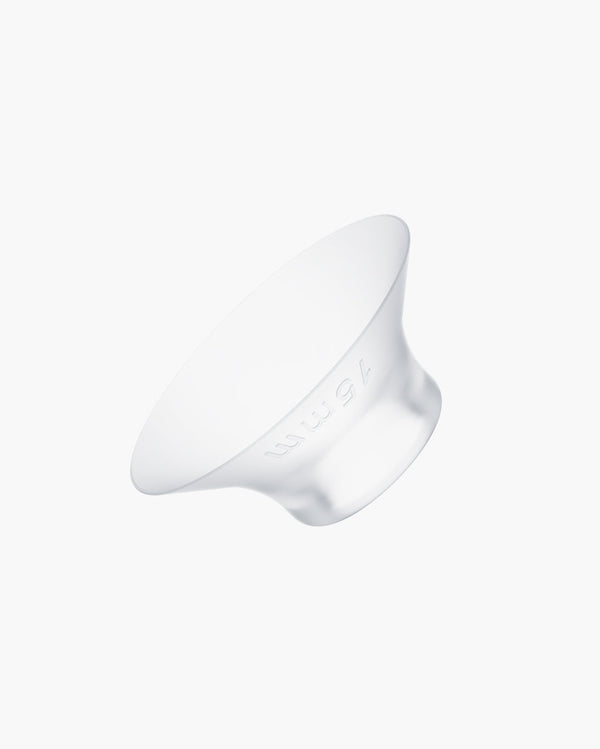
- Flange fit matters more than turning the dial up. The nipple should move freely in the tunnel without much areola being dragged in, and without rubbing. Highest comfortable vacuum, not the highest number on the box.
- Hands-on pumping: massage and compressions while the pump runs, so you can keep milk moving after the first sprays slow.
- Finish with a minute or two of hand expression when flow stalls. Hand expression also works for colostrum, or when there is no machine.
- A silicone milk collector can catch let-down on the other side. It is not a full empty, so it is a poor stand-in for frequent, effective sessions.
Do not judge the whole day by one thin bottle. Typical volumes sit in how much milk to pump. Cover the bottles with a sock if millilitres spike stress.
The hour-long cluster pattern is in the power pumping schedule. Exclusive pumpers need a 24-hour plan in the exclusive pumping guide.
After birth, after a C-section, and expressing before baby arrives
After birth, stimulation starts with frequent removal, including overnight, even when you are still making colostrum in teaspoons. Do not wait for “milk to come in” before you begin.
After a C-section, or if the first latch has to wait, hand expression and skin-to-skin when you can, still sends the message. Ask the ward team to show you hand expression rather than inventing a technique from a reel. If baby is in special care, express beside them when possible. A photo, a used muslin, and one overnight session still matter when you cannot stay at the cot.
Before birth, antenatal expressing is not a DIY way to start a full supply. Some UK maternity teams offer colostrum harvesting in late pregnancy if they think it is appropriate for you. Timing and whether you should do it at all is a midwife decision, especially if you have been told to avoid nipple stimulation. Use the same NHS expressing page as context, then follow the plan your team gives you. Induced lactation when you have not been pregnant belongs with an IBCLC or specialist service, not a home protocol from this article.
Warmth, massage, and keeping extra sessions going
Extra sessions fail when oxytocin never arrives. Cold kitchens, air-con offices, and flanges from the fridge are common reasons for let-down stalling in the UK. The trick is a short warm pass and a calm start, not a long, deep “unblocking” massage.
The same Sussex leaflet suggests getting cosy and warm before you pump, and notes that a warm flannel and massage while expressing can help milk flow. That is comfort so emptying can happen. It is not a promise of more millilitres, and it is not treatment for a hot, red, or inflamed breast. Stop if it hurts.
- Warm the breast briefly: a clean flannel, a shower, or holding a mug (not scalding) near the skin. Then latch or put the flange on.
- Gentle massage toward the nipple to start flow. No digging. No vibrating gadgets on a red, hot breast.
- Start the pump in a light, faster stimulation pattern, then move to expression once you see sprays or a swallow change.
- If a work-room kettle run is unrealistic, a warm flannel in a flask still counts. Finish a shorter session rather than skipping it.
Do foods and herbs actually help?
No food is a reliable, clinically proven way to boost supply. Oats, nuts, and “lactation teas” show up in searches because they are comforting breakfast habits, not because they replace emptying.
Eat enough that you are not running on toast. Drink when you are thirsty. NHS Eat well guide is ordinary, balanced food, not a 'galactagogue' menu. Emptying still does the supply job; a biscuit will not make up for skipped feeds. Check with a pharmacist, midwife or GP before herbal capsules such as fenugreek.

When extra help is needed
Get a feed or an expressing plan in place if baby is not gaining as expected, wet nappies are few after the first days, baby is very sleepy and hard to feed, jaundice is worsening, or you have a painful, red, hot breast or feel flu-like. Those are clinical problems, not a DIY fix.
Start with your midwife, health visitor or infant feeding team. The National Breastfeeding Helpline (0300 100 0212) is staffed by trained volunteers. For urgent worry, use NHS 111, your GP, or 999 if baby is seriously unwell. Medicines sometimes used for supply, including domperidone, are a GP or specialist decision. Do not copy a dose from a forum.
Any milk you can give still counts. Combination feeding is not a moral failure. If you need a 24-hour expressing pattern while you wait for that appointment, a flexible pumping schedule is more useful than a second search at 3 a.m.
Shopping notes (kit, not a supply plan)
Extra sessions still need two simple things: a method for effective milk removal, and a short warm start so let-down is not fighting a cold kitchen. A flask flannel and a pump you already have — including an NHS-hire breast pump — cover that. Buying a new gadget is optional.
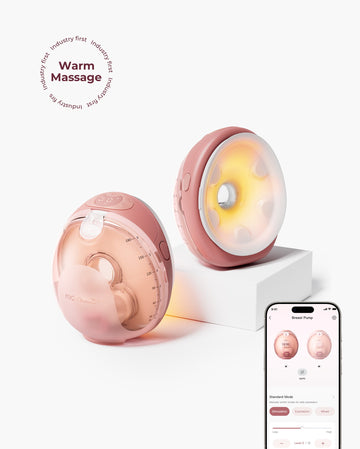
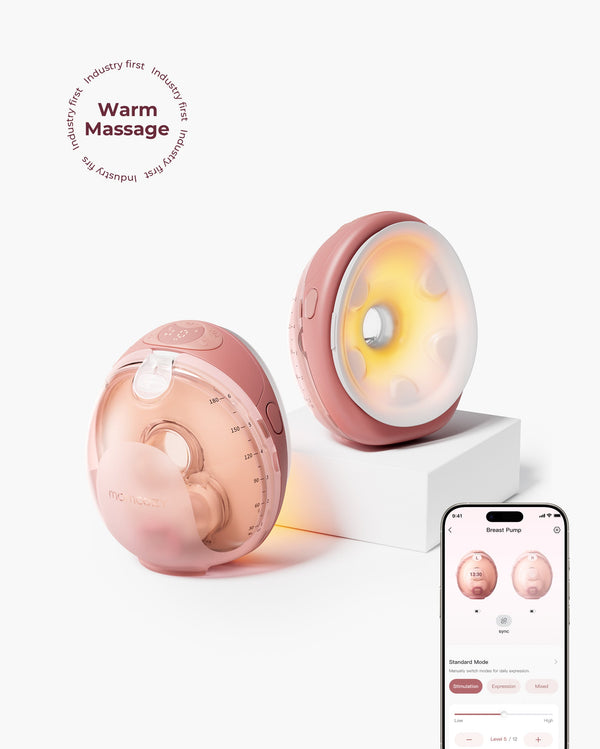
If you want a shopping example that puts warmth into your session, Momcozy Wellness 1 is our warm-massage wearable. Wraparound warmth sits at 37°C, 39°C or 41°C while you pump, so you are not juggling a kettle and a separate machine. That is kit for extra sessions you already planned. It is a brand option, not medical guidance, and it does not replace frequent emptying.
Fair limits: Wellness 1 is heavier than slimmer cups, and warm-massage mode uses the battery faster (about six sessions versus about ten in standard pumping). It will not stand in for a multi-user hire pump while you are still building, and it is not a substitute for proper nutrition or your body’s natural hormones.
FAQ: Quick answers
Does pumping actually increase supply?
It can, when the session actually removes milk. The pump is extra demand, not a hormone pill. If fit is poor or you stop at the first drip, the message to make more is weak. Pair pumping with feeds if baby can transfer, rather than swapping one for the other without a plan.
How often should you pump if you are building supply?
If you are building, many UK leaflets aim for roughly 8–12 empties in 24 hours, including overnight. That is a starting range, not a rule. Your infant feeding team may set a different number. More short sessions often beat one long one you dread.
How long should each pumping session last?
Stay until sprays slow, then a few extra minutes if you can tolerate it, so a second let-down can start. There is no prize for 40 minutes of pain. If you get almost as much in ten minutes as in twenty, shorter and more often can be kinder.
Do any foods actually increase supply?
None with solid proof that they replace the need for effective milk removal. Porridge and a mug of water help because you are feeding yourself, not because oats are magic. Herbal teas and fenugreek stay anecdotal. Ask a pharmacist or GP before capsules.
Can you express colostrum before the baby arrives?
Only if your maternity team agrees antenatal expressing is appropriate. It is usually a late-pregnancy, supervised plan for colostrum, not a way to fill the freezer. If you have been told to avoid nipple stimulation, do not start at home.
Can you make milk if you have not been pregnant?
Induced lactation is a specialist process. It is not a weekend protocol from a blog. Talk to an IBCLC or a service used to adoptive and co-parent feeding. This page will not walk you through hormones or pumping calendars for that job.
Does a silicone milk collector count as emptying?
It can collect let-down, especially on the other side during a feed. That is useful milk. It is not the same as emptying. If you need more production, you still need frequent, effective removal with baby, hand expression, or a pump that actually removes milk effectively.
Which hormones are involved in making milk?
Prolactin is the main milk-making hormone. Oxytocin handles let-down, so milk can leave. Night feeds sit in the prolactin story; warmth, skin-to-skin and a calm start sit in the oxytocin story. You need both things, not a supplement labelled for one of them.
Conclusion
Keep emptying often and well, including at night, and express when baby cannot transfer. Skip the magic-food story. If nappies or weight still worry you, get a feed watched. A session you actually finish beats one you abandon on the work-room chair.