Most mums who end up exclusively pumping did not tick it on a birth plan. The baby would not latch, feeding hurt, or a neonatal unit asked you to express while your baby was too small to nurse. You are not on the wrong road. You are on the one that still gets your milk to your baby.
Exclusive pumping means all the milk is removed with a pump or by hand, then fed by bottle or tube. You can exclusively pump and not feed at the breast. The baby still receives human milk.
If expressing is painful, your baby is not transferring milk, or you are worried about weight gain, speak to your midwife, health visitor or GP. You can also call the National Breastfeeding Helpline on 0300 100 0212.
Key Takeaways
- Exclusive pumping means your baby gets your milk without feeding at the breast.
- In the early weeks, an exclusive pumping schedule is about 8 to 12 sessions in 24 hours, including at least one overnight.
- Start with hand expression while you still have colostrum, then a double electric or a hired hospital-grade pump to establish supply.
- A wearable pump helps once supply is stable. It is not usually the only pump in week one.
- Drop sessions slowly when you stop. Sudden stops make engorgement and blocked ducts more likely.
How Does Exclusive Pumping Work?
Exclusively pumping, or exclusive expressing, is simple on paper. You remove milk from the breasts and your baby drinks it another way. The pump takes milk away so your body makes more. Can you exclusively pump and not breastfeed? Yes. Plenty of families never get a comfortable latch and still feed only human milk for months.
Most mums did not choose this from a menu — latch failed, feeding hurt, the baby was premature or unwell, or feeding at the breast is not right for them. Your baby still gets human milk. Another adult can do a night feed. Some mums feel more in control than with a latch that kept failing.
It also takes hours, and you can still get sore nipples, blocked ducts or mastitis. Some people feel grief for the feed they wanted. If latch is the only issue, ask for skilled help before you decide this is permanent. La Leche League GB will still welcome you if expressing is how you feed.
Frequent removal in the first days helps switch on supply. That is why neonatal teams fuss about expressing early, even when volumes look tiny. The hidden load is real: pump, wash, label, sterilise. As The Breastfeeding Network puts it, exclusive expressing can feel like the hard parts of both feeding methods rolled into one. Some mums batch-wash bottles and pump parts in a machine such as the KleanPal Pro. It will not pump for you — but it does cut the washing.

When to Start Pumping If You Are Exclusively Pumping
If your baby cannot feed at the breast, start expressing as soon as you reasonably can after birth. Neonatal units often want the first expression within one to six hours. Follow the unit if their timing differs.
For the first day or two, hand expression is usually better than a pump. Colostrum comes in sticky drops. A flange just smears it. As volume rises and the milk starts to spray, introduce a pump.
If you planned exclusive pumping from birth, match a newborn's rhythm — frequent sessions, including night, not a relaxed twice-a-day start. If you switch later after latch problems, get feeding support first, then match pump frequency to how often your baby actually needs milk.
Do not use a pump while you are still pregnant unless your midwife has specifically talked you through antenatal colostrum collection. From about 36 to 37 weeks, some mums are shown how to hand-express colostrum if it is safe for them. Stop and get advice if you feel contractions.
How to Exclusively Pump
The best way to exclusively pump is frequent, comfortable milk removal with a flange that fits, not the highest suction number on the box. Double pumping cuts the time in half compared with one breast then the other. That matters when you are doing this eight times a day.
A typical session:
- Wash your hands. Assemble clean parts. Sit where you can actually relax for 15 to 20 minutes.
- Centre the nipple in the tunnel. Start on the lowest setting. If your pump has a stimulation mode, use the faster pattern first.
- When milk flows, switch to a slower, deeper expression pattern if you have one. Increase suction only while it still feels like a pull, not pain.
- Use gentle compressions or a warm cloth if let-down is slow. A photo of your baby, or the baby on your chest, helps more than staring at the bottle.
- When the spray slows, give it another few minutes or finish with a little hand expression. Stop if it hurts.
Spare collection sets make nights less grim. You are not assembling valves at 2 a.m. if the kit is already sitting there. A hands-free pumping bra holds the flanges so you can hold the baby instead of the bottles.
Feed the milk with paced bottle feeding: hold your baby more upright, keep the bottle nearer horizontal, and pause often. UNICEF Baby Friendly guidance on paced feeding helps stop a hungry newborn being force-fed the milk you worked hard to express. If flange size or pump type is still confusing, our breast pump selection guide walks through fit and features step by step.

Exclusive Pumping Schedule
In the early weeks, an exclusive pumping schedule looks a lot like a newborn's feeding pattern: about 8 to 12 sessions in 24 hours, every two to three hours, with at least one overnight session. Many parents manage one longer stretch of four to five hours at night if supply holds. Do not drop the night work in month one just because you are tired. Prolactin is often higher between about 1 a.m. and 5 a.m.
Use this as a starting grid, not a law. Your storage capacity is not the same as the person in the Facebook group.
| Stage | Sessions in 24 hours | What this often looks like |
|---|---|---|
| Early weeks (to about 12-16 weeks) | 8-12 | Every 2-3 hours, including at least one night session, often 2 a.m.-5 a.m. |
| After supply settles | 6-8 | Slightly longer gaps. Some parents cannot drop without losing volume. |
| Later months | 4-6 | More flexible around solids and daily life, if output still meets need. |
A sample clock for the early weeks: 6 a.m., 9 a.m., 12 p.m., 3 p.m., 6 p.m., 9 p.m., 12 a.m., 3 a.m. Shift it to your baby's wakes if you can. Many people see the largest volume first thing in the morning. Sessions usually last 15–20 minutes, or until flow slows plus a few extra minutes. Frequency beats one heroic hour-long sit.
Worried you are not making enough? Read how much milk to pump for rough daily volumes. A term baby between one and six months might take around 750 ml over 24 hours — a guide, not a target. Your midwife or health visitor can tell you what looks right for yours.
Once supply feels steady, try stretching overnight first. Wait three to four weeks, then drop one daytime session. Keep a simple log. If your 24-hour total drops and stays down, add that session back in.
What Is the Best Pump for Exclusive Pumping?
The best breast pump for exclusive pumping is the one that empties you comfortably, eight-plus times a day, with parts you can replace without a wait. Power on the box is a poor substitute for fit and a motor that still works in week twelve.
To establish supply, especially after a difficult birth or a neonatal stay, many midwives and LLL Leaders still suggest hiring a hospital-grade double electric first. Ask your trust, NCT or the Association of Breastfeeding Mothers — some units loan one, and hire often runs about £35 to £55 a month. The pumps on our higher-output personal range are for you to keep at home; they are not the shared machines you would use on a ward.
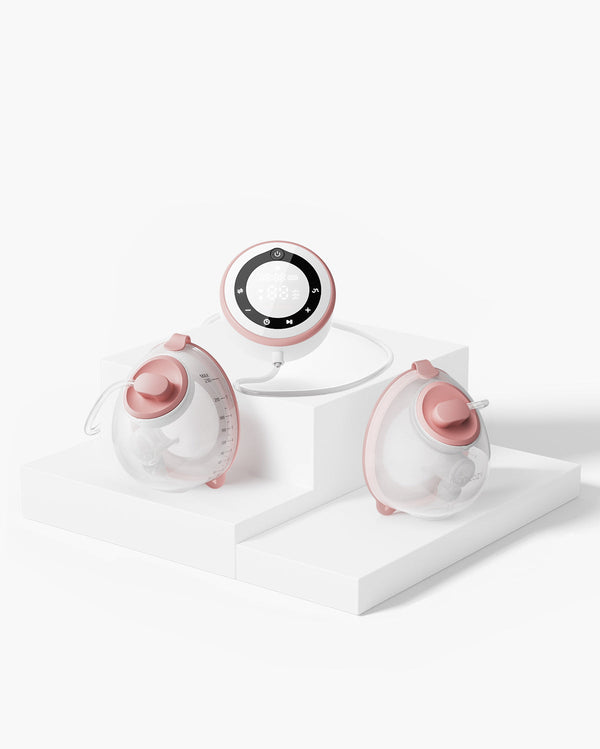
Once you are pumping regularly at home, a reliable double electric with spare parts you can actually buy when a valve splits is what most mums lean on. If your sessions will mostly happen in one room, have a look at our electric range.
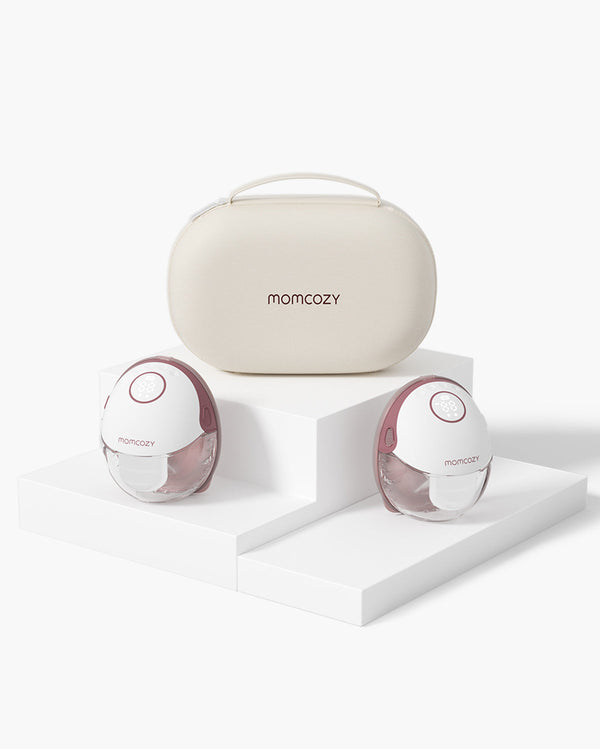
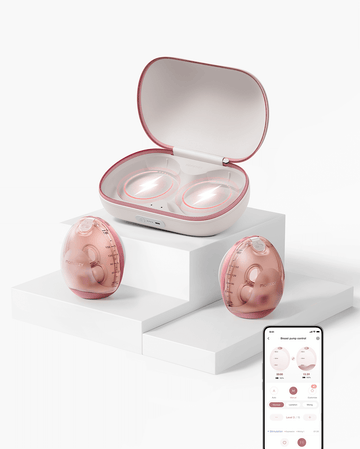
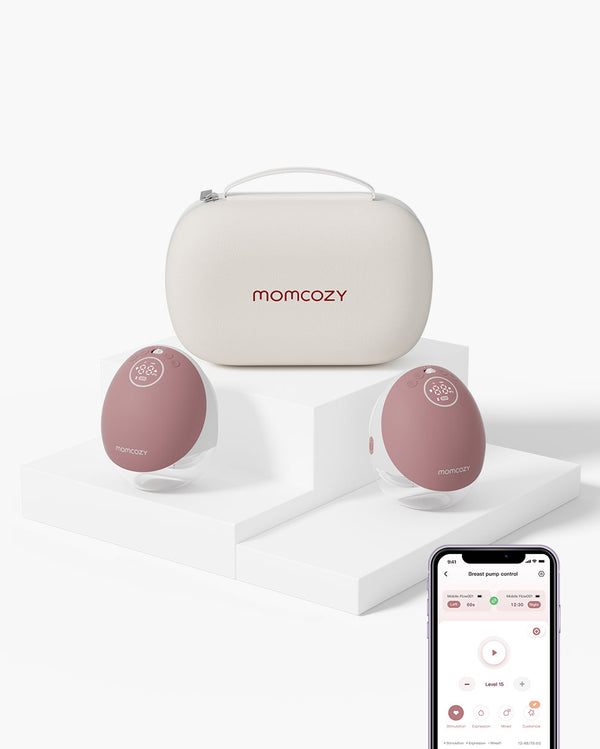
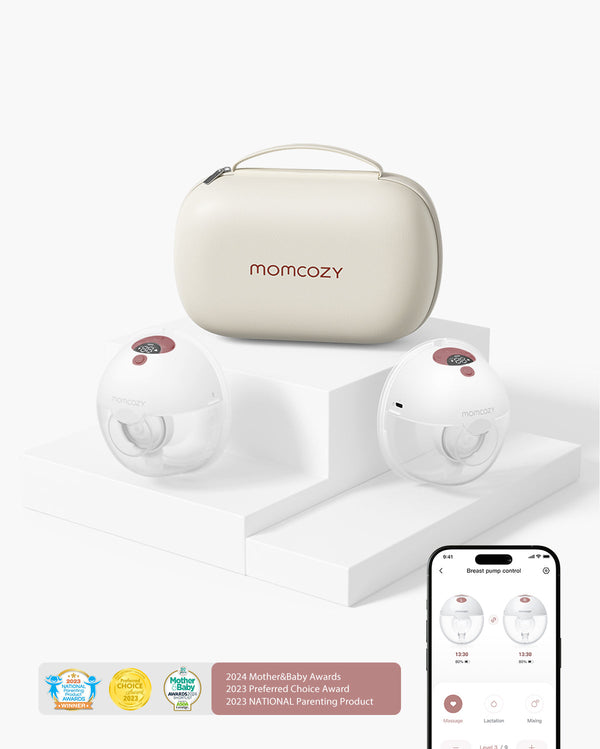
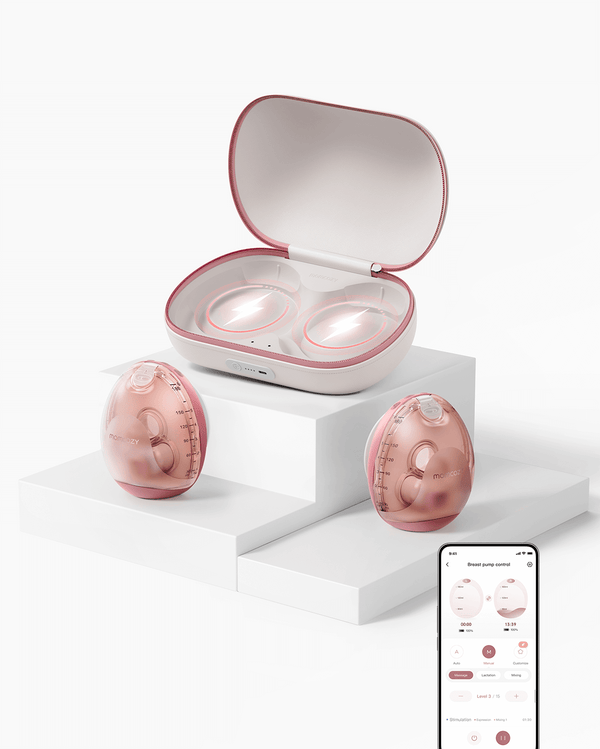
Wearables come into their own when supply is already there and you need your hands back — for a toddler, a commute, or a desk. NHS infant-feeding advice is worth listening to here: wearables are usually not strong enough to build supply from scratch in those raw first weeks. After that, mums who pump often at home sometimes like the quieter Mobile Flow M9. The Air 1 sits flatter in your bra for on-the-go sessions later on. The M5 Smart is another option once your routine is predictable. None of them replaces a hired hospital pump in neonatal week one. Browse wearable breast pumps or read our guide for busy mums if you want to compare.
Member price
From£99.99Code Save 15%
Label every bag with date and time. Storage bags save you from fridge guesswork. Keep a manual pump as a backup, not your main plan. Output dipping? Check flange fit and valves first — our troubleshooting guide covers the usual fixes. Returning to work? See our working-mums pump guide and price guide.
Can Exclusive Pumping Increase Milk Supply?
Exclusive pumping can help maintain supply when milk is removed often and properly — but nobody can promise a fixed amount. More sessions, a flange that actually fits, and breasts that are emptied properly usually beat any new gadget.
Before you buy anything extra, check the unglamorous stuff: flange too big or too small, cracked valves, pain that makes you tense, sessions you keep cutting short. Milk keeps being made between pumps — read how long breasts refill if that helps you trust the process. You are never truly empty.
Power pumping mimics cluster feeding. A common pattern, used for a few days not as a lifestyle, is:
- Pump about 20 minutes
- Rest 10 minutes
- Pump 10 minutes
- Rest 10 minutes
- Pump 10 minutes
Some mums try that once a day for three to seven days. It does not work for everyone. If output or your baby's weight is a worry, talk to your midwife or a breastfeeding counsellor before you change your routine. Eating well and resting when you can helps you cope. It does not replace frequent, effective milk removal. If output keeps falling or your baby is not gaining, call your midwife or GP — that is not something to solve with a new pump alone.
Breast Engorgement When You Are Exclusively Pumping
Engorgement on an exclusive pumping schedule usually means a missed session, a gap you stretched too far, or a wean that went too fast. The breasts feel hot, hard, shiny. Pumping or hand expressing to comfort helps. If you are trying to reduce supply, you do not have to drain to empty every time. Take the edge off, then stop.
Fever, flu-like aches, or a red painful wedge on the breast is not a flange problem. Same-day call to your GP, midwife or NHS 111. Do not power through that with a higher suction setting.
How to Stop Exclusively Pumping
Stop gradually. Your breasts need days and weeks, not one skipped night.
- Pick one session to shorten by a few minutes every couple of days, or stretch the gap between two sessions slightly.
- Wait a few days. If you are sore, leaking heavily or getting lumps, slow down.
- Drop one session only when the others still keep you comfortable. Repeat.
- Keep going until you are at one short session, then stop. Use pads for leaks.
If you have to stop suddenly, express only to comfort. Guilt is common. Stopping is not a failure.
Going back to work but not ready to stop feeding your milk? Working-mum expressing essentials can help you settle into a smaller daytime schedule.
FAQ: Quick Answers to Common Questions
What is exclusive pumping?
Feeding your baby only expressed milk, without latching at the breast. The milk still comes from you; the delivery method is different.
Is exclusively pumping harder than breastfeeding?
Often, yes — you carry the pumping, washing and scheduling load without the shortcut of direct feeding. Many parents still choose it when latch or medical reasons make the alternative harder.
How often should you pump if exclusively pumping?
About 8–12 times in 24 hours in the early weeks, including overnight. Later, some parents drop to 6–8 if volume holds.
Can you exclusively pump and not breastfeed?
Yes. Your baby can receive only expressed human milk.
How long should an exclusive pumping session last?
Usually 15–20 minutes, or until flow slows plus a few extra minutes. Stop if it hurts.
How do I stop exclusive pumping without getting engorged?
Shorten sessions or stretch gaps over days. Express only to comfort if you overshoot. Call your GP or midwife if you feel unwell or see a red wedge on the breast.
Summary
Exclusive pumping is a valid way to feed. For most mums it is unplanned. It only works as a system: a schedule you can live with, a flange that fits, a pump that actually empties you, and someone to call when it hurts.
Early weeks still mean about 8 to 12 sessions in 24 hours. If you can, hire a hospital-grade double pump to establish supply — your trust, NCT or the Association of Breastfeeding Mothers can point you to local hire. A wearable from our wearable range is for later, when you need your hands free. Still choosing between types? Our selection guide compares fit, noise and day-to-day use.
If you are worried about supply, pain or your baby's weight, put the shopping tab away for now. Call your midwife, health visitor or the National Breastfeeding Helpline. NHS guidance on expressing is a solid place to start. If you are on a neonatal unit, follow whatever protocol your team gives you.