Back pain after C-section can take the shine off those first weeks at home. Many new mums are surprised by how much their lower back aches while the wound heals and newborn care begins. This guide explains common causes — including back pain after spinal block C-section worries — how long symptoms usually last, and practical ways to ease the load so you can focus more on your baby.
Is back pain normal after a C-section?
Yes. Some degree of backache after caesarean birth is common. Research summarised in clinical literature suggests that up to 70% of people who have a C-section report back pain during recovery. Discomfort can range from mild soreness to a more stubborn ache, usually from a mix of pregnancy changes, surgery and early postnatal strain rather than one single cause.
What are common causes of back pain after a C-section?
It is rarely just one trigger. Several issues often stack together and create back pain after C-section.
Lingering pregnancy hormones
During pregnancy, hormones such as relaxin loosen ligaments and joints, especially around the pelvis, to help birth. Those effects do not vanish overnight. For weeks or months, joints can feel less stable, so your back works harder and strains more easily.
Posture changes
Pregnancy often increases the curve in your lower back as your centre of gravity shifts forward. After birth, that centre shifts again suddenly. Abdominal muscles that normally brace the spine are weaker from pregnancy and the caesarean incision. Add bending, lifting and feeding, and back muscles take extra load.
The C-section procedure itself
A caesarean is major abdominal surgery. The incision goes through layers of tissue and reduces core support — the “natural corset” for your spine. Back muscles often overcompensate, becoming tired and sore. Healing around the wound can also create local tightness that you feel as back discomfort. As scar tissue forms, some women notice pulling or stiffness that affects how they stand and move; if that persists, a women’s health physiotherapist can advise on gentle scar care. This is general information, not a diagnosis — follow your own clinician’s advice.
Back pain after spinal block C-section (and epidural soreness)
Pain relief for caesarean birth often uses a spinal block or epidural. Temporary soreness, bruising or muscle twinges at the needle site are common for a few days — sometimes a little longer. This back pain after spinal block C-section pattern is usually different from the deeper muscular ache driven by posture and newborn care. Worries about long-term spinal anaesthesia effects are understandable, but ongoing backache is more often linked to hormones, core weakness and daily strain. Some research on whether neuraxial anaesthesia itself drives lasting pain is mixed; treat persistent pain as a reason to get assessed rather than assume it is “just the spinal.”
Daily baby-care strain
Newborn care is physical: lifting from the cot, car seats, twisting to feed, and long holds. With a healing core and little sleep, tired muscles are easier to strain — which can start or worsen back pain after C-section.
Weakened core and pelvic floor
Pregnancy stretches abdominal and pelvic floor muscles; surgery can weaken core support further. These groups help posture and spinal stability. When they are under-recruited, the back carries more load. External support such as a postpartum belly band can give a steadier feeling while you rebuild strength with clinician-approved rehab.

How long does back pain after C-section last?
So how long does back pain after C-section last — and how long does back pain last after C-section in real life? Timelines vary. Some mums improve within a few weeks as healing and strength return. Others still ache for months if posture, core weakness or lifting habits are not addressed.
Influences include how severe the pain is, your health before and during pregnancy, how gradually you rebuild activity, and whether you get physiotherapy when needed. Acute surgical discomfort and injection-site soreness usually settle relatively quickly; the muscular ache from posture change and motherhood demands can last longer. UK physiotherapy guidance also notes that caesarean recovery generally takes several weeks and often longer than after a vaginal birth — pacing matters.
How to relieve lower back pain after a C-section
There is a lot you can do to ease back pain after C-section. Be gentle, build slowly, and combine support gear with smarter movement.
Supportive gear
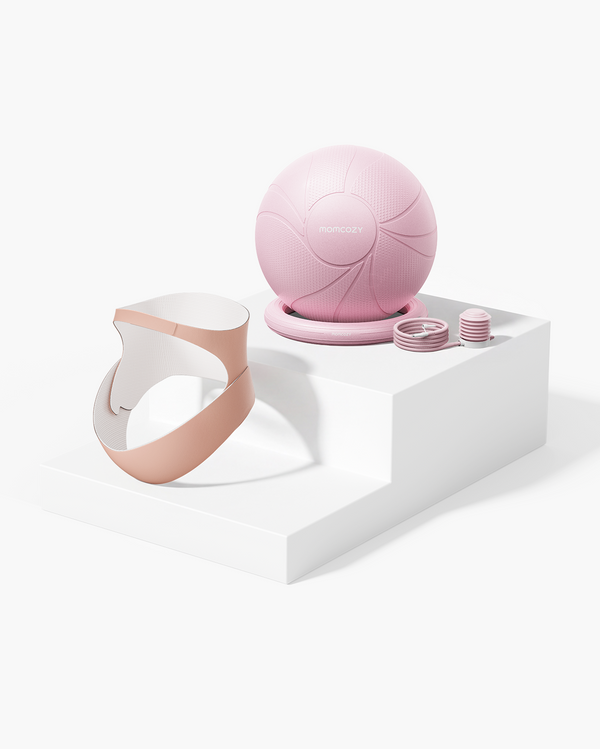
Some new mums find a postpartum belly band or back-support wrap adds stability in the early weeks. Unlike wraps that only aim to cinch the waist, the Momcozy Ergowrap Postpartum Belly Band is designed for postpartum support with meaningful lower-back help — not tummy shaping alone — to reduce back pressure as you heal. It comes in multiple sizes for different body types, including plus-size options, so you can aim for a firm yet gentle fit that spreads load across the lower back.
Postpartum
Support
Comfort
Effectiveness
Check your mattress and pillows. A supportive mattress helps. For sleep, try a pillow between your knees on your side, or under your knees on your back.
Choose soft, non-restrictive underwear around a healing incision. Options such as Momcozy Bamboo Pregnancy Postpartum Panties are described as soft, breathable and accommodating for recovery.
Start with gentle movement
Once your midwife or doctor says it is OK (often within a few days), begin very easy movement. Short, slow walks around the house in comfortable clothes — including soft postpartum underwear that will not rub the wound — can make early steps more bearable. Avoid strenuous effort; light activity usually helps stiffness. Build distance and frequency gradually.
UK sources such as the Pelvic Obstetric & Gynaecological Physiotherapy (POGP) caesarean recovery advice emphasise early gentle mobility, pelvic floor work when comfortable, and avoiding lifts heavier than your baby for about the first six weeks unless advised otherwise. The NHS caesarean recovery page is also a useful reference for pacing and when to seek help.
Low-impact core support
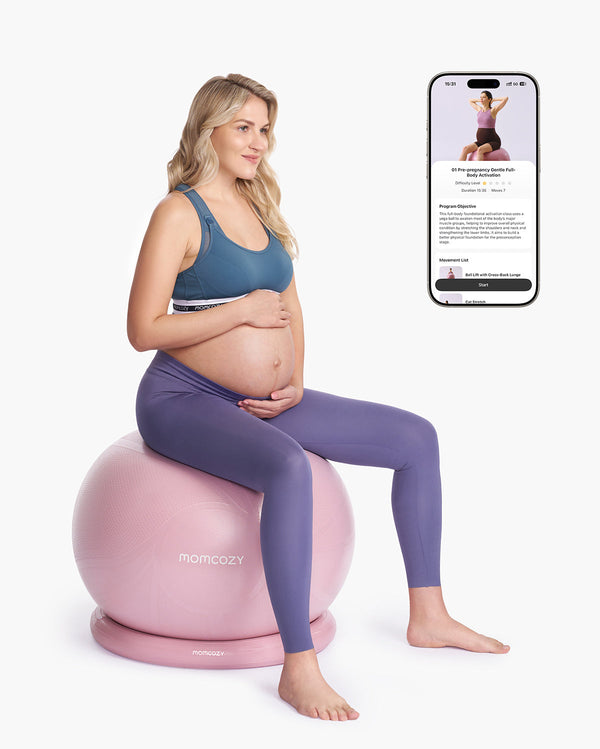
As you progress and with clearance, gentle pelvic tilts and seated bounces on the Momcozy BirthEase Maternity Ball Set can help. This anti-burst, anti-slip ergonomic ball offers a stable base (supporting up to about 150 kg / 330 lb) for re-engaging core muscles without hard floor work. Expert-led postnatal recovery videos on the Momcozy App are designed to support safer movement and ease lingering back pressure after caesarean birth.
Anti-Burst Design
Stability Base Included
Guided Training Program
Posture and everyday movements
-
Lifting your baby: Bend your knees, keep your back long, gently draw in your tummy, and use your legs. Keep baby close to your body.
-
Feeding: Whether breastfeeding or bottle-feeding, use pillows (such as a nursing pillow) to bring baby up to you so you are not hunched. Support your back in a good chair; keep feet flat or on a small stool.
-
Carrying: Once cleared, a well-fitted carrier that spreads weight evenly can help. If holding in arms, switch sides often.
Heat and cold
A heat pad on sore back muscles can help them relax. A cold pack may ease sharper, swollen discomfort. You can alternate. In the very early surgical days, some clinicians prefer cold near inflamed areas — follow your maternity team’s advice, especially around the wound.
Pain relief medicines
Simple options such as ibuprofen or paracetamol (acetaminophen) may help. Always check with your midwife, GP or pharmacist what is safe for you, particularly if you are breastfeeding.
Women’s health physiotherapy
If back pain after C-section is severe or not settling, ask about a women’s health / pelvic health physiotherapist. They can assess posture and core, teach safe exercises, and use hands-on care when appropriate. Physical therapy after caesarean is widely discussed as a way to improve recovery outcomes when home care is not enough.

How to sleep in bed after a C-section
Rest is part of healing, even when night feeds make it hard. For back comfort in bed:
- Sleep on your side with a pillow between bent knees to keep the spine more neutral.
- Or sleep on your back with a pillow under your knees to reduce lumbar strain.
- When getting out of bed, roll onto your side and push up with your arms — avoid sitting straight up using your tummy muscles.
POGP-style advice also highlights comfortable resting positions and the side-roll method for getting up after caesarean. Prioritise naps when you can; tired muscles guard and ache more.
When to see a doctor about back pain after C-section
If you are worried, or red-flag symptoms appear with your backache, contact your midwife, maternity triage or GP. Seek review if you notice:
- Severe or worsening back pain that does not improve with home care
- Pain radiating down a leg, or numbness, tingling or weakness in the legs or feet
- Fever, chills, or signs of wound infection (redness, swelling, pus, warmth) with back pain
- Loss of bladder or bowel control — this is an emergency
- Back pain with burning when you pass urine, or blood in the urine
- Pain so intense you cannot care for yourself or your baby
Trust your instincts. If something feels wrong, get checked.
Frequently asked questions
Does spinal anaesthesia cause back pain after a C-section?
It can cause temporary soreness at the injection site. Longer-lasting backache is more often tied to hormones, posture, weak core muscles and newborn care than to the anaesthetic alone. If pain after a spinal block is severe, spreading into the legs, or paired with fever or bladder changes, seek urgent care.
How should I sleep after C-section to relieve back pain?
Side-lying with a pillow between your knees, or on your back with a pillow under your knees, usually feels kinder on the lumbar spine. Get up by rolling to your side and pushing with your arms rather than crunching forward.
Can a C-section cause long-term back pain?
Sometimes, especially if core weakness, poor posture or muscle imbalance continue. If back pain after C-section lasts more than a few months despite sensible home care, see your GP or a women’s health physiotherapist for a tailored plan.
Look after yourself while you look after baby
Experiencing back pain after C-section is a tough part of recovery — your body has grown a baby and then undergone major surgery. With clear causes in mind, gentle relief strategies, smart sleep habits and timely professional help when needed, most mums can ease the ache and reclaim more comfortable days. Be kind to yourself, protect the wound as you rebuild strength, and ask for support early rather than pushing through red-flag pain.