A softer or more rounded lower tummy after having a baby is common, and it does not always have one cause. Pregnancy stretches the abdominal wall, changes posture, and can leave the two sides of the abdominal muscles separated for a while. Body fat, loose skin, scar tissue and pelvic-floor recovery can also affect how your middle looks and feels.
So, how to get rid of mum pouch depends on what is contributing to it. For many mums, the useful starting point is gradual recovery, gentle core and pelvic-floor work, regular movement, balanced eating and enough time for the body to heal.

Mommy Pooch: What Is It?
“Mum pouch”, “mum tum”, mom pooch and mommy pooch are informal names for the lower-belly fullness or softness that can remain after pregnancy. They are descriptions, not medical diagnoses.
Several things can contribute at the same time. The abdominal wall has stretched to accommodate pregnancy, and the connective tissue between the two sides of the rectus abdominis may remain widened. This is called diastasis recti or abdominal separation. Skin can also remain looser, body-fat distribution can change, and a caesarean scar may affect the shape of the lower abdomen.
According to current NHS guidance on the post-pregnancy body, abdominal separation is common during pregnancy and usually reduces after birth, although some women continue to have a noticeable gap and may benefit from physiotherapy.
This is why treating every postpartum belly as “stubborn fat” can lead you in the wrong direction. A workout designed only to burn calories will not address abdominal separation, while endless ab exercises will not selectively remove fat or loose skin.
What Causes Mum Tum?
A postpartum tummy can reflect several changes rather than one single problem.
Stretched abdominal muscles and connective tissue are a major factor. Your abdomen expands throughout pregnancy, and it takes time for those tissues to regain strength and tension afterwards.
Diastasis recti can create a central gap, bulging or doming, especially when sitting up or performing movements that increase abdominal pressure. It is not the same thing as having excess belly fat.
Body-fat changes can also contribute. Pregnancy, activity levels, sleep, feeding demands and changes in routine can all affect body composition. Fat cannot be reduced from one specific area through targeted exercise alone.
Skin and scar tissue matter too. Skin that has stretched for months may not immediately return to its previous shape. After a caesarean birth, swelling and changes around the scar can make the lower abdomen look or feel different during recovery.
Finally, posture and core strength can change how the abdomen sits. Pregnancy shifts your centre of gravity, while looking after a newborn often involves feeding, carrying, bending and sitting in positions that place different demands on your trunk.

Mommy Pooch Exercises at Home
If you searched for a mom pooch workout or mommy pooch exercises, resist the urge to begin with intense crunches or high-impact routines. Early postpartum exercise should focus on rebuilding control and strength gradually. After an uncomplicated birth, gentle activities such as walking, stretching and pelvic-floor exercises can usually begin when you feel ready. More strenuous exercise may need to wait, particularly after a caesarean birth or complicated delivery.
Deep Abdominal Breathing
Lie on your back or side in a comfortable position. As you breathe out, gently draw the lower abdomen in towards your spine without holding your breath or forcing the movement. Relax fully before repeating.
This is a low-load way to reconnect with the deeper abdominal muscles before progressing to harder exercises.
Pelvic Tilts
With your knees bent and feet supported, gently activate the lower abdominal muscles and tilt the pelvis so the lower back moves slightly towards the floor or bed. Return to neutral without forcing the movement.
This can help you practise abdominal control while keeping the load manageable.
Pelvic-Floor Exercises
The pelvic floor and deep abdominal muscles work together to support the pelvis and trunk. Regular pelvic-floor contractions can be useful after pregnancy, particularly if you have experienced leaking, heaviness or reduced pelvic-floor control.
Walking
Walking is one of the easiest ways to rebuild general fitness. Start with a distance and pace that feel manageable, then increase gradually rather than jumping straight into long, fast walks.
Supported Gentle Movement
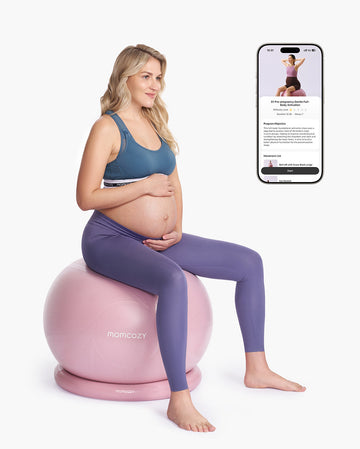
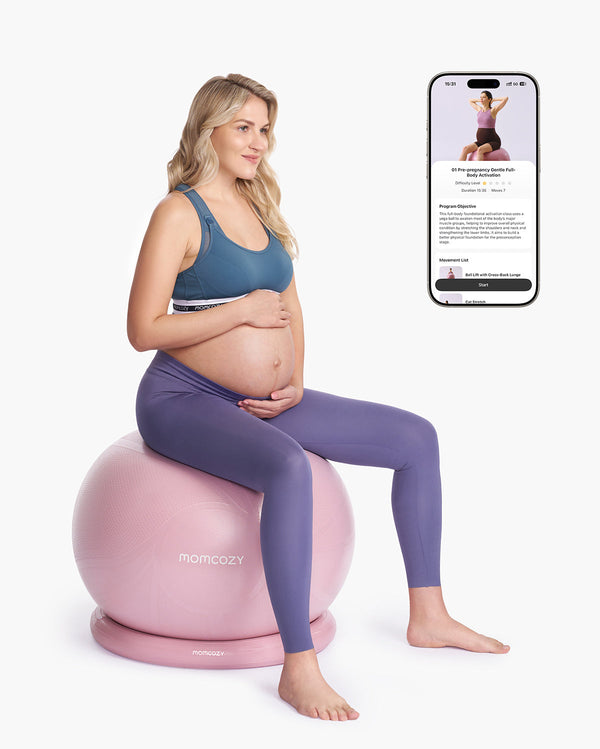
Once exercise is appropriate for your stage of recovery, a stability ball can provide another way to practise gentle seated movement, balance or mobility. The Momcozy BirthEase Maternity Ball Set includes guided movement content that extends into postpartum recovery, making it one option for mums who prefer supported, at-home movement rather than jumping straight into a demanding workout.
Whatever exercise you choose, stop or scale back if your abdomen visibly pushes outward or “domes”, or if you develop pain, pelvic heaviness, leaking or increased bleeding.

Member price
£74.99Code Save 20%
How to Get Rid of Mum Pouch: Things You Can Do
There is rarely one exercise that changes a postpartum belly. A better approach combines recovery, movement, nutrition and appropriate support.
Give Your Body Time to Recover
Pregnancy changes the abdomen over many months, so recovery is not expected to happen in a few weeks. Healing also differs after vaginal and caesarean births, and feeding, sleep and daily demands can affect how quickly you feel ready to exercise.
Build Core Strength Gradually
Start with movements you can control without bulging or straining, then progress as strength improves. If you have persistent abdominal separation, pain or difficulty controlling the abdominal wall, a pelvic-health physiotherapist can assess what is happening and give you an individual programme.
Move Regularly
Walking, gentle mobility and later low-impact exercise can support fitness and energy expenditure without relying on hundreds of abdominal repetitions. Regular activity also helps build the strength and stamina needed for carrying, feeding and caring for a growing baby.
Eat for Recovery as Well as Body Composition
If fat loss is one of your goals, aim for sustainable eating rather than crash diets or “postpartum detoxes.” Your body is still recovering, and breastfeeding mums also need enough energy and nutrients to support feeding.
For breastfeeding mums who are overweight, the NHS recommends a healthy, balanced diet alongside regular moderate exercise as a sensible approach to gradual weight loss. Avoid aggressive restriction, especially during early postpartum recovery.
Use Support for Comfort, Not as a Shortcut
Some mums like external abdominal support while their core is still recovering. The Momcozy Ergowrap™ Postpartum Belly Wrap is designed to provide abdominal compression and lower-back support during postpartum recovery.
A belly wrap can make everyday movement feel more supported, but it does not burn abdominal fat or replace progressive core rehabilitation. If you have had a caesarean birth, significant pelvic-floor symptoms or another complication, ask your midwife, GP or physiotherapist when compression is appropriate for you.
Get Pelvic-Health Support When Needed
If an abdominal gap remains obvious, you have persistent doming, back or pelvic pain, leaking, heaviness, or you are unsure how to do exercise, professional assessment is more useful than repeatedly trying harder at workouts. NHS pelvic-health guidance on diastasis recti advises speaking to your GP if a significant gap and visible bulging persist beyond the early postpartum period, as physiotherapy may be appropriate.

What to Avoid When Healing From Diastasis Recti
Diastasis recti does not mean you must avoid exercise altogether, but movements that repeatedly make the abdominal wall bulge or dome may be too demanding for your current level of control.
In the early stages, be cautious with:
- sit-ups and crunches that cause visible doming;
- double-leg lifts if the abdomen pushes outward;
- heavy lifting that you cannot control comfortably;
- high-impact exercise before your body is ready;
- holding your breath and straining through difficult movements;
- constipation and repeated straining on the toilet.
Current postnatal exercise advice from UCLH recommends stopping abdominal exercises that make the tummy push outward or dome and seeking women’s-health physiotherapy advice when needed.
This does not mean exercises such as planks or more advanced strength work are permanently off limits. The important question is whether you can perform them with good control at your current stage of recovery.
How Long Does It Take to Lose a Mom Pouch?
There is no reliable timetable for losing a mom pooch because the appearance may come from several different tissues and each recovers differently.
Abdominal separation often reduces during the first weeks after birth, while core strength can continue improving over months. Body-fat changes depend on nutrition, activity, sleep, hormones and individual physiology. Loose skin may continue changing for a long time and may not return completely to its pre-pregnancy appearance.
A useful goal is therefore progress rather than a deadline. You might first notice better abdominal control, easier movement, less doming or improved strength before the mirror looks dramatically different.
If your tummy still feels weak, painful or unusually prominent several months after birth, particularly if there is obvious separation or bulging, speak with your GP or a pelvic-health physiotherapist rather than assuming you simply need a tougher workout.

FAQs
Does Walking Get Rid of Mommy Pouch?
Walking can support fitness, recovery and gradual fat loss, but it cannot specifically remove fat from the lower tummy or correct every cause of a mommy pooch. It works best as part of a broader plan that includes appropriate core strengthening, balanced nutrition and time for postpartum recovery.
What Is the Fastest Way to Get Rid of Diastasis Recti?
There is no evidence-based “fastest” method. Start with exercises you can perform without doming or straining, rebuild deep abdominal and pelvic-floor control, and progress gradually. If the separation remains noticeable or causes symptoms, a pelvic-health physiotherapist can provide a more targeted programme.
Can Mommy Pooch Ever Go Away?
It can improve considerably for many women, particularly as swelling settles, abdominal strength returns and body composition changes. The final result depends on what is creating the shape, including muscle separation, fat, skin and scar tissue. Your abdomen may also look different from before pregnancy even when recovery is going well.
Can I Get Rid of My Mom Pooch Without Surgery?
Often, significant improvement is possible without surgery through recovery, movement, strength work and gradual body-composition changes. However, exercise cannot remove every degree of loose skin or repair every abdominal-wall problem. If you have a hernia, severe persistent separation or another structural concern, discuss your options with a qualified clinician.
Will My Lower Belly Ever Be Flat Again After Pregnancy?
It may become flatter as your body recovers, but no exercise programme can guarantee a completely flat lower belly. Genetics, pregnancy history, skin elasticity, abdominal separation, fat distribution and previous surgery all influence the result. A healthy postpartum body does not have to look exactly as it did before pregnancy.
Can Hot Water Reduce Belly Fat After Delivery?
No. Drinking hot water does not specifically burn belly fat or remove a mum pouch. Water is useful for hydration, but its temperature does not create targeted fat loss. Choose hot or cold water according to what feels comfortable.
What Should I Drink After Delivery to Reduce Belly Fat?
There is no special drink that removes postpartum belly fat. Water, milk and other nutritious drinks can support hydration, while overall diet and activity matter more for gradual weight management. If you are breastfeeding, the NHS advice on eating and drinking while breastfeeding recommends a varied, balanced diet and plenty of fluids rather than a special weight-loss drink.
A Stronger Postpartum Core Takes Time
Learning how to get rid of mum pouch starts with recognising that a postpartum tummy is not one single problem. Muscle recovery, diastasis recti, body fat, skin, posture and scar tissue can all affect the shape you see.
Focus first on healing and rebuilding function. Gentle core work, pelvic-floor exercises, walking, balanced eating and gradual progression can support that process, while a GP or pelvic-health physiotherapist can help when separation, pain or pelvic-floor symptoms persist. The goal is sustainable recovery and strength, not forcing your body to meet a fixed postpartum deadline.