Postpartum pelvic pain often catches new mums by surprise. You may expect a sore tummy and general recovery fatigue, yet not the dull ache, tightness or pressure that appears on walks, during nappy changes or when you roll over in bed. Pelvic pain after pregnancy is common — and more than a minor nuisance. It is your body’s way of signalling that joints, muscles or nerves are still settling after birth.
If you have been dealing with pelvic pain after birth, pelvic pain postpartum, or a heavy pulling sensation often described as vaginal pressure after having a baby, you are not alone. Below is what drives these sensations, when to seek help, and how to start healing safely and comfortably in a UK care context.
What is postpartum pelvic pain?
After childbirth, many women notice pain around the pelvis. It may feel burning, aching, stabbing or simply persistently sore. You might feel it while sitting, standing, or especially with postpartum pelvic pain when walking or climbing stairs.
Pelvic pain after pregnancy can involve joints, muscles or nerves. Some mums describe a bruised feeling; others feel a deep ache at the front of the pelvis or in the lower back.
At times the pain is mild and settles on its own. At other times — particularly when walking flares symptoms — recovery takes longer than expected.

What are the causes of pelvic pain after childbirth?
Pelvic pain after birth is more common than many people think. In pregnancy the whole pelvic area adapts to carry your baby; after delivery, everything needs time and gentle care to find a new baseline. Understanding the usual drivers can help you get the right relief.
Hormonal changes
One of the main drivers is the hormone relaxin. It helps ligaments loosen and stretch through pregnancy and birth. That flexibility supports delivery, but it does not switch off overnight. Afterwards, joints in the hips and pelvis may stay looser than usual. That instability can allow small shifts that feel uncomfortable — including sharp pelvic pain postpartum with certain movements.
Muscle fatigue and strain
The pelvic floor and surrounding muscles take a heavy load in labour. They may be overstretched, torn or simply fatigued. Discomfort can feel dull and heavy, and often worsens with standing or walking for longer periods — deeper and more lingering than ordinary post-workout soreness.
Nerve compression and irritation
A long labour or certain interventions can irritate or compress pelvic nerves. Pain may feel sharp, burning or tingling and can radiate into the inner thighs, lower abdomen or down the legs.
Trauma during delivery
Every birth is different. Forceps or vacuum assistance, perineal tears, episiotomy, stitches or significant swelling can slow pelvic healing and increase ongoing soreness.
What pelvic bone problems can happen after delivery?
Not all postpartum pelvic discomfort is purely muscular. Joints and bones can also be involved.

Pubic symphysis dysfunction (PSD)
PSD happens when the pubic symphysis — the joint where your two pubic bones meet at the front — separates more than usual under the strain of pregnancy and pushing. Symptoms include sharp or grinding pain at the pubic bone, especially when you lift one leg, walk or roll in bed. Some mums feel clicking or “wobbling.” A maternity pillow can help some people get more comfortable at rest.
Pelvic girdle pain (PGP)
PGP is a broader label for pain in the pelvic joints, hips, lower back and front or back of the pelvis. It often feels like a deep, dull ache that makes everyday movement tiring. It is common in pregnancy and can persist or return after birth if strength and support do not rebuild evenly. UK charities such as the Pelvic Partnership also emphasise that pregnancy-related PGP can continue after birth and is treatable — you do not have to put up with it indefinitely. Ask your midwife, GP or a pelvic health physiotherapist for personalised assessment.
Sacroiliac joint pain
The sacroiliac (SI) joints connect your spine and pelvis. When irritated or poorly supported, they can cause sudden pain in the hips, buttocks or lower back — easy to mistake for ordinary backache. Sitting for long periods or lifting your baby often makes it worse.
Tailbone (coccyx) pain
Some health sources also discuss bruising or strain of the tailbone after childbirth, especially after a fast or instrumental birth, with pain that flares when sitting. Individual cases differ and this is not a diagnosis. If sitting is severely painful, speak to your GP or maternity team.
What happens to your pelvic floor after birth?
Your pelvic floor is a sling of muscles supporting the bladder, uterus and bowel. Pregnancy and birth stretch these muscles; some mums also have tears, scars or temporary weakness. That helps explain leaking, heaviness or pelvic pressure after birth in the early weeks.
UK care often points you to pelvic floor exercises and, when needed, women’s health physiotherapy. The NHS page on your post-pregnancy body covers pelvic floor exercises and when to ask a GP or health visitor for help. This is general information — follow advice from your own midwife or GP.
How to relieve pelvic pain postpartum
Relief usually combines pacing, physiotherapy, clinician-advised pain relief and — where helpful — external support. Always check new exercises or devices with your midwife, GP or physiotherapist first.
Pelvic floor and women’s health physiotherapy
Pelvic floor physiotherapy helps many new mums recover more comfortably after delivery. This care focuses on the muscles that support your bladder, uterus and rectum — muscles that often lose tone or become strained in pregnancy and birth.
A licensed pelvic floor / women’s health physiotherapist can assess posture, movement and muscle control, then design a plan for you. Exercises are typically gentle and aim to:
- Restore muscle tone and flexibility
- Improve posture and reduce load on the lower spine
- Retrain deep core muscles without overloading them
- Ease vaginal pressure after childbirth
Some women notice change within a few sessions; others benefit from months of consistent work. Starting early with the right guidance matters. Ask your GP about NHS referral, or discuss private pelvic health physio if you need earlier access — waiting times vary.
Practical pacing tips from NHS physiotherapy education (for example shorter steps, careful stair climbing and rolling with knees together) can sit alongside formal therapy. See Oxford University Hospitals’ pelvic girdle pain advice leaflet for general education — it is not a substitute for personalised care.
Support products that can augment therapy
Physiotherapy is central, but external support can make daily comfort more manageable for some mums.
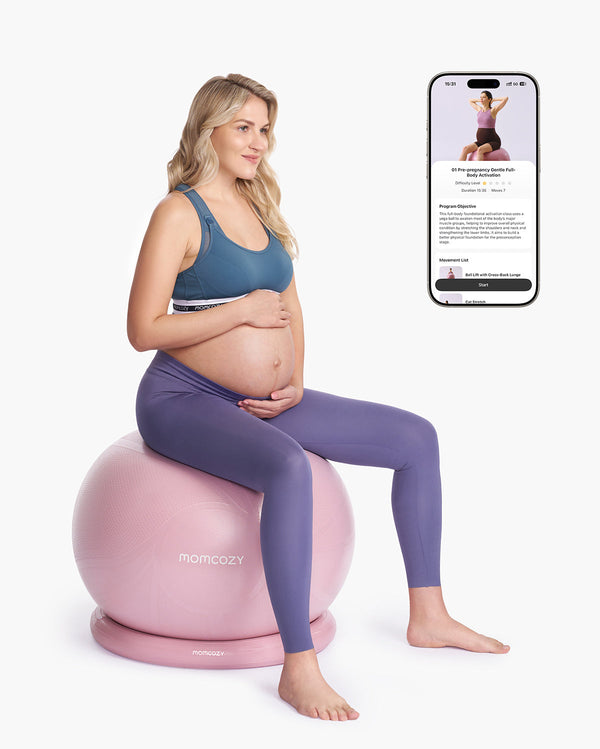
For guided, low-impact movement once your care team agrees it is appropriate, the Momcozy BirthEase Maternity Ball Set offers a guided journey from labour prep to postpartum. This anti-burst, 65 cm ergonomic ball provides a stable base for expert-led video workouts via the Momcozy App. It is designed to support prenatal comfort and help rebuild core strength as a functional companion to wearable recovery gear.
Anti-Burst Design
Stability Base Included
Guided Training Program
The Momcozy Ergowrap Postpartum Belly Band is engineered to aid recovery with gentle, breathable compression. It stabilises the pelvis and lower back, which can be useful if you are dealing with pelvic floor problems, diastasis recti or general postpartum achiness.
Postpartum
Support
Comfort
Effectiveness
Its 3D lift design supports the abdomen without harsh squeezing, and the construction is intended to feel comfortable while walking, breastfeeding or resting. That support can take some strain off muscles and joints so you feel more stable as you recover. After a caesarean or complex birth, wait for clinician clearance and follow product guidance before use.
Ice, heat and what to avoid
Ice can help bruising or swelling soon after birth. Heat often suits muscle tightness or joint stiffness. Avoid heavy lifting, rushing upstairs and long periods of standing when they flare symptoms — these loads can worsen postpartum pelvic pain when walking.
Could my postpartum pelvic pain be a symptom of something life-threatening?
Most pelvic pain after giving birth is part of healing. Seek medical care if:
- The pain is sudden, sharp or stabbing in a new or alarming way
- You have fever or abnormal vaginal discharge
- You notice a bulge in the vaginal area (which may be a sign of pelvic organ prolapse)
- You have numbness, tingling or weakness in your legs
These symptoms can relate to infection, nerve problems or structural issues that need timely review. Trust your instincts and contact your midwife, maternity triage line, GP or emergency services as appropriate.
How long does pelvic pain after birth take?
Recovery times vary. As a general framing used in this article:
- Mild pain often improves within 6–8 weeks
- Moderate pain can last 3–6 months, especially without targeted support
- Severe or persistent pain beyond 6 months needs proper investigation
Some NHS physiotherapy materials also note that many people with pregnancy-related pelvic girdle pain improve in the early weeks after birth. Those statements sit alongside — not instead of — the ranges above; individual recovery still differs. So pelvic pain 8 weeks postpartum does not automatically mean something dangerous, but it is a sensible point to raise at your UK postnatal check (around 6–8 weeks) or sooner if walking, sleep or mood are badly affected.
How long does pelvic pain last after giving birth? There is no single timeline for every mum. Delivery type, overall health, activity load and how soon you start appropriate therapy all influence recovery. Use the ranges above as context, then get personalised advice from your midwife, health visitor, GP or pelvic health physiotherapist.
Conclusion: don’t wait — treat pelvic pain postpartum today

If you have pelvic pain after birth, you do not need to grin and bear it. Early assessment can speed recovery and help you walk more comfortably again — whether the issue feels like pubic pain, pelvic pressure after birth, or sore hips after a long walk.
Talk to your GP or midwife about physiotherapy options. Get evaluated. And do not keep pushing through pain that returns every day. Your postpartum recovery should rebuild strength, not normalise constant pain.
FAQs about pelvic pain postpartum
Is it normal to feel vaginal heaviness after delivery?
Yes. Many women notice vaginal heaviness or pelvic pressure after birth in the early weeks from stretched pelvic floor muscles or swelling. Rest and gentle pacing can help. If the feeling worsens or you sense “something falling out,” contact your doctor to rule out prolapse.
What should I avoid if I have postpartum pelvic pain?
Avoid heavy lifting, rushing upstairs and long periods of standing when they flare symptoms. These can worsen postpartum pelvic pain when walking. Support belts or clothing may help daily tasks when used appropriately.
Can I apply ice or heat for pain in the pelvis after pregnancy?
Yes. Ice suits bruising or swelling soon after birth; heat often helps stiffness. Apply a warm compress over the lower back or pubic bone if comfortable, and protect your skin.
Do you have any recovery-supporting products or tools at home?
Yes. A pelvic support belt can steady the hips while you walk. Sitz baths ease soreness. A postpartum cushion can help some women when sitting. These supports can reduce pelvic pain after pregnancy while your body heals.
Should I worry about pubic bone clicking noises?
Not necessarily. Clicking can occur while the pubic symphysis is still lax after pregnancy. If clicking comes with sharp pelvic pain postpartum or makes walking difficult, speak to your doctor — it may need assessment and treatment.