Sharp stabbing pain on the right side after a C-section unsettles many new mums in the first postpartum days. Twinges often relate to normal healing of muscle, incision and nerves after major abdominal surgery. Understanding likely causes of right side pain after C-section, how long sharp pain usually lasts, and when to seek help makes recovery safer while you care for your baby.
This guide also covers pain on the right side of stomach after C-section, one side pain after C-section, pain in side after C-section, possible right side rib pain after C-section, and deeper internal pain after C-section — plus clear red flags drawn from NHS-style recovery advice.
What causes right side pain after a C-section?
Right side pain after C-section is common and usually tied to normal abdominal healing. Several factors can contribute:
-
Surgical healing and inflammation: A C-section cuts through skin, muscle and the uterine wall. Inflammation while those layers mend can feel sharper on one side.
-
Nerve irritation or regeneration: Small nerves may be stretched or cut. As they recover, you may feel sharp, stabbing, burning or tingling pain — sometimes stronger on the right.
-
Muscle strain and imbalance: Pregnancy and surgery weaken the core. Standing, twisting, coughing or lifting baby can strain one side more than the other.
-
Gas and bowel changes: Anaesthesia and less movement can slow the gut (postoperative ileus), so wind builds up. That pain is often sharp and localised on one side of the abdomen, and sometimes feels higher toward the ribs.
-
Scar tissue: Internal healing can create tightness that pulls on one side.
-
Posture and daily care: Getting out of bed, one-sided feeding or always carrying baby on the same hip loads the right abdominal wall unevenly.
In most cases pain in side after C-section eases as healing progresses. Pain that worsens, is severe, or comes with fever, redness, bloating or abnormal discharge needs clinical review.
How to relieve sharp stabbing pain on the right side after a C-section
Rest, light movement and good support usually help. Check new techniques with your midwife or GP if you are unsure.

-
Take pain relief as directed: Use prescribed or recommended over-the-counter options (often paracetamol or ibuprofen while breastfeeding — confirm with your midwife or pharmacist). NHS recovery advice stresses regular painkillers while you need them.
-
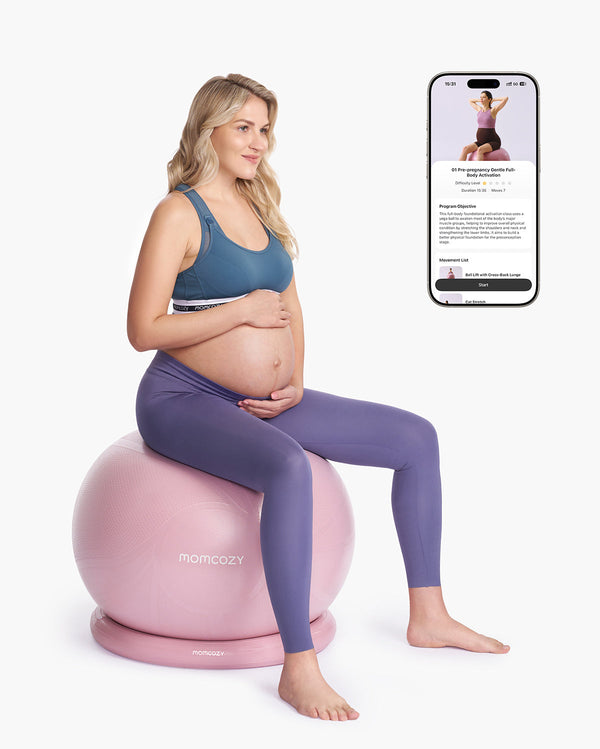
Move gently but regularly: Short, slow walks restore circulation and ease stiffness and gas-related sharp tummy pain. For guided, low-impact movement once cleared, the Momcozy BirthEase Maternity Ball Set offers a stable base: anti-burst, BPA-free PVC with a reinforced base; the 65 cm ergonomic ball supports up to about 150 kg (330 lb) for gentle pelvic tilts. Expert-led postnatal videos on the Momcozy App, plus the included foot pump and Cozy Mom Lifestyle Guide e-magazine, support safer pacing without overexertion.
Anti-Burst Design
Stability Base Included
Guided Training Program
-
Support your abdomen when moving: Press a pillow against the incision when you cough, laugh or stand to reduce pull and sharp zaps.
-
Use heat for muscle-related pain: A warm compress on the abdomen — not directly on an unhealed wound — can relax tight muscle. Follow clinician advice on timing.
-
Keep good posture: Sit and stand tall so load is shared more evenly rather than dumping onto one side.
-
Wear supportive postpartum compression (when approved): Once your healthcare provider agrees, a wrap such as the Momcozy Ergowrap Postpartum Belly Wrap can support the midsection, improve posture and reduce pulling during standing, bending or holding baby. Adjustable fit is designed for early recovery comfort.
Postpartum
Support
Comfort
Effectiveness
-
Stay hydrated and eat fibre-rich foods: Preventing constipation and bloating lowers abdominal pressure that can worsen sharp pain.
-
Avoid heavy lifting and sudden twisting: Give healing tissues time; do not lift more than your baby until advised.
If sudden pain lasts beyond a few weeks, worsens, or comes with fever, redness, swelling or unusual discharge, contact your midwife, GP or maternity triage.
How do I know if something is wrong after a C-section?
Some discomfort is expected. These patterns suggest something may be wrong — contact your midwife or GP straight away, in line with NHS caesarean recovery guidance:
- Excessive or constant pain that does not respond to rest or pain relief
- Pain that grows sharper over time instead of easing
- Infection signs: warmth, redness, swelling or pus near the incision
-
Fever over 38°C (100.4°F) or chills
- Foul vaginal discharge or heavy bleeding soaking more than one pad an hour
- Wound opening or stitches appearing to separate
- Chronic one side pain after C-section lasting beyond a few weeks, or deep constant internal pain after C-section
- Unable to open bowels, trouble peeing, or pain when peeing
- Chest pain, leg swelling, or breathing difficulty — seek urgent care
Trust your instincts. Early review prevents more serious complications.
Side effects of a C-section
A caesarean is major abdominal surgery, so a range of side effects is common while you heal.

Short-term effects often include wound tenderness, swelling, bruising or a tight pulling sensation. Numbness, tingling or burning around the scar is common because small sensory nerves are cut or stretched. As nerves regenerate over weeks to months, tingling, itching, hypersensitivity or brief shooting pains may appear. Digestive changes — gas, bloating, constipation — are frequent while anaesthesia and pain medicines slow the bowel.
Weakness and stiff movement when standing, twisting or lifting are typical. Fatigue is driven by blood loss, hormones, broken sleep and newborn care. Some women develop internal scar tissue (adhesions) that cause occasional pulling or local discomfort with movement. Mood swings, anxiety or frustration can also appear during a longer physical recovery.
Many side effects improve over 4–6 weeks, though full comfort can take longer. Intense or unusual symptoms deserve assessment.
Is sharp stabbing pain on the right side normal after a C-section?
Yes — acute stabbing pains on the right after caesarean are often part of normal healing after major belly surgery. Common non-threatening drivers include:
-
Healing incision and tissues: Repair through skin, muscle and fascia can cause sharp, brief twinges.
-
Nerve recovery: Stretched or cut nerves may create stabbing or tingling as they regenerate.
-
Muscle strain: Weak core muscles mean standing, twisting or lifting baby can zap one side briefly.
-
Gas or bloating: Post-surgery wind can cause acute local abdominal pain, including pain on the right side of stomach after C-section.
Track how often and how intense the pain is. Seek care promptly for chronic or progressive pain, fever, swelling, redness, abnormal discharge, or painful urination or bowel movements.
When does sharp pain go away after a C-section?
Timelines vary, but many women notice this pattern for sharp stabbing pain on the right side after a C-section:

-
First 1–2 weeks: Pain is often strongest as anaesthesia wears off and the body resumes normal function. Movement, coughing and standing can trigger sharp twinges.
-
Weeks 3–6: Stabbing usually becomes less frequent and less severe as tissues, muscles and nerves heal. Walking and support help.
-
Beyond 6 weeks: Occasional sharp pain with certain movements can still happen. Pain that persists or worsens after this point needs medical assessment.
Milder zaps or numbness around the scar can linger for months as nerves regenerate — some women notice occasional twinges for much longer. Worsening rather than fading pain is the key signal to get checked.
Right side rib pain after C-section
Right side rib pain after C-section can feel alarming. Sometimes it is referred discomfort from trapped wind higher in the abdomen or under the ribs; sometimes it is muscle guarding from protecting the incision or from feeding posture. Less often it relates to other issues. If rib or upper-side pain is severe, one-sided and sudden, or paired with shortness of breath, chest pain or fever, seek urgent care rather than assuming it is “just gas.”
Can breastfeeding make pain on the right side worse?
Breastfeeding itself does not create sharp stabbing pain on the right side after a C-section. Nursing does not damage healing tissues, nerves or muscles in that way.
However, poor posture, hunching forward or uneven baby support can temporarily tension the abdominal wall and incision, which may aggravate pain that is already there. Bring baby up with pillows, switch sides, and keep your back supported.
How to prevent right-side pain during C-section recovery
Some pain is expected, but these habits can reduce sharp right-side twinges:

-
Move gently and regularly — brief walks aid circulation, reduce stiffness and ease gas discomfort.
-
Support your abdomen — pillow or folded blanket when getting up, coughing or sneezing.
-
Maintain proper posture — especially when feeding or holding baby, so one side is not overloaded.
-
Gradually strengthen core muscles — after clinician clearance, low-impact core and pelvic floor work rebuilds support.
-
Avoid heavy lifting and twisting — sharp turns and overloaded carries aggravate healing muscle.
-
Stay hydrated and eat fibre-rich foods — to limit constipation pressure that sparks right-side sharp pain.
Moderate movement, good positioning and paced activity support safer, more comfortable healing. Alberta aftercare resources similarly emphasise reduced strain and gradual return to activity.
Frequently asked questions
Why do I have sharp, stabbing pain on my right side after a C-section?
One-sided stabbing is often nerve-related as abdominal nerves heal, or comes from scar pull, trapped gas, muscle strain or a tugging stitch. Most early twinges are part of normal healing.
How do you know if you have nerve damage after C-section?
Some nerve involvement is expected: numbness or brief zaps around the scar are common and often improve over months. Signs that deserve discussion with your GP or obstetrician include ongoing burning, shooting or searing pain around the scar, groin or inner thigh; pain from light touch (for example shower spray); numbness or burning down the outer thigh; or pain wrapping from the scar toward the back — especially if symptoms last many months. Specialist sources note that lasting neuropathic pain after caesarean is uncommon, but persistent patterns should be assessed rather than ignored. This is general information, not a diagnosis.
Is sharp stabbing pain on one side normal after a C-section?
Yes, in the early weeks it is common. Healing nerves and scar tissue often produce sharp or pinching pains on one side of the incision with twist, stand or cough. It typically eases over weeks to months. Severe, worsening or symptom-paired pain needs checking.
Could the sharp pain be trapped gas rather than the incision?
Often yes. Trapped wind after abdominal surgery commonly causes sharp cramping that feels like the wound — or even the shoulder or ribs. Gentle walking, warm drinks and position changes help. See Momcozy UK’s gas-after-C-section guidance if bloating and wind dominate.
What does sudden internal pain months after a C-section mean?
Sharp internal pain after C-section weeks or months later is sometimes adhesions or lingering nerve sensitivity and is often not dangerous. New, severe or persistent internal pain — especially with fever, bleeding, or bowel or bladder changes — should be evaluated.
Can a postpartum belly wrap help with C-section pain?
Many women find a gentle support band eases sharp incision pull when moving, standing or feeding. Use a soft, adjustable wrap (not harsh shapewear), start only when your provider agrees, and stop if it irritates the wound.
Conclusion
Sharp stabbing pain on the right side after a C-section is common while your body rests and repairs. Most pain settles with time, gentle movement, posture care and self-support. Watch for danger signs — worsening pain, swelling or fever — and contact your midwife or GP when something feels wrong. Looking after yourself helps you heal the incision, manage right side pain after C-section, and focus on your newborn with more confidence.