Cramping during the third trimester can catch you off guard, particularly if it feels like period pain. Many mums report period cramps during the third trimester and think they are preparing for birth or they're onto something. Sometimes it's normal: Braxton Hicks practice tightenings, stretched ligaments, constipation or dehydration can all be to blame. However, when cramping in the third trimester of pregnancy, there are times when they require a prompt check-up, such as an on-the-spot review. This UK guide explains how far it's normal to cramp, common causes of cramping, how to distinguish practice cramps from labour cramps, how to alleviate cramping and when to call your midwife, maternity unit or NHS 111.
How Much Cramping Is Normal During the Third Trimester?
There is some mild cramping, or low back pain, in the final trimester, which is normal. If the pain in your stomach is very mild and improves when you are walking, resting, when you are pooping, or when you pass wind, the NHS states that it's probably just a sign of gas or bloating.
Generally normal third-trimester cramping:
- appears and disappears, instead of becoming increasingly strong;
- it feels like a period-like ache, tightness or short sharp ligament twinges;
- settles with rest, fluids, a warm bath or position change;
- has no bleeding, fluid leak, fever or severe one-sided pain.
Not normal—seek advice promptly: If it tightens regularly, but not enough to stop; if the pain increases despite rest; if there is bleeding; if fluid is leaking from it; if your baby doesn't move as much; if you have pain when you pass urine; or if you have pain with headache, vision change or swelling (HSE pregnancy guidance lists other red flags).
Each pregnancy is different, and there isn't a set amount of cramping that is “right”. What matters is pattern, severity and accompanying symptoms.
Why Am I Cramping in the Third Trimester?
There are a few possible causes of cramps in the third trimester: your body adjusting to a full-size baby, hormones changing, and pressure on other organs. These are the most common causes, some of which overlap.
Braxton Hicks Contractions
These are the uterine contractions that occur but are not regular ones, and are called “practice contractions.” They are usually irregular in shape, occur for 30-60 seconds (Leeds Teaching Hospitals NHS), and are not painful, just unpleasant. They are usually relieved by changing positions, rest or hydration.
Round Ligament Pain
Ligaments supporting the uterus stretch as your bump grows. This can cause sharp, sudden pains or aching in the lower abdomen, hips or groin—sometimes mistaken for period-like pain in the third trimester.
Dehydration
Not drinking enough can increase muscle irritability, including uterine tightening. Dehydration is a frequent, fixable trigger for cramps in the third trimester—especially in warm weather or after activity.
Digestive Issues
Constipation, bloating and trapped wind are common late in pregnancy. Your womb presses on the gut, slowing digestion. Pressure and cramp-like pain can mimic menstrual ache (Healthline notes constipation as a frequent cramp mimic).
Early or Active Labour Contractions
Frequent, regular tightenings that grow stronger and closer together—especially if they continue despite rest—may signal labour or preterm labour before 37 weeks. Some women describe true contractions as intense period pain across the abdomen and lower back. Contact your maternity unit if you are unsure.
Urinary Tract Infections (UTIs)
UTIs are normal throughout gestation and may trigger abdominal cramping or burning urination, cloudiness or an urgent need to urinate. Early antibiotic use can help protect you and your baby – talk to your GP or midwife about symptoms.
Braxton Hicks vs True Labour: How to Know If Contractions or Just Cramps
Late pregnancy tightness is confusing: is it false labour or the real thing? Use the table below alongside how you feel overall. When in doubt, phone your maternity assessment line—UK units prefer you call rather than guess.
|
Feature |
Braxton Hicks (“practice” cramps) |
True labour contractions |
|
Timing |
Irregular; no consistent pattern; often >10 minutes apart |
Regular pattern; grow closer over time (e.g. every 5 minutes) |
|
Duration |
Usually 30–60 seconds; may stop within ~20 minutes |
Often 60+ seconds; keep returning |
|
Intensity |
Uncomfortable tightening; may ease with rest, fluids, position change |
Progressively stronger; harder to talk through |
|
Location |
Often localised (one area of bump or back); whole abdomen may firm briefly |
Felt across lower abdomen and often lower back; abdomen stays hard during peak |
|
Effect of movement |
Often stop or soften when you walk, rest or change side |
Continue regardless of activity or position |
|
Cervix |
Do not cause progressive dilation |
Work to soften, shorten and open the cervix |
|
Other signs |
No show, waters breaking or bleeding |
May accompany “show,” waters breaking, back pressure |
The NHS signs of labour explain that real contractions become longer, stronger and more frequent, while Braxton Hicks do not build up in the same way. Some mums also confuse strong kicks with cramps—baby movements are usually irregular; contractions return in a pattern.
Do Cramps Mean Labour Is Near?
Not always. Many women have period-like cramps in the third trimester for weeks without imminent birth—especially Braxton Hicks and ligament pain. Cramps can mean your body is “warming up,” but only a pattern of regular, intensifying tightenings plus cervical change signals active labour.
Could Cramps at 36 Weeks Be Labour Signs?
You are nearing term at 36 weeks. Irregular tightening and regular contractions every 5 minutes lasting 30–60 seconds, fluid gushing or trickling and/or vaginal bleeding or a mucous “show” may indicate labour is underway. At 36 weeks, this is term labour; call your maternity unit for triage. The same situation may be a case of preterm labour, and should be assessed urgently before 37 weeks.
Does Cramping in the Third Trimester Mean Dilation?
Cramping does not prove dilation. Braxton Hicks do not dilate the cervix. During early (latent) labour, mild irregular cramps can occur with progressive cervical softening, which may not be noticeable without vaginal examination. Progressive regular contractions are the more obvious sign that labour is progressing (NHS latent phase patient information).
How Long Do Period Cramps Last Before Labour?
There is no fixed countdown. Some women experience mild period cramps in the third trimester of pregnancy for days or even weeks before labour, while others experience no pain at all until contractions set in. Latent-phase cramps can appear and disappear over several hours or days. Monitor frequency and intensity - if the tightenings are regular and increasing, speak to the midwife instead of timing from the first ache.
How to Reduce and Avoid Cramping in the Third Trimester
Most relief strategies are safe, simple and in line with NHS self-care advice. Combine what works for your body.
Stay Hydrated
One of the most frequent causes of uterine tightening is dehydration. Drink plenty of water often; use electrolyte fluids (as prescribed by a clinician). Reduce cramps by preventing them in the first place.
Use Supportive Wear
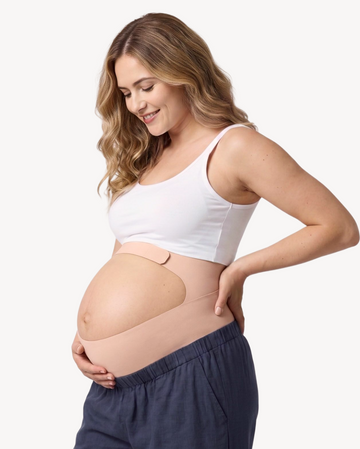
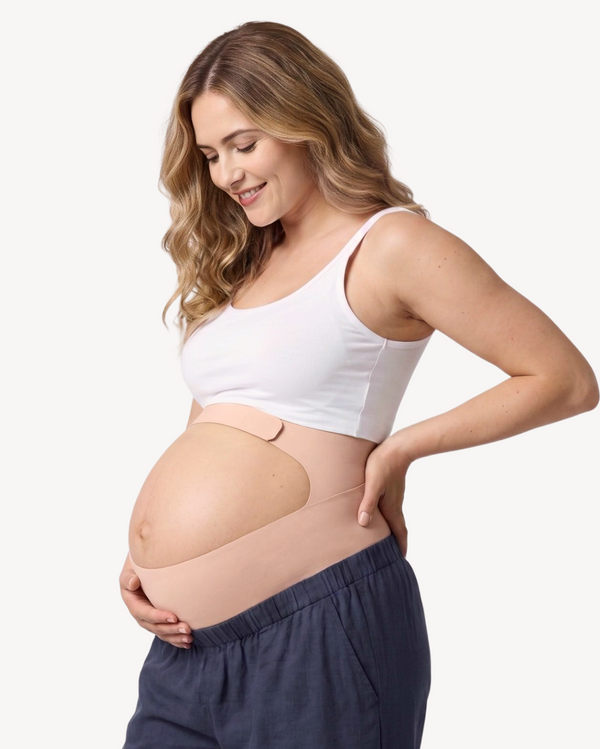
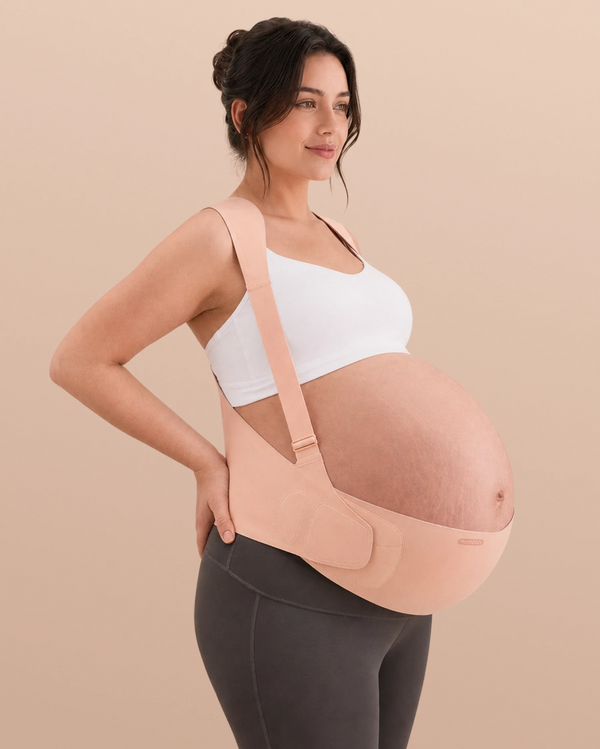
Extra bump weight can pull on the abdomen and lower back, worsening cramp-like pressure. A maternity support belt redistributes load. The Momcozy Ergonest Maternity Belly Band offers structured lift and back support for daily movement—many mums find it eases standing and walking in the third trimester. Compare options in the pregnancy support belt range.
Change Positions Regularly
Don't hold one position for an extended period of time. Lying on the side, with pillows between the knees, and changing sides and rising to stretch for the half hour will help to minimise bend in the abdomen and pelvis.
Apply Gentle Warmth
Warm (not hot) a bath, shower, or low-setting heat pads all over the back or sides (not on the bump) to help relax ligaments and muscles. Limit the duration of the session; no heat when contraindicated.
Keep Up Light Movement
Short walks, pelvic tilts and yoga (pregnancy-safe variations) help to promote circulation and flexibility, minimising tension that may develop in the belly and lower back region. If pain worsens, stop.
Support Healthy Digestion
Higher fibre foods, fluids and gentle activity ease constipation-related period cramps in the third trimester. If necessary, consult your pharmacist or midwife regarding pregnancy-friendly laxatives, as the HSE recommends that you start by taking fibre, and then seek professional advice for medicines.
When to Get Medical Help in Your Third Trimester
Mild cramping rarely needs emergency care, but certain patterns require immediate contact with your maternity unit—or 999 if severe.
Normal vs Concerning Cramping
|
Usually manageable at home |
Contact maternity unit / GP same day |
Urgent: maternity unit now or 999 |
|
Irregular tightenings that fade with rest or fluids |
Regular contractions before 37 weeks |
Heavy bleeding or severe pain |
|
Mild period-like ache without other symptoms |
Pain when peeing, cloudy or bloody urine (possible UTI) |
Sudden severe abdominal pain with rigid tummy |
|
Constipation-related cramp relieved after bowel movement |
Fluid leak or suspected waters breaking |
Reduced fetal movements |
|
Braxton Hicks after activity or dehydration |
Persistent pain not easing after 30–60 minutes rest |
Seizure, collapse, or chest pain with breathlessness |
|
Digestive bloating with no red flags |
Headache, vision changes, swelling with upper pain (pre-eclampsia screen) |
Placental abruption suspected (constant pain + bleeding) |
When to Call Your Midwife, Maternity Unit or GP
Follow NHS urgent advice and call your maternity unit immediately if you have stomach pain plus:
- vaginal bleeding or spotting;
- regular cramping or tightening
- lower back pain with contractions;
- unusual discharge or fluid leaking;
- pain when peeing, or cloudy/pink/red urine;
- severe pain or pain that does not settle after 30–60 minutes of rest.
If your unit is unavailable, call NHS 111. Before 20 weeks, contact your GP or early pregnancy unit per local pathways. Trust your instincts—if something feels wrong, you are not wasting anyone’s time.
Also seek review for: fever or chills with cramps; burning urination; contractions less than 10 minutes apart and intensifying (HSE third trimester guidance); or fewer than 10 fetal movements in two hours after 28 weeks (follow your unit’s kick-count policy).
FAQs
Quick answers about cramping third trimester pregnancy and period-like cramps in the third trimester.
What Are Three Signs Labour Is Approaching?
Common clues include: regular contractions that grow stronger and closer; a “show” (mucous plug discharge); and waters breaking (gush or continuous trickle). Backache and an urge to open your bowels may also appear. If you're full term, the NHS says to contact your midwife when contractions are around 60 seconds and occur every 5 minutes.
Does Cramping Mean Baby Is Growing?
Yes, indirectly, when the uterus grows, the ligaments get stretched, and when the baby grows, it is also indirectly causing cramping, typically during the last trimester. This is not harmful pain. Growing pains are typically mild and do not happen on a constant basis; if growing pains are severe or changing, report them to your clinician.
How Much Cramping Is Normal in Pregnancy?
Mild cramps occur occasionally in all trimesters, especially the 3rd. Normal cramps decrease with rest, changing body posture or fluids. The number per day is not considered a specific indicator; pattern and symptoms are more important.
What's the Difference Between Normal Pregnancy Cramps and Miscarriage Cramps?
Miscarriage cramping typically happens before 24 weeks, when there is typically bleeding and a progression of pain. Cramps and bleeding in the third trimester are a sign of concern, as it could mean trouble with the placenta or preterm labour, and this is not a normal miscarriage. If there is bleeding during late pregnancy, then it should be assessed for the mother that same day.
Can Constipation Cause Stomach Cramps in Late Pregnancy?
Yes. Constipation is frequently caused by slowed digestion and by pressure from the womb; period pains in the third trimester can often be mistaken for period pains. Fibre, fluids, movement and clinician-approved remedies usually help.
Will Third Trimester Cramps Go Away on Their Own?
Many do. Braxton Hicks and ligament aches usually pass away with rest or throughout the night. They may return until delivery. If cramps get progressively worse and/or become more frequent, they should be evaluated.
Is It Normal to Feel Period-Like Cramps in the Third Trimester?
Yes. Period cramps during pregnancy in the third trimester, at night or during the day and are commonly accompanied by Braxton Hicks, ligament stretch, or digestion. If cramps are severe, frequent, with bleeding or fluid, it is urgent to review and discuss these with the person, not just reassure.
Do Braxton Hicks Feel Like Period Cramps?
Many women say yes; it's a not-uncommon cramp in the lower abdomen or a sensation of tightening. Braxton Hicks's stay is a bit irregular and frequently end when he is hydrated or resting.
Why Do I Feel Like I'm on My Period in My Third Trimester?
Uterine tightenings, pelvic pressure, hormone shifts and digestive slowdown combine to recreate familiar period sensations. When mild and intermittent, it is typically harmless.
Do Period-Like Cramps Mean Labour Is Near?
Not necessarily. They can persist for weeks as practice contractions. Labour is more likely when cramps become regular, longer and stronger, especially with show, waters breaking or back pressure—use timing and call your maternity unit if unsure.
Conclusion
From Braxton Hicks contractions and round ligament stretch to constipation and dehydration, cramping during the third trimester is a common experience of late pregnancy, including period cramps and 3rd trimester sensations. Know your patterns, drink water, move slowly and use support implements like Momcozy Ergonest Maternity Belly Band when bump weight adds strain.
Understand the difference between what is normal and what is not: any regular contractions, any bleeding, fluid leaking, a decrease in movement or pain if there is a fever or urinary symptoms should be reported to the midwife or maternity unit – not waited for. You need to be consoled and cared for in these last weeks.