55 cm, 65 cm or 75 cm—which one should you actually choose? It’s a question that shouldn’t be so complicated when you’re talking about, essentially, a giant inflatable ball. If this is your first time buying a pregnancy ball, the choice can appear deceptively difficult, particularly when you consider your growing bump, conflicting size charts, and product advice that seems to be at odds with each other. And so you find yourself wondering: what size pregnancy ball do i need?
If you’re a UK mum looking to buy a pregnancy ball for everyday comfort, gentle movement during your pregnancy, or to assist during labour, this guide explains the three typical sizes and tells you precisely what to check for once the ball is inflated. We’ll go through everything from the position of your knees to the amount of space you have around your bump, so you know exactly what to look for to get the best fit for your needs.
What Is a Birthing Ball?
A birthing ball is a big, inflatable ball that provides you with slightly more mobility when you’re pregnant and in labour. You might also see this referred to as a pregnancy ball, gym ball or labour ball.
For a lot of mums, a birth ball is a perfect place that they rest in when their bump becomes bigger and heavier. What’s more, a birth ball can actually come in handy in labour, as moving around and staying upright can help you find a position that makes you feel more comfortable. You can sit and rock gently back and forth, kneel on the ball, or rest your upper body over it for support and relief.
Using a birth ball is not something you have to do, and it's not a magic solution that will make your labour easier. Rather, consider it a practical tool to have in your tool kit, allowing you one more option to move and change positions when your body wants to be mobile during labour.
Why Birth Ball Size Matters
The right birth ball should make sitting feel fairly effortless. If it's too small, you can end up with your knees pushed up and your bump feeling cramped. If it’s too large, your feet may not rest properly on the floor, and you will feel less stable.
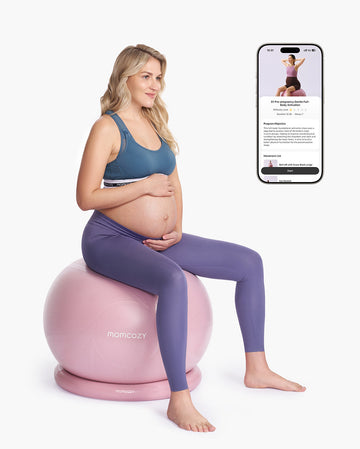
The right fit allows you to sit with both feet flat on the floor, your knees slightly lower than your hips, and with enough space around your bump to move comfortably. You also want to feel steady enough that you can rock or sway your hips a little without constantly having to realign yourself.
For most UK mums, height is a handy place to start: a 65 cm ball is typically suitable for those up to around 173 cm, while a 75 cm ball is better suited to taller individuals. But once you have inflated the ball, your sitting position is the ultimate test of firmness, and your own body can influence what the ball feels like.
What Size Birthing Ball?
Your height is the easiest place to start when choosing a birth ball, but the final check should always be how comfortably you sit on it once inflated.
55 cm Ball – If Your Height Is Under 162 cm
If you are below 162cm, a 55cm ball is going to be suitable to start. Its lower height makes it more comfortable to have both feet flat on the ground without extending your legs. If you’re around 162 cm, take a look at your sitting position when the ball is fully inflated. Your knees should not be higher than your hips, and you should have enough space around your belly.
65 cm Ball – If Your Height Is 162 cm to 173 cm
A 65 cm ball should be suitable for mums whose height ranges from 162 to 173 cm. It is tall enough to allow you to sit comfortably with your feet flat on the floor. It also allows space for soft rocking or small pelvic circles. If you are at the high end of this range, make sure that your knees are just below your hips when you are sitting.
75 cm Ball – If Your Height Is Over 173 cm
If you are taller than 173 cm, a 75 cm ball will typically give you the additional height you need to sit comfortably. The larger size allows more space for your legs and bump, but your feet should still lie flat on the ground. If you’re reaching for the floor or standing on your tiptoes, check the ball’s inflation and fit.
How to Check If Your Pregnancy Ball Fits
The size guide should be sufficient in assisting you, but this is where sitting on the ball comes into play. Once it’s inflated, sit on it and see how your body feels rather than just looking at the number on the box.
Hips Higher Than Knees
Keep in mind that when seated, your hips should be just a bit higher than your knees. You don’t have to quantify the difference; just a glance at your posture will do. If your knees are significantly higher, the ball is either too small or it needs more air.
Feet Flat on the Ground
Both feet should be flat on the floor, with a little space between them to provide you a solid base. If you're reaching for the floor with your toes or your feet keep lifting as you move, the ball may be too tall. Check the pressure before you decide you want a different size.
Belly Has Space
You should have space in front of your bump without your thighs pressed against it. Sit as you would usually and check that you can sit up without having to lean backward to make room. This can become more pronounced later in pregnancy when your bump grows.
Is Your Pregnancy Ball Too Big?
Your ball is too large if your feet aren't touching the floor, your legs feel stretched out, or you feel like you're perched on top of it rather than sitting in it. Check the inflation before you replace it with a smaller one. An overinflated ball can also sit higher than expected.
Is Your Pregnancy Ball Too Small?
A ball can be too small if your knees are above your hips, your thighs are cramped, or you feel too low when sitting. Inflate it, especially if the ball is soft. It might just need a bit more air to reach the desired height.
What to Consider When Buying Your Birth Ball
Once you've worked out the size you need, there are a few other details worth checking before you buy. They may seem minor, but they can make the ball much easier and more comfortable to use throughout pregnancy.
Anti-Burst Material
An anti-burst ball is worth prioritising for pregnancy and labour use. When the ball is punctured, this material allows it to lose air slowly and not collapse all at once. Look for definite anti-burst or burst-resistant wording in the product description and keep the ball off sharp edges, rough pavement and extreme heat.
Weight Capacity
Don't forget to check the weight limit. Two balls can be the same size but have different weight capacities depending on their construction. Choose one that can comfortably support your weight and follow the manufacturer's guidance for use and inflation.
Inflation and Firmness
The amount of air you put into the ball can alter its height and how it feels to sit on. A softer ball will sit lower and feel more flexible, while a very firm ball can feel higher and less forgiving. Follow the manufacturer's recommendations for inflation and then test your sitting position. If your knees are too high or your feet don't rest comfortably on the floor, check the inflation before changing size.
Surface and Grip
A textured wall can give you a little more traction, especially on smooth floors like laminate, wood, or tiles. When you are doing light activity, you want the ball to roll naturally, but it shouldn’t feel like it’s going to slide right off the green when you sit down.
Pump and Storage
A pump is one of those things you may not think much about until your ball needs topping up. If one is included, you won't have to look for a compatible pump on its own. Also, consider where you will store the ball. When you’re using it on a regular basis, you might opt to just keep it inflated instead of constantly finding a place to put it.
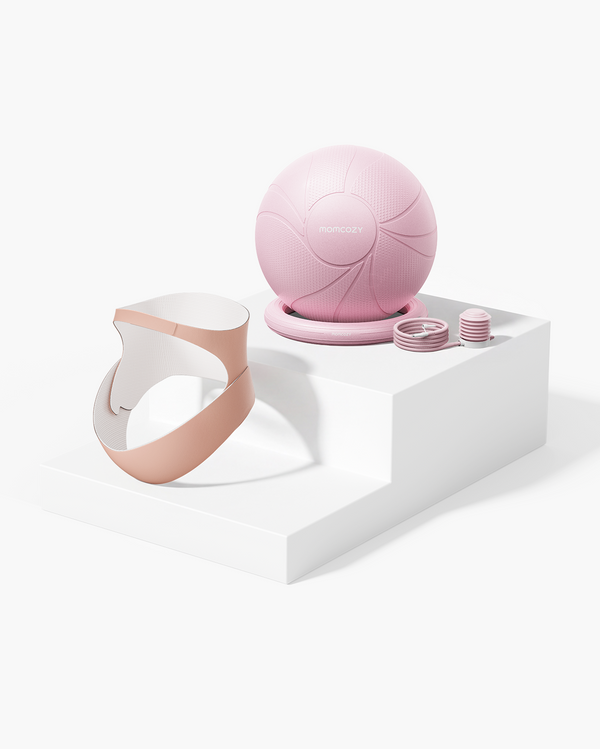
If you want a pregnancy ball that provides a little more on top of the ball itself, the Momcozy BirthEase Maternity Ball Set includes the ball, a foot pump, and access to guided, stage-based routines via the Momcozy App. The ball features a textured anti-slip surface, a reinforced base and anti-burst construction, and the guided programs are divided into stages and cover pregnancy to postpartum recovery. It also has a capacity of 330 lb (150 kg), which adds up to a solid everyday-use sturdiness.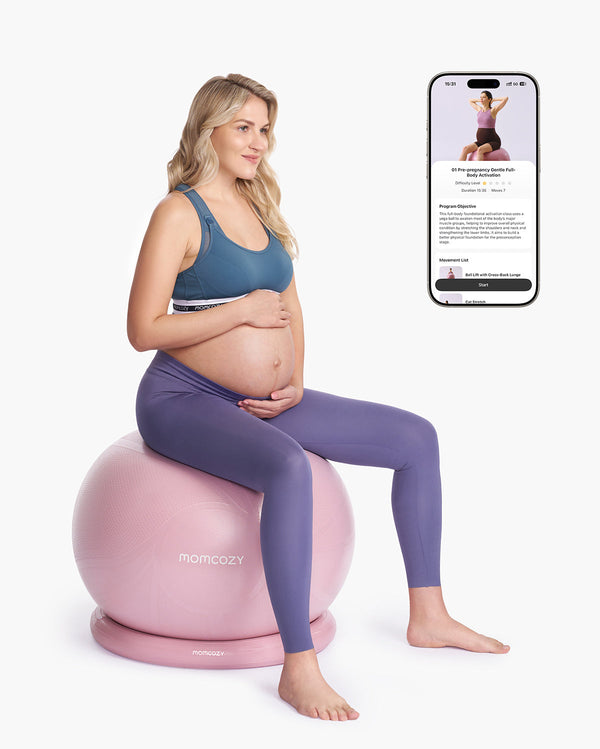
 Member price
£113.99Code Save 15%
Member price
£113.99Code Save 15%
Why Use a Birthing Ball?
A birth ball might be helpful for no better reason than that it provides you with a different position to be in. When sitting, standing, or lying down becomes uncomfortable, having something to sit on, lean on, or move with can make changing positions a little easier.
Sitting Comfortably
A pregnancy ball can be a more active way to sit rather than slumping into the same spot on the couch. You can sit up, rock your hips back and forth or in small circles while watching TV or chatting. It’s especially handy as your bump grows and you want to be able to move your weight around without having to stand up.
Exercise and Pain Relief
Pregnancy balls aren't something that should be treated like gym equipment. Gentle pelvic tilts, circles with your hips and side-to-side rocking are enough to get you going. Some mums also report that leaning forwards over the ball is a comfortable position for them when they have aching backs or hips. Maintain control of your motion and discontinue if you feel pain or get sick.
During Labour
A birth ball can provide you with an alternative way to be upright and move around while in labour. You may sit and rock slowly through a contraction, kneel on the floor with the ball in front of you and lean on it, or have your birth partner rub your lower back while you rest against the ball. It won’t help you get through labour or dilate any faster, but it will give you a few more options for finding a position that’s comfortable as labour moves along.
It’s worth practising if you intend to use one during labour. Getting used to sitting, rocking and leaning over the ball during pregnancy means you won't be figuring it out for the first time between contractions.
When Can I Use a Birth Ball?
There isn't a particular week when you need to start using a birth ball. If you're used to exercising while pregnant, you can use one in advance for use while sitting and moving gently instead of holding it just for labour.
Many mums begin using one as soon as their bump gets bigger and sitting in the usual spots gets less comfortable. Beginning before labour also allows you to get used to the ball and find out which positions feel most natural.
If you have been told to limit your activity, or if you have any concerns about your pregnancy, consult your midwife or GP before using a birth ball.
Frequently Asked Questions
What Size Ball Is Best for Pregnancy?
Your height is the best starting point when choosing a pregnancy ball:
- 55 cm: under 162 cm
- 65 cm: 162–173 cm
- 75 cm: over 173 cm
When fully inflated, sit on the ball, make sure your feet rest flat on the floor, and your hips are just slightly higher than your knees. If not, adjust the pressure before changing sizes.
Is a 65 cm or 75 cm Pregnancy Ball Better?
It depends on your height. A 65 cm ball is generally appropriate for mums between 162 and 173 cm, and a 75 cm ball is ideal if you're over 173 cm. If you are close to the cutoff, go by how you sit on it. You should be able to rest both your feet comfortably on the floor, without feeling as if you are too low or too high.
Will a Birthing Ball Help Me Dilate?
A birth ball won’t guarantee faster dilation, but it can provide you with more opportunities to move and change positions while you are in labour. Sitting upright, swaying or leaning on the ball can assist you in getting into a position that is more comfortable for you when having contractions. Consider it as a prop for motion instead of a means to speed labour up.
Should My Knees Be Lower Than My Hips on a Birthing Ball?
Yes. Your hips should be positioned a little bit above your knees, and your feet should rest firmly on the ground. If your knees are significantly higher, the ball may be too small or underinflated.
How Firm Should a Pregnancy Ball Be?
It needs to be just firm enough to hold you up without feeling too hard. Inflate according to the manufacturer's instructions, then verify your position once you sit. If you sink too far into the ball or your knees are too high, it needs more air. If you feel too tall or your feet don't rest comfortably on the floor, make sure it hasn't been over-inflated.
Conclusion
If you are still asking yourself, what size pregnancy ball do I need, then your height is the easiest place to start: 55 cm if you are under 162 cm, 65 cm if you are 162–173 cm, and 75 cm if you are taller than 173 cm. From there, let your sitting position make the final call.
For UK mums planning to use a birth ball during pregnancy or labour, an anti-burst design and a little practice beforehand can also make it a more reassuring part of your routine. Once you’ve found the right fit, a pregnancy ball is simple to use—offering a comfortable way to sit, move and change position throughout pregnancy, and another helpful option during labour.