Wondering how long can you wear a pregnancy support belt without overdoing it? Most people do best with short, activity-focused sessions rather than all-day wear. Used well, a belly band can ease bump weight, steady posture, and take pressure off the lower back—especially from the second trimester onwards—while still letting your core muscles work between breaks.
Below is a UK-friendly guide to how long to wear a belly band during pregnancy, when to wear a pregnancy support belt, whether belly bands are safe in pregnancy, and how Momcozy options fit into day-to-day routines. Always follow your midwife, GP, or physiotherapist if you have a high-risk pregnancy or pelvic girdle pain.
What Is a Pregnancy Support Band?
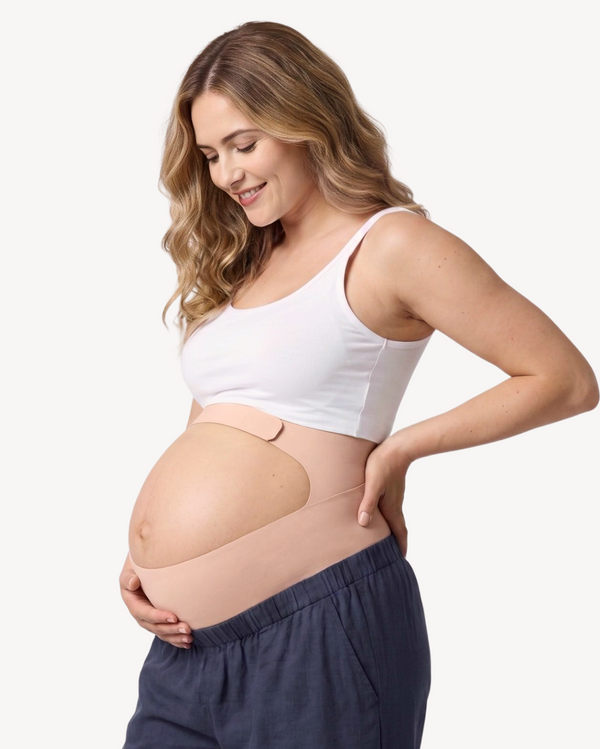
A maternity support belt, or belly band, is a flexible, stretchy garment worn to give light support to the lower back and abdomen in pregnancy. It helps redistribute bump weight, ease lumbar load, and support tissues as the uterus and round ligaments stretch.
Styles range from soft, everyday bands suited to earlier support needs through to firmer belts and postpartum wraps with more structured compression.
What Does a Belly Band Do?
A well-made band does more than “hold the bump.” Common benefits include:
Eases Back and Pelvic Pain
Eases back and pelvic pain as baby weight grows and loads the lumbar spine and sacroiliac joints. Gentle lift and compression can reduce that pull for many wearers.
Enhances Posture

As your centre of gravity shifts forward, shoulders and lower back often tighten. A support belt can cue a more upright posture and make standing or walking feel less strained.
Eases Round Ligament Pain
As the uterus expands, round ligaments stretch and can cause sharp twinges at the hips or lower abdomen. Holding some of the bump’s weight may take the edge off those pulls.
Supports Physical Activity
On walks, prenatal classes, or busy days on your feet, a band can reduce fatigue and discomfort so you stay gently active—something many UK antenatal teams still encourage when cleared to exercise.
Recovery After Pregnancy
Some designs transition into postpartum use to support the abdomen as it settles, assist comfort around diastasis recti care (alongside proper rehab), and ease lower-back strain while you lift and feed.
Are Belly Bands Safe in Pregnancy?
For most people, yes—when fit is snug not tight, wear time is limited, and your maternity team is happy with the plan. Misuse or overuse can still cause problems, so treat the band as a tool, not a 24/7 brace.
Do Not Use Too Much Compression
Aim for supportive, not restrictive. Over-compression may:
- Inhibit comfortable circulation
- Cause heartburn
- Create unpleasant pressure on the abdomen
Restrict Wear Time
Many professionals suggest limiting continuous wear to about 2–4 hours at a time so your muscles do not rely only on external support. For night comfort, a pregnancy pillow is usually a better option than sleeping in a belt.
Ask Your Midwife or Doctor
Check with your midwife, GP, or obstetric team before regular use if you have placenta praevia, risk of preterm labour, high blood pressure, or other complications.
Prevent Overheating and Skin Irritation
Choose breathable fabrics—especially useful in warmer weather or heated UK homes—and watch for rashes or overheating under the band. Loosen or remove it if skin marks linger or breathing feels restricted.
Featured Products: Supportive Belly Bands by Momcozy
If you are shopping for quality and comfort, two Momcozy options cover pregnancy support and firmer postpartum wrap needs:
Momcozy Ergonest Maternity Belly Band
Back Support
Comfort
Effectiveness
This ultra-soft Ergonest (BumpEase) maternity belly band suits mid-to-late pregnancy. Breathable, elastic fabric supports belly and back without a harsh squeeze, and the ergonomic design aims to keep you mobile for daily wear blocks.
Momcozy Maternova Belly Band
The Momcozy Maternova Belly Band is positioned for firmer, hospital-grade style compression around the abdomen and lower back—often chosen in postpartum recovery. Adjustable straps help customise the fit as your body changes. You can click there to check more Momcozy support belt.
How Long to Wear a Belly Band During Pregnancy
Each trimester brings different strain. Use the ranges below as a starting point for how long to wear a belly band during pregnancy, then adjust with clinician advice.
Early Pregnancy
Many people need little or no band early on. Some still notice hormonal ligament laxity, mild ligament twinges, or postural fatigue.
-
Wear time: about 1–2 hours a day only if needed
- Prefer softer, non-constricting bands with light support
Mid-Pregnancy
Need often rises between roughly weeks 14–27 as the uterus enlarges. Chronic backache and hip or pelvic pressure become more common.
-
Wear time: about 2–3 hours daily, split into shorter blocks
- Useful for housework, desk or retail shifts, and mild activity
- Breathable, adjustable designs such as the Momcozy Ergonest suit this stage well
Late Pregnancy
With maximum bump weight, pelvic pressure, sciatica-type pain, and sleep disruption are frequent, and posture can feel hard to control.
-
Wear time: up to about 4 hours per day in total, still with breaks
- Do not wear lying down or while sleeping
A supportive band in these weeks can make walking and standing more manageable.
Postpartum
Bands can help in the first 6–8 weeks after birth with comfort as the uterus involutes, gentle support around abdominal separation (alongside physio guidance), and lower-back ease while caring for a newborn.
-
Wear time: about 2–3 hours per session, often through the first 8 weeks
- Always follow your team after a caesarean or if diastasis recti is diagnosed
Maternova-style compression wraps are commonly chosen for this recovery window.
When to Wear a Pregnancy Support Belt
Think “activity support,” not round-the-clock wear. Good moments include school runs, supermarket trips, standing shifts, longer walks, or housework when backache or pelvic heaviness flares. Remove the belt for rest periods so your core and pelvic floor keep working.
A firmer pregnancy back brace (versus a soft band) is more often considered if you have diagnosed pelvic girdle pain, are carrying twins or a larger baby, stand or walk for long stretches, or feel lumbar instability. Use it for demanding tasks—about 2–3 hours with rests—and only under medical or physiotherapy guidance if you are higher risk. The goal is not 24/7 bracing.

What Are the Disadvantages of a Pregnancy Support Belt?
Belts are generally designed to be used safely in pregnancy, but they are not risk-free if worn too tightly or too long. UK consumer guidance notes that long sessions may affect comfort and circulation, trigger heartburn, and—if overused—may bother pelvic floor or bowel comfort; short daily use (often a couple of hours) with advice on positioning from a midwife or physiotherapist is usually preferred. See Emma’s Diary on pregnancy support belts for a UK overview of benefits and downsides. Evidence for pain relief varies, so treat belts as one option among posture care, activity pacing, and professional assessment—not a cure-all. This is general information, not personal medical advice.
FAQs
Can you wear a pregnancy support belt all day?
No. All-day wear is not recommended. Stick to a few hours at a time (commonly within a 2–4 hour window overall), then take breaks so muscles activate on their own and you avoid chafing or circulation discomfort.
When should you stop wearing a pregnancy belt?
Stop or pause if you feel numbness, tingling, breathlessness, lasting skin marks, increased heartburn, or pelvic floor strain. Many people also taper use once daily pain eases, after birth when their clinician clears them, or sooner after caesarean if advised. If an NHS physio issued a specific belt, follow their wear schedule rather than generic online hours.
Is it possible to wear a belly band for too long each day?
Yes. Leaving it on too long can encourage muscle dependence, friction, and poorer comfort. Use short blocks with breaks so your core stays active.
Can I use a maternity belt after 2 months of delivery?
Two months is roughly in line with the common “up to about 8 weeks” postpartum window described above, but needs differ—especially after caesarean or with diastasis recti. Some people continue shorter sessions beyond that if a clinician agrees; others stop earlier. Check with your GP, midwife, or women’s health physiotherapist before extending wear past the early recovery period.
Do I need a belly band after I give birth?
Not everyone does, but postpartum bands can support comfort as the uterus contracts and reduce back strain while feeding or carrying. Keep the fit gentle and schedule rest time out of the wrap.
How long does it take for the uterus to shrink after birth?
The uterus typically returns close to its pre-pregnancy size over about three months. A band may offer gentle compression for comfort during that process; it does not speed healing by itself, nor should it replace medical guidance.
Do belly bands help flatten the stomach after pregnancy?
They can create a temporarily smoother, more supported midsection look. Lasting change comes from healing time, gradual movement, and targeted core rehab—not from the band alone.
Conclusion
So, how long can you wear a pregnancy support belt? There is no single number for every pregnancy, but short, purposeful sessions—often 1–2 hours early on, about 2–3 hours mid-pregnancy, and up to around 4 hours later in the day with breaks—work for many people. Match wear to activity, prioritise safety and breathability, and choose a band that fits your stage, whether that is everyday Ergonest support or Maternova-style postpartum compression. When in doubt, ask your midwife or physiotherapist before extending wear time.