Shoulder pain after a C-section often surprises new mums in the first days at home or on the postnatal ward. It may feel like mild soreness, a sharp twinge, or discomfort that travels into the neck or upper back. In most cases this is referred pain: blood, fluid or air under the diaphragm can stimulate the phrenic nerve, so the sensation is felt in the shoulder even though the joint itself is usually fine. Surgical positioning and temporary nerve or muscle irritation can add to the discomfort. Knowing why pain in the shoulder after a C-section appears can reduce anxiety and help you choose sensible relief while you recover.
What causes shoulder pain after a C-section?
After caesarean birth, shoulder discomfort is frequently described as shoulder-tip pain. Clinical reports show it occurs in a significant number of women following surgery.
The precise mechanism is still not fully clear, yet referred pain remains the most widely accepted explanation. The feeling does not usually start in the shoulder joint; it travels along shared nerve pathways connected to structures in the abdomen.
One well-supported theory centres on the diaphragm. The phrenic nerve supplies the diaphragm and carries sensory signals linked to the shoulder area. When blood, amniotic fluid or air collects under the diaphragm during or after the operation, that pathway can be stimulated and pain is felt in the shoulder.
Mild stretching or irritation of the peritoneum (the lining of the abdominal cavity) and fluid collecting in the abdomen can also contribute. These processes do not mean the shoulder is injured; they reflect nerve-mediated referral from the abdomen. On UK postnatal wards, midwives also commonly connect similar shoulder or neck discomfort with trapped wind after a caesarean — another way pressure under the diaphragm can refer pain upwards.
Research comparing anaesthesia types and shoulder-tip pain after caesarean birth does not all point the same way. One study discusses higher rates after general anaesthesia, while other published work reports more symptoms after spinal anaesthesia. There is no single agreed clinical conclusion here. This article does not favour either finding. For your own recovery, treat shoulder discomfort as something to discuss with your midwife, obstetric team or GP rather than as proof of a damaged shoulder, and follow personalised medical advice.
When does pain in the shoulder after a C-section usually start?

Most mums notice symptoms within the first 24–48 hours after surgery, as the effects of anaesthesia wear off. Changing position — especially lying flat — often makes the discomfort more noticeable. Symptoms commonly peak in the early days and then ease as internal pressure settles. Mild discomfort often settles within about a week, though every recovery timeline is individual.
In the UK, your midwife, maternity unit or GP can help you separate expected post-operative discomfort from symptoms that need urgent review, especially while you are also learning to feed and settle your baby.
Common symptoms of post C-section shoulder pain
Because the incision is on the abdomen, shoulder symptoms can feel unexpected. Typical patterns include:
-
Sharp or stabbing pain — often at the tip of one or both shoulders (the right side is frequently mentioned), sometimes in short bursts when you move after lying down.
-
Dull ache or pressure — a heavier, lingering aching in the shoulders or a feeling of heaviness that can last for hours, including at rest.
-
Pain worse when lying flat — raising your upper body slightly may feel more comfortable.
-
Discomfort with deep breathing, laughing or coughing — movements that engage the diaphragm can trigger referred pain along shared nerve pathways.
-
Radiating tension — into the neck, upper back or between the shoulder blades, which can feel like a true shoulder problem even when diaphragmatic irritation is the cause.
-
Temporary relief with gentle movement — sitting up, short walks or changing position may ease internal pressure and improve comfort.
These symptoms are usually temporary and tend to improve as your body recovers after surgery.
How to treat shoulder pain after a C-section

If you are searching for how to treat shoulder pain after a C-section, prioritise supportive care that reduces diaphragmatic irritation and helps you stay comfortably mobile — not aggressive treatment of the shoulder joint itself. Follow the pain control and mobility plan from your obstetric team, midwife or GP.
1. Keep on top of prescribed pain relief
Regular, adequate pain relief (as advised on discharge) makes it easier to breathe deeply, cough comfortably and walk short distances — all of which support recovery. Do not stop medication early without clinical advice simply because shoulder discomfort feels unusual; referred pain still responds to overall post-operative analgesia.
2. Mobilise gently and often
Short walks, sitting upright and changing position help circulation and may assist the body in dealing with residual gas or fluid that can irritate the diaphragm. Start with small distances on the postnatal ward or at home, then build gradually.
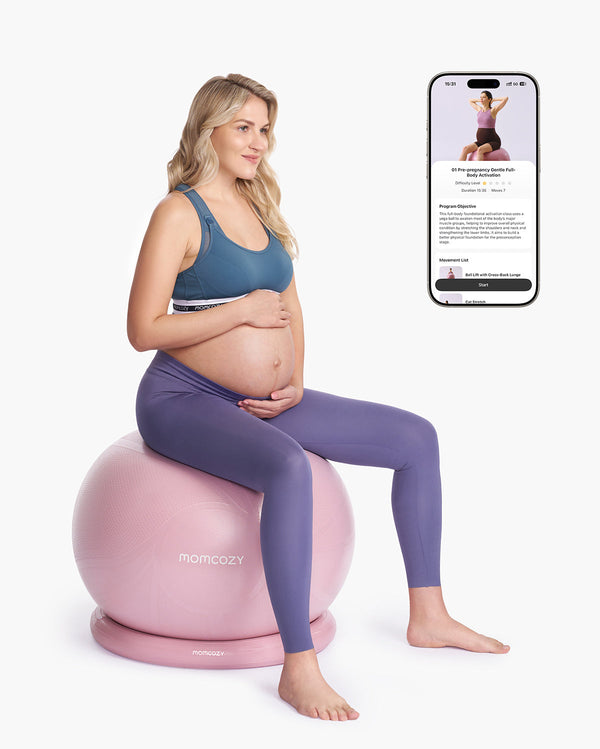
For guided, low-impact support once your care team says gentle movement is appropriate, the Momcozy BirthEase Maternity Ball Set offers a stable, ergonomic base for careful postpartum mobilisation. It is a 65 cm BPA-free ball with anti-burst technology, a reinforced base, and a textured anti-slip surface. Through the Momcozy App you can access expert-led, phase-specific video courses tailored for postnatal recovery, helping you move with more confidence while your body heals.
Anti-Burst Design
Stability Base Included
Guided Training Program
3. Change positioning and posture
Avoid long stretches of lying completely flat if that worsens symptoms. Semi-upright rest with pillows behind your back can reduce pressure under the diaphragm. When you get out of bed, roll onto your side and push up with your arms to spare your abdominal muscles — a standard tip in UK caesarean recovery advice.
4. Ease trapped wind
Trapped wind is a frequent UK postnatal complaint after caesarean birth and can refer discomfort into the shoulder or neck. Alongside gentle walking, many maternity teams suggest warm drinks such as peppermint tea (if suitable for you), staying hydrated, and using a warm compress on the shoulder or neck once that feels comfortable. For more on gas-related discomfort, see Momcozy’s guide to gas pain after C-section.
5. Use heat and gentle stretches only with clearance
After your midwife or doctor confirms it is safe, a warm compress and very mild stretches may help ease secondary muscle tension in the neck and upper back. Avoid forcing the shoulder through pain.
6. Allow time for natural settling
Post-operative shoulder-tip discomfort is often self-limiting. As inflammation settles and internal pressure normalises, symptoms usually ease without invasive treatment. Supportive care and paced recovery matter more than forcing the shoulder aggressively.
Some clinical papers have explored complementary approaches such as auriculotherapy for post-caesarean shoulder discomfort. Evidence in this area is limited and not settled as standard UK postnatal care. This is not medical advice and is not a substitute for prescribed analgesia or clinical review. If you are considering any complementary therapy, speak to your midwife, GP or another qualified clinician first.
Breastfeeding and shoulder pain after a C-section
Feeding can intensify upper-body strain even when the original trigger is referred pain. Hunching forward or holding your baby without support loads the shoulders, neck and upper back.
To make feeding more comfortable:
- Sit upright with back support and keep your shoulders relaxed.
- Use pillows or a nursing pillow so your baby comes to chest height instead of lifting with your arms.
- Alternate positions such as side-lying or the rugby/football hold so the same shoulder is not stressed every feed.
- Consider supportive postpartum clothing once your clinician says a wrap is appropriate. The Momcozy Ergowrap Postpartum Belly Band combines ergonomic abdomen and lower-back support with mild compression intended to help stabilise your core and improve posture, which can make nursing less straining. After a caesarean, wait until your incision has begun to heal and follow product guidance plus your midwife’s or GP’s advice before use.
Postpartum
Support
Comfort
Effectiveness
Better body support and varied holds can reduce secondary shoulder tension while you recover.
When to worry about shoulder pain after a C-section

Most shoulder pain after a C-section is temporary. Contact your midwife, maternity triage line, GP or emergency services as appropriate if you notice:
- Progressive pain that does not ease with movement, rest or the relief measures you have been advised to use
- Chest pain, breathlessness (dyspnoea) or dizziness/vertigo
- Redness, fever, or swelling around the incision or shoulder
- Numbness, tingling or weakness in the arm or shoulder
- Constant pain that is not following the expected healing pattern
For general caesarean recovery expectations in the UK, see the NHS page on recovery after a caesarean. Early review helps keep recovery safer if something atypical is developing.
How to reduce the chance of ongoing discomfort
Some discomfort can be part of healing, but these habits may lessen severity:
-
Move gently and often — short walks to ease stiffness and internal pressure
-
Protect your posture — sit tall for feeds and rest; avoid prolonged hunching
-
Alternate baby-holding positions — side-lying, rugby hold and well-supported upright feeding
- Use heat and gentle stretches only when cleared
-
Rest and hydrate — recovery needs sleep where you can get it, plus steady fluids
FAQs
Is shoulder pain normal after a C-section?
Yes. It is common and is usually linked to diaphragmatic irritation and referred pain. It is typically temporary and does not, on its own, mean something is seriously wrong — but new or severe red-flag symptoms still need clinical advice.
How long does post C-section shoulder pain last?
Most pain eases within a few days, though light discomfort can linger towards the end of the first week for some mums.
Does shoulder pain mean something is wrong?
Not usually. Seek assessment for severe or persistent pain, especially with fever, swelling, breathlessness, chest pain or numbness.
How do you treat shoulder pain after a C-section at home?
Follow your discharge pain-relief plan, mobilise gently, avoid long flat lying if it worsens symptoms, ease trapped wind where relevant, and use posture support for feeds. That is the practical core of how to treat shoulder pain after a C-section while you heal.
How long does it take to heal internally after a C-section?
Surface symptoms can settle sooner, but internal healing typically needs at least 6 to 8 weeks. Keep your postnatal check appointments and follow individual advice from your maternity team.
Conclusion

Pain in the shoulder after a C-section is a common, usually temporary part of early recovery for many new mums. Understanding referred pain, treating discomfort with movement, posture, prescribed analgesia and wind-care strategies, and knowing when to call your midwife or GP can make those first days more manageable. With paced recovery and the right support, you can focus more on healing and bonding with your baby.
Disclaimer: This article is for general information only and is not medical advice, diagnosis or treatment. Always seek advice from your midwife, GP or another qualified health professional about your own situation. Momcozy is not responsible for consequences arising from use of this content.