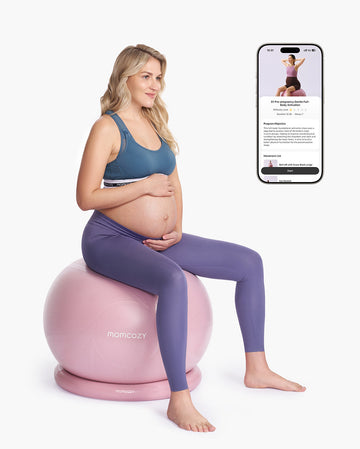
“Pregnancy is no ordinary journey.” New mums know all too well about the physical hardships of pregnancy. Changes in body shape and extra weight put a lot of pressure on body systems as hormonal changes soften and stretch connective tissues. Pregnancy balls help mums remain comfortable and provide much-needed support. They come by many names; whatever they go by, birthing ball, maternity ball or labour ball- pregnancy balls have come to offer wide-ranging support for pregnant mothers.
This article will educate you on everything you need to know about pregnancy balls. From the research that supports the benefits of using pregnancy balls to safe and easy use. We will also talk about the BirthEase Pregnancy Ball Set—Maternity Exercise Ball, which is a top choice for many mothers in the UK.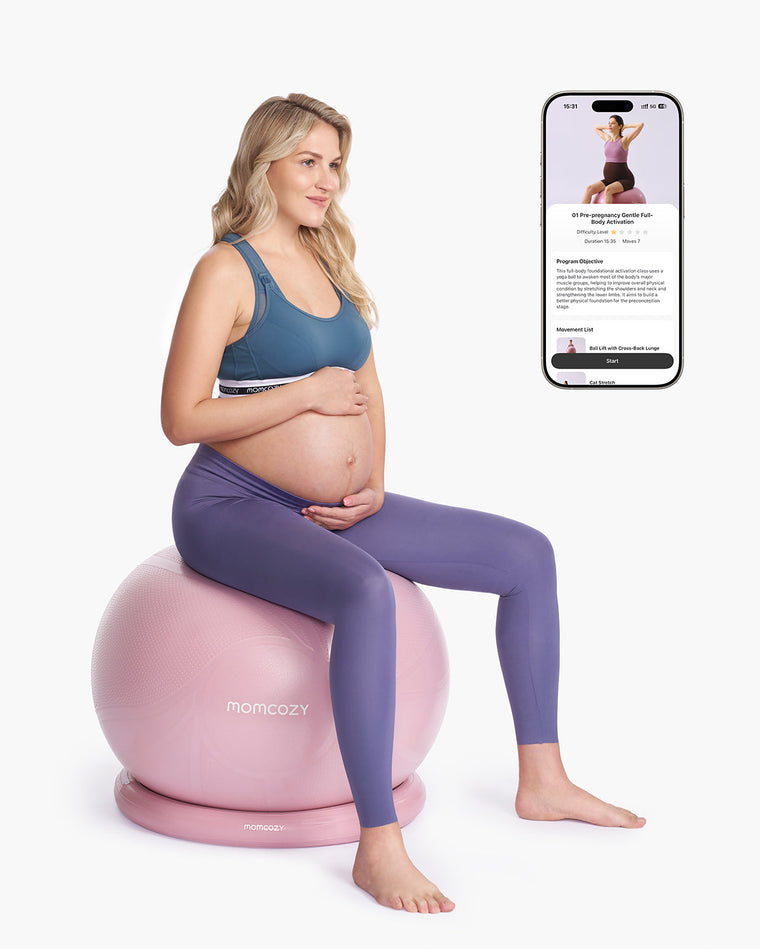
What is a Birthing Ball?
A birthing ball, also known as a pregnancy ball or maternity ball, is an inflatable exercise ball made specifically to support you through pregnancy and postpartum. These balls are made with durable anti-burst material and are larger than the average exercise ball to make them sturdier.
Birthing balls provide gentle but firm support to your back, hips, and pelvis, making long periods of sitting during pregnancy and labour more comfortable and ensuring your baby is in the best position for birth.

What is the difference between a birthing ball and a gym ball?
Although birthing balls and gym balls may appear to be the same, there are several differences:
- Size: Birthing balls are much larger (around 65 cm or 75 cm) to account for larger pregnant bellies
- Material: The material of maternity balls consists of anti-burst and non-slip material for added safety
- Purpose: The purpose of a birthing ball is to provide comfort and support through the entirety of pregnancy as well as to aid in labour, whereas gym balls are for general fitness
- Weight limit: Pregnancy balls maybe support much more weight than a gym ball.
The best choice to ensure safety is to buy a ball marketed as a pregnancy or birthing ball.
What are the Benefits of Using a Birthing Ball?
Here are some perks of using a birthing ball while pregnant:
- Eases back and pelvic pain: Pregnant mamas can sit on the ball and gently rock to take pressure off their back and pelvis.
- Strong posture: Because the ball is round, it pushes the mum to posture with her upper body open and her back erect. This is said to help the baby position itself correctly for the birth.
- Fetal positioning: Soft movements on a pregnancy ball can help position the baby favourably for birth.
- Swollen feet and ankles: Circulation can get better with the use of birthing balls, and this can help reduce swelling in the feet and ankles during pregnancy.
- Safe pregnancy workouts: Gentle bouncing and hip circles can help improve flexibility and support low-impact movement.
- Stress relief: Mamas on the go with the birthing balls are less anxious and more relaxed from the gentle rocking and bouncing the ball provides.
Does a pregnancy ball actually work?
There is plenty of research and a ton of evidence from pregnant mamas that back the ball. Most NHS midwives from the UK recommend the use of the ball to support birth activity.
Should I use a birthing ball?
Most UK mums can benefit from using a birthing ball with the exception of a few special situations. If you have any medical concerns, consult with either your midwife or doctor before using the ball. If you have placenta previa, early rupture of membranes, severe pelvic pain, or are bleeding, you'll definitely want to get checked out before you use the pregnancy ball.
When Can I Use a Birth Ball?
Pregnancy balls come in handy during pregnancy, labour, and postpartum.
- During Pregnancy: For improving posture, reducing aches, and doing light exercises.
- During Labour: Managing contractions and promoting movement and relaxation
- After Birth: Helps exercise the body and soothes postnatal sore muscles.
When should you start using a pregnancy ball?
You can start using a maternity ball when you feel comfortable, which is usually in the second trimester, and many UK mums use them at 20 weeks for gentle exercises and seating. You can start using it for a time per day, which is around 10-15 minutes; then you can increase the time if you feel comfortable. You should always trust your body but also check in with your doctor for their recommendation.
How to Choose a Pregnancy Ball
Selecting the right pregnancy ball ensures safety and effectiveness. Here’s what to look for:
Proper Size Matters
- Height Guide: Seated, your knees need to be level with your hips. Height and size impact which ball you should use.
- Under 5’4” (162 cm) <= 55 cm
- 5’4” to 5’10” (162 to 178 cm) 65 cm
- 5’11” (178 cm) and taller > 75 cm
Anti-Burst Material
- Choose a ball made from thick, anti-burst material. This ensures that in the unlikely event of a puncture, the ball will deflate slowly rather than burst.
Non-Slip Surface
- Look for a non-slip surface that helps prevent slips on smooth surfaces.
Weight Capacity
- Select a ball that comfortably supports your weight—most maternity balls are rated for at least 300kg.
Included Accessories
- Many UK mums prefer sets like the BirthEase Pregnancy Ball Set—Maternity Exercise Ball from Momcozy, which include a pump and exercise guide for safe and easy use.
British Safety Standards
- Check that your ball meets UK safety standards for peace of mind.
How to Use a Birthing Ball

It's pretty straightforward, but there's an proper technique involved to increase safety and comfort. This is how.
Sitting
This starts with sitting on the ball and ensuring your feet are flat and shoulder-width apart. Sit so your hips are higher than your knees to ensure comfort and safety. Gently rock side-to-side and make circles.
Leaning
To take the pressure off, kneel with your chest and arms on the ball. If you want to, place the pressure on the ball and lean forward, opening up the pelvis- that helps a lot with contractions.
Hugging
On your knees, embrace the ball and relax.
Standing and Leaning
With the ball supported against a structure, lean your torso forward, and support it on the ball.
Keep the ball against a surface that will not slide. Labour and late pregnancy are times to have someone nearby supporting you.
Top Tips for Using a Birth Ball
- Pump it up: It’s important to inflate your ball to the recommended pressure to make it strong and supportive.
- Check your position: Your feet should be flat on the ground through the entire workout.
- Start slowly: Shorter sessions are a good starting point until you adjust to the ball.
- Wear grippy socks or go barefoot: Slippage is dangerous. Use textured socks or workout barefoot.
- Use with support: Use a wall or chair for additional support.
- Clean regularly: Clean your ball with mild soap and water. Replace as needed.
- Replace if damaged: Never use a ball with visible damage or leaks.
- Follow your midwife’s advice: Every pregnancy is different, so be sure to ask a professional before making any decisions.
FAQs
What if I am using a birthing ball for the first time?
To start, sit on the ball with your feet planted firmly on the ground. Have a person stand by until you feel stable. You can try rocking or moving your hips in a circle. This will take some practice.
Is it OK to bounce on a pregnancy ball?
Sure, gentle bouncing is completely fine and can actually be soothing later in pregnancy and even during early labour. It is crucial to avoid harsh movements.
Can bouncing on a birth ball induce labour?
It can not be guaranteed that bouncing will definitely start labour, but it will be helpful in getting your little one in the right position for labour to start, and if your body is ready to go, it can help the process.
Do I need to practice before labour?
Yes, getting comfortable with your maternity ball before labour begins will make it easier to use when contractions start.
Can I use a birthing ball after birth?
Of course, a pregnancy ball is a great aid for postnatal recovery and helps sore and tired muscles post-birth. Many mothers in the UK like to stretch with the pregnancy ball to help their posture. Make sure your healthcare practitioner gives you the ok to start recovery exercises beforehand so you can use the pregnancy ball safely after delivery.
Conclusion

A pregnancy ball, or birthing ball, maternity ball or labour ball, is a purchase UK mums will be glad they made. A ball like this is bound to make your pregnancy, and the labour that comes after, just that much more comfortable. It will pay for itself quickly, and give you everything you need to prepare for the future.
Momcozy has a pregnancy ball set that has received positive reviews from users and reviewers in the UK. You should always consult your GP or midwife for their input and experience, and then you'll be ready to start getting the benefits a pregnancy ball can provide during your pregnancy.