Knowing how to relieve pain after vaccination in babies helps turn a stressful clinic visit into something more manageable at home. Mild soreness, fussiness or a short fever are common while your baby’s immune system responds. This UK-focused guide covers what is normal, what to do after vaccination of baby, how long discomfort usually lasts, practical baby vaccine pain relief, and when to speak to a GP or call NHS 111.
What is normal after vaccination?
Side effects after jabs are common and often mean your baby’s immune system is responding. You may notice puffiness or redness at the injection site, a small lump, more fuss than usual, or short-term changes in sleep. Some babies develop a mild fever or seem sleepier for a day or two. These signs usually appear within about 24 hours and settle over a couple of days.
Not every baby reacts the same — age, which vaccines were given, and your baby’s temperament all play a part. Keep an eye on them even if they seem fine at first. If the injection site swells rapidly or the temperature rises sharply to about 39°C (102°F) or higher, contact your GP or call NHS 111 for advice.

What is often considered within the expected range:
- A mild fever (commonly under about 38.9°C / 102°F)
- Extra crying or fussiness that settles with comfort
- Soreness, mild swelling or a small bump where the needle went in
- Being a little more tired, or feeding a bit less than usual for a short spell
Babies differ. If your baby mainly looks tired and you are not seeing worrying symptoms, that can still be normal. Trust your instincts — it is better to ask for reassurance than to wait when something feels wrong.
Why is vaccination pain a concern?
Injection-site pain after a jab is expected and usually eases within a couple of days. Crying and local soreness typically fade too. Redness or a small bump may linger a little longer, then settle on their own in most cases.
Comfort still matters. If a baby is left distressed without soothing, later needle visits can feel more frightening. Extra cuddles, feeding and calm holding after the appointment help them feel safe while the sting passes.
How long does vaccine pain last for babies?
Most post-jab effects improve within days, though some settle over a longer stretch. Soreness around the injection site often lasts 1 to 3 days. Small lumps can linger longer and still clear without intensive treatment in many babies.
Plan to monitor your baby for about three days. If unusual behaviour or symptoms continue after that, speak to your GP or health visitor. If things worsen sooner — higher fever, spreading redness, poor feeding or unusual drowsiness — seek advice straight away rather than waiting out the full three days.
What to do after vaccination of a baby
On the day, NHS vaccination tips for parents suggest bringing the personal child health record (red book in England), dressing baby in easy-to-remove layers (thigh injections under 12 months), staying calm, and holding your child during the jab. Afterwards, a cuddle is often enough for the first tears.
At home, expect the injection area to feel sore or look red for about 2 to 3 days. Offer feeds as usual, keep rooms comfortably cool if there is a fever, and avoid over-wrapping. Do not give aspirin to anyone under 16 unless a doctor has prescribed it. If you are worried about the reaction at any point, contact your GP or call 111.
For the MenB vaccine at 8 and 12 weeks, UK guidance also recommends routine infant paracetamol to lower the chance of fever — see the dedicated section below rather than waiting for a temperature to appear.
How to relieve pain after vaccination in babies
When you want clear baby vaccine pain relief, combine medicine (when advised) with simple comfort measures. Always check age, weight and the product leaflet, and ask a pharmacist, GP or health visitor if you are unsure.
Infant pain relief medicines
Infant paracetamol (the UK name for what many US guides call acetaminophen / Tylenol) is commonly used for discomfort and fever when appropriate. Ibuprofen for children is generally considered for babies from around 6 months in line with the original advice in this guide — confirm the exact product age limit with a pharmacist. Never give any medicine without checking suitability for your baby’s age and weight.
Cool compress and when to apply ice after vaccination
If you prefer to start without medicine, a cool compress on the injection site can ease mild swelling and soreness. Use a clean cloth wrung out in cool (not icy) water, or a cold pack wrapped in a thin cloth so it never sits directly on baby’s skin.
When to apply ice after vaccination for baby: after the appointment, once you are home and settled — typically for short spells if the site looks swollen or feels tender. Avoid hard ice cubes or long contact on infant skin. Stop if the skin looks irritated, and ask a clinician if swelling is spreading or worsening after 48 hours.
Breastfeeding, skin-to-skin and close comfort
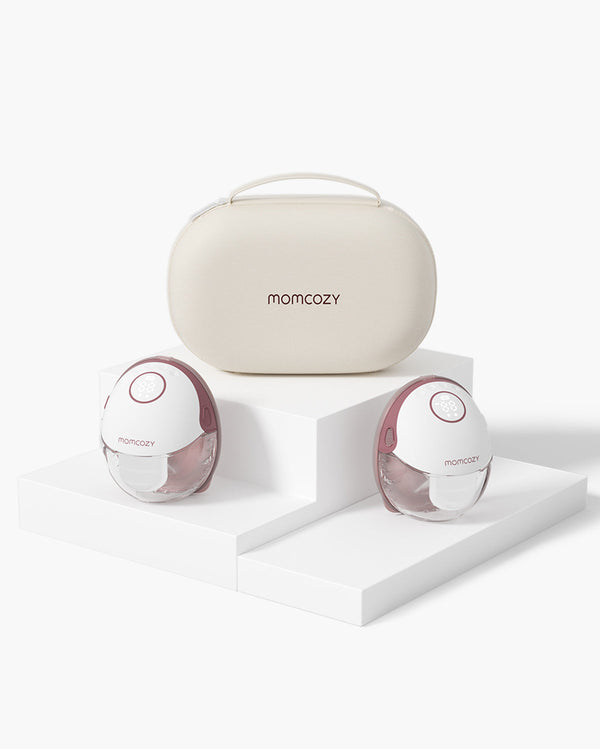
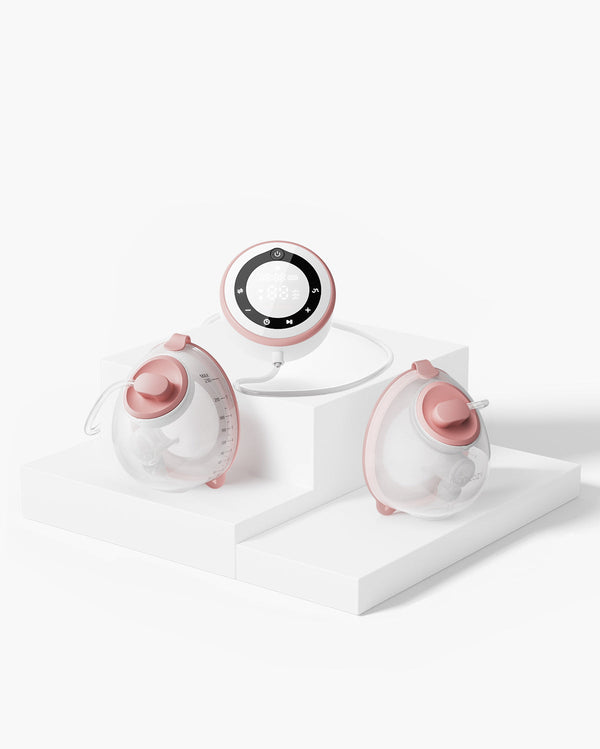
Skin-to-skin contact and breastfeeding are widely recommended comfort measures when a baby is sore or unsettled after jabs. Feeding soothes, distracts and keeps baby close. If you need to express milk while staying near your little one, the Momcozy M5 Smart Wearable Breast Pump is designed for hands-free pumping so you can keep contact without being tied to a wall plug.
Comfort Fit
Steady Output
Hands-Free Freedom
Easy App Control
Gentle baby vaccine pain relief options that often work together:
- Infant paracetamol when a clinician or UK MenB guidance supports it
- Cool compress on the injection area
- Breastfeeding or bottle-feeding for comfort
- Cuddling and skin-to-skin contact
Combining calm care with practical tools can ease your baby’s discomfort and give you more confidence after their shots.
MenB vaccine and routine paracetamol in the UK
UK guidance is specific after the meningococcal B (MenB) vaccine given with other routine immunisations at 8 and 12 weeks. Fever is more common after these appointments. Official advice is to give infant paracetamol suspension soon after vaccination — not only if a fever appears — to lower the risk of high temperature and help with irritability and injection-site discomfort.
According to GOV.UK MenB and paracetamol guidance, the usual product is infant paracetamol suspension 120 mg/5 ml, with three doses of 2.5 ml (60 mg): the first as soon as possible after the jab, then around 4–6 hours later, then another 4–6 hours after that. Leave at least 4 hours between doses and do not exceed four doses in 24 hours. Paracetamol is not routinely required after the 12-month MenB booster in the same way. Very premature babies need clinician-prescribed dosing by weight.
This is general information for UK parents, not a personal prescription. Always follow the latest leaflet from your immunisation team, the GOV.UK page, and the product packaging (or a pharmacist) for your baby. Fever after MenB often peaks around 6 hours and is usually gone within about 2 days; if fever lasts beyond 48 hours or you are worried sooner, contact your GP or 111.
Comfort tips to relieve pain after vaccination in babies
Alongside medicine and cool compresses, distraction and closeness help until discomfort fades. Public-health style comfort steps (including approaches summarised by sources such as the CDC) commonly include:
- Hold your baby during and after the injection
- Breastfeed or bottle-feed for comfort
- Gently rock or walk with your baby
- Use a baby carrier for close contact and calm

Keeping baby snug against you is one of the simplest ways to settle post-jab fussiness. A carrier such as the Momcozy PureHug Baby Carrier offers ergonomic, lightweight support so you can keep them close to your heartbeat while your hands stay freer for the rest of the day.
Ease of use
3-Size Adjust
All-Day Comfort
Medicines and doses to relieve pain after vaccination in babies
For younger infants — especially under 6 months outside the specific MenB schedule above — pain or fever medicine should follow GP, health visitor or pharmacist advice. When needed, clinicians often suggest infant paracetamol for pain and fever. From about 6 months, ibuprofen may be an option if the product is suitable. Doses are based on age and weight; do not guess from another child’s bottle.
Some parents prefer a topical option if they are uneasy about oral medicine. Choose only baby-appropriate, fragrance-free products made with ingredients suitable for infant skin, and apply gently if a clinician agrees the site can have a cream. Oral medicine and ointments are temporary helpers — personalised advice from your GP or pharmacist still comes first.
Common options discussed with clinicians include:
- Infant paracetamol (often for younger babies when appropriate)
- Ibuprofen (typically from around 6 months, per product guidance)
- Baby-safe soothing ointments on the injection site when suitable
- Cool compresses to reduce swelling
Always ask a healthcare professional before giving your baby any medicine, and follow the syringe or spoon marks exactly.
When to see a doctor or call 111
Most post-vaccine symptoms are mild and ease within a couple of days. Contact your GP, health visitor or NHS 111 if:
- Your baby is under 3 months with a fever of 38°C (100.4°F) or above
- Swelling or redness worsens after 48 hours
- Your baby is extremely unsettled, hard to wake, or not feeding well
- You notice signs of a serious allergic reaction such as rash, breathing difficulty, or swelling of the face (seek emergency help if this happens)
When in doubt, trust your instincts. It is always acceptable to ask for peace of mind.
FAQs
How long does vaccination pain last for babies?
Injection-site pain often starts a few hours after the vaccine and lasts about 1 to 2 days, with many babies feeling better within 1 to 3 days overall. Mild swelling can linger a little longer and still settle over several days. Most improve with cuddles, feeding and a cool compress. If pain or swelling continues past about 3 days, or your baby seems very unwell, contact your GP or call 111.
Does paracetamol reduce vaccine pain in babies?
Paracetamol can help with fever, irritability and injection-site discomfort when used correctly. In the UK, infant paracetamol is routinely recommended after MenB vaccination at 8 and 12 weeks to prevent fever and ease discomfort — see the GOV.UK schedule above. For other vaccines, many clinicians still suggest using it when your baby clearly needs it for fever or significant pain, following the packet or pharmacist advice.
Some studies have explored whether giving paracetamol very early after certain vaccines might slightly affect immune responses; findings are not always clear-cut, and UK MenB advice still prioritises fever prevention at 8 and 12 weeks. This is not medical advice — follow your immunisation team and current NHS/GOV.UK guidance for your baby’s appointment.
How do I comfort my baby after vaccination?
Hold and soothe them. Cuddling, breastfeeding or bottle-feeding, skin-to-skin contact and gentle rocking all help. A cool, cloth-wrapped compress can ease local swelling. A soft carrier such as the Momcozy PureHug Baby Carrier keeps baby close while you move around. Calm attention goes a long way toward helping them feel secure again.
Conclusion
Vaccines protect your baby’s long-term health, even when the day of the jab feels hard. Fussiness and soreness are usually short-lived. Use simple comfort measures, follow UK advice on MenB and paracetamol when it applies, and speak to a GP or NHS 111 if anything worries you.
A cool compress may reduce swelling; a baby-safe cream may ease tenderness if a clinician agrees. Holding your baby in a carrier such as the Momcozy PureHug keeps them secure while you stay mobile. If you are breastfeeding, the Momcozy M5 Smart Wearable Breast Pump can help you stay close while protecting your milk supply. If something does not feel right, follow your gut — asking for help is always OK.
Disclaimer: This article is for general information only and is not medical advice, diagnosis or treatment. Always follow advice from your GP, health visitor, pharmacist or NHS 111 for your baby. Momcozy is not responsible for outcomes arising from use of this content.