It's day three. You're home from hospital. The community midwife is still due later, and both breasts feel tight enough that baby keeps slipping off. That is often breast engorgement: the whole breast feels hard and swollen, usually on both sides.
It is not the same as a blocked milk duct, which sits in one sore patch. And it is not mastitis, which can make you feel flu-like. The job tonight is to feed as usual, soften the areola if latch fails, cool the tissue, and get help if you feel worse. You do not need to force the breast empty.
Key Takeaways
- Breast engorgement is when the whole breast feels hard, tight and painful because milk and extra fluid have filled the tissue. It is not a cork you have to force out.
- It is common two to five days after birth when milk volume rises, often once you are already home, and it can return after a missed feed, nursery run, or when you are not breastfeeding.
- You generally feel well apart from the tightness. A local lump is more like a blocked milk duct. Flu-like symptoms or spreading redness need a GP or NHS 111.
- Tonight: feed as usual, soften the areola if latch fails, use a cold muslin between feeds, and skip extra emptying. The companion how-to has the full routine.
- If you are no better in a day or two, or you feel worse, get help. Do not wait it out with harder pumping.
What is breast engorgement?
Breast engorgement means the whole breast has filled with milk plus extra blood and fluid, so the tissue feels hard, shiny and sore. It is not a tank that is simply "too full", and there is no cork you can squeeze out.
The extra fluid sits in the tissue around the ducts. That swelling can flatten the nipple, so baby struggles to get a deep latch, which then makes the tightness worse.

Primary fullness after birth versus later engorgement
The first wave often arrives two to five days after birth, when volume rises. In the UK that is frequently after you have already gone home, with a community midwife still visiting. Later episodes look similar but have a trigger: a missed feed, a long gap, stopping breastfeeding, or pressure on the breast. Primary fullness usually eases as feeding settles. Later tightness can keep coming back until the gap or the pressure is sorted.
Breast engorgement symptoms
You cannot diagnose yourself from an article. These are the breast engorgement symptoms people most often notice, and only a clinician can tell you what is going on in your case.
Engorged breasts usually feel heavy, tight and tender through the whole breast, often both sides. The skin can look shiny. The breast may feel warmer than usual. The nipple can look flatter, so baby slips, coughs, or refuses the tight side.
A slight rise in temperature can go with ordinary fullness. Feeling properly unwell, shivery, or flu-like is a different picture. That needs a GP or NHS 111, because those signs can go with mastitis.
Redness and heat on different skin tones
Redness is harder to see on brown and black skin. Go by heat, pain, hardness, and how you feel in yourself, not only by whether the skin looks pink. If an area feels hotter and more painful, or you feel worse, treat that as a reason to get help rather than waiting for a colour change.
What causes breast engorgement?
Anything that lets milk sit, or that presses on the breast, can set it off. Milk volume commonly rises around days two to five, often once you are already home. Visitors, a longer night once baby finally sleeps, a rushed nursery drop-off, or a bank holiday with no one around to help you feed, all stretch the gap.
Going back to work with nowhere decent to express is another classic. You delay the session because there is no private room, and tightness follows. Our flexible pumping schedule guide is about keeping a rhythm you can actually keep, not extra emptying.
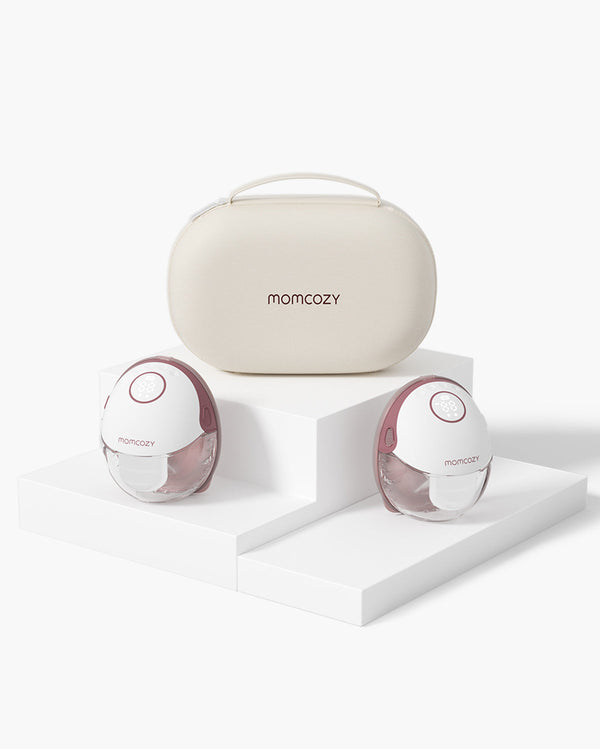
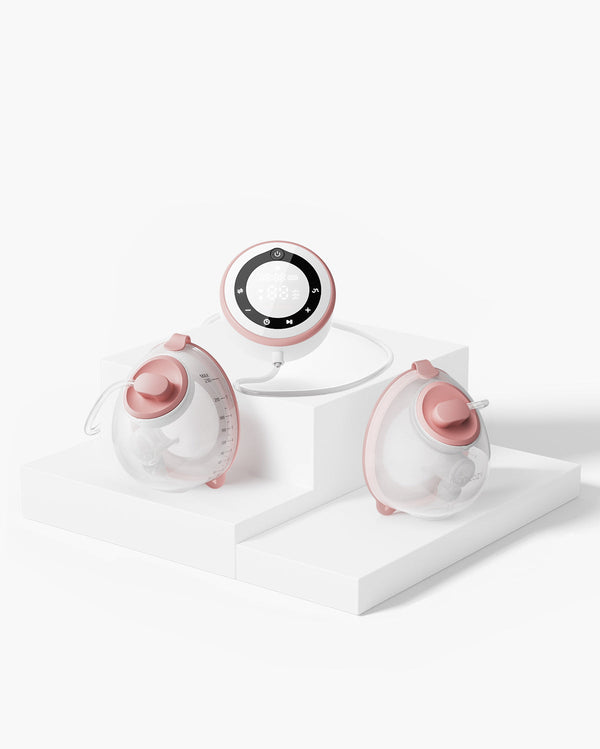
That skipped night or work express is where kit already in the bra helps the session happen. Momcozy Wellness 1 is that kind of kit, not a treatment for today's swelling. UK list price is £299.99. Check the product page for current availability.
A shallow latch, or a sleepy newborn who dozes after a few swallows, leaves milk sitting. Ask your midwife or health visitor to watch a full feed. That check beats buying more kit.

Engorged breasts and not breastfeeding
Engorged breasts and not breastfeeding often go together if you never started, you are stopping, or there has been a long gap. Milk still comes in, then has nowhere to go. Tonight still means comfort, a little hand expression if you need it, and cold between sessions. The full drying-up routine belongs in the companion how-to, not here.
Pressure counts too. A tight bra, a baby-carrier strap on the school run, the car seatbelt, or a heavy bag across the chest can leave a sore stripe. A well-fitting bra should support without cutting in. If you are shopping fit, start with our guide to nursing bras in the UK rather than sizing down "for support".
Extra IV fluids in labour can add to the puffiness in the first days. That is one reason early tightness can feel out of proportion to how much milk is there yet. It usually settles as the extra fluid leaves.

How long does breast engorgement last?
Early "milk coming in" tightness often eases over a day or two if baby is feeding well, though it can last a few days. A later episode after a missed feed can settle on a similar timescale once you are back on a comfortable rhythm.
There is no guaranteed clock. If lingering fullness is paired with flu-like symptoms, spreading redness, or a breast that will not soften at all, it is no longer "just engorgement". Raise it at the next midwife or health visitor visit if you are still in that window. If you feel worse before then, do not wait for the appointment.
Engorgement vs blocked milk duct vs mastitis
Whole-breast tightness, a local lump, and flu-like illness sit on a spectrum. Only a clinician can tell you which you have. This table is a starting map, not a diagnosis.
People also say clogged or plugged duct. In the UK, blocked milk duct is the usual phrase, and it is the same problem. Our blocked milk duct guide covers the local lump in more detail.
| What you notice | Breast engorgement | Blocked milk duct | Mastitis |
|---|---|---|---|
| Where it sits | Whole breast, often both sides | One tender patch, usually one side | Part or all of one breast, can spread |
| How you feel | Uncomfortable and tight, generally well | Sore at the spot, generally well | Flu-like, achy, can feel quite ill |
| Redness and heat | Skin may look shiny and feel warm | Over the lump; harder to see on darker skin | Spreading redness or streaks; breast feels hot |
| Fever | A slight rise can happen; you still feel fairly well | Usually none | Fever, shivers, or feeling feverish |
| What to do next | Feed as usual, cool between feeds, midwife or health visitor if it lingers | Same gentle plan; GP if no better in 12 to 24 hours | GP or NHS 111 the same day; follow NHS guidance on mastitis |
Can engorgement lead to a blocked duct or mastitis? Yes, it can, if milk keeps sitting and swelling builds. That is why the first job is a normal feeding rhythm and calmer tissue, not harder pumping. Worsening pain, spreading redness, or feeling unwell means you move from home care to a clinician.
How to ease breast engorgement tonight
Feed to need. Soften the areola if latch fails. Cool between feeds. Do not try to empty the breast.
This is first aid, not the full illustrated routine. Skip vibrating massagers tonight. They can bruise already sore tissue.
- Offer the breast when baby wants to feed, for as long as they want. Do not add extra sessions to "empty" it.
- If feeding hurts, check positioning and attachment. Sitting hunched on the sofa makes a shallow latch more likely. A more supported hold, such as with a Momcozy MaxSupport nursing pillow at £49.99, can help baby get more of the breast. Still ask your midwife or health visitor to watch a feed.
- If the areola is too tight for latch, try reverse pressure softening: a gentle one-minute press around the areola toward your chest wall, then a little hand expression only until baby can attach. The illustrated walkthrough sits in the companion how-to.
- Between feeds, lay a clean muslin soaked in cold water on the breast, or wrap frozen peas in a tea towel. A short warm kitchen flannel before a feed is optional only if it feels kind and the breast is not hot and angry.
- Wear a bra that does not cut in or leave red grooves. One well-fitting option is the Momcozy 4-in-1 hands-free pumping bra at £25.99.
- If you can usually take them, paracetamol or ibuprofen may take the edge off. Check the pack or ask a pharmacist. Do not take aspirin while breastfeeding unless a clinician has told you to.
- If baby will not latch and you need a pump tonight, use the lowest comfortable suction and only about baby's usual amount. If you already use Wellness 1, switch warmth and massage off. The warmth function is not recommended for engorgement, blocked ducts or mastitis.

That matches the calm plan La Leche League GB teaches for engorged breasts: feed, soften, cool, and stop short of forcing milk out.
Leave cabbage leaves, lymphatic massage strokes, sleep positions, and not-breastfeeding or weaning relief for the full guide to relieving an engorged breast. Cabbage has its own method; we already cover that in cabbage leaves for engorgement.
When to get help
If you are still in the midwife window, start with your community midwife or health visitor. They can watch a feed and tell you whether this still looks like ordinary fullness.
Contact a GP or NHS 111 if you feel flu-like, redness is spreading, or you are no better in 24 to 48 hours. Do not wait it out with harder pumping, and do not start or stop antibiotics on your own.
Seek urgent care if you feel dizzy, confused, or you start vomiting with these breast symptoms. Call 999 if you need to. NHS advice on breast pain while breastfeeding covers that pathway in plain language.
If the problem is latch, you do not have to wait for a clinic slot. NCT supporters can help, and the National Breastfeeding Helpline is 0300 100 0212. NCT's breastfeeding challenges page is a calm place to start.
How to lower the chance it comes back
Feed or express to comfort rather than stretching gaps, especially overnight and when you go back to work. Book the latch check with your midwife or health visitor before you buy more kit.
Watch the school-run carrier strap, the seatbelt, and a heavy bag across the chest. Those are the pressure lines that actually show up after a long day, not a mysterious "blockage".
Once the tightness has settled, the job is making the next night or work express happen so the gap does not open again. If you already use Wellness 1, that is everyday rhythm, not another go at forcing today's swelling.
FAQ: Quick Answers to Common Questions
What is breast engorgement?
It is when the whole breast feels hard, tight and painful because milk plus extra blood and fluid have filled the tissue. The nipple can look flat, so latch gets harder. It is not a cork stuck in a duct, and you cannot diagnose it from an article.
How long does breast engorgement last?
Early tightness after milk comes in often eases over a day or two if feeding is going reasonably well, though it can last a few days. A later episode after a missed feed can settle on a similar timescale. If you feel worse, or you are no better after a day or two, contact your midwife, GP or NHS 111.
What is the difference between engorgement, a blocked milk duct, and mastitis?
Engorgement is usually whole-breast tightness, often both sides, and you generally feel well. A blocked milk duct is a local lump. Mastitis can include flu-like symptoms and spreading redness. They sit on a spectrum, so worsening symptoms mean you move from home care to a clinician.
Can breast engorgement cause a fever?
A slight rise in temperature can go with ordinary fullness. Feeling feverish, shivery or flu-like is not something to wait out at home. Contact a GP or NHS 111, because those signs can go with mastitis.
Why are my breasts engorged if I am not breastfeeding?
Milk can still come in if you never started, you are stopping, or there has been a long gap. The breast then has nowhere for that volume to go. Use cold for comfort and only a little expression if you need it. The full not-breastfeeding plan sits in the companion how-to.
What should I do tonight if my breasts are engorged?
Feed as usual, soften the areola if latch fails, use a cold muslin or wrapped frozen peas between feeds, and skip extra emptying. If you need a pump, use low suction and only baby's usual amount, with warmth and massage off. For the illustrated routine, use the companion how-to.
Conclusion
Breast engorgement is whole-breast tightness, not a plug and not automatically mastitis. Tonight is feed, soften, cool, and stop short of emptying. If you feel flu-like or you are no better, your midwife, health visitor, GP or NHS 111 is the next step, not a harder pump setting.
If you already use Momcozy Wellness 1, keep warmth and massage off while the breast is tight, hot or red, and use it again for usual-volume sessions once things have settled. The companion how-to has the longer routine.