Your body stretched for months to make room for your baby—then the bump shrank while your tummy still feels soft, crepey or folded. That gap between “I’m healed” and “I recognise myself” is common with loose skin after pregnancy, and it does not mean your recovery is failing. This guide explains why postpartum skin changes happen, what extra skin after pregnancy really is, realistic timelines, and what helps at home or through your GP in the UK.
Why Do Postpartum Skin Changes Occur?
Pregnancy stretches the skin out far further than normal for many months. When tissue is held in a stretched state, collagen and elastin fibres can become fatigued, so the surface may not completely “bounce back” after delivery—mainly if you carried twins, had multiple pregnancies, or lost weight rapidly. Hormonal fluctuations, fluid retention, and stretched abdominal muscles all impact the appearance of your belly, even if the numbers on the scale have come down.
Rapid deflation can cause loose skin post pregnancy to look more exaggerated as volume reduces at a faster rate than skin remodelling. Genetics, sun exposure, age, and previous weight cycles all play a part in elasticity. Strengthening the core, although it doesn’t help in preventing sagging skin, does a good job of tightening the muscular foundation beneath it—it’s muscle tone and posture that make you look best; skin just comes along for the ride.
What Are the Common Postpartum Skin Changes?
Loose skin after pregnancy normally refers to skin that hasn’t fully tightened up after the belly has gone down. It can look wrinkled, dangle slightly, or be felt most notably below the navel. Some mums feel chafing, sweat, or irritation in a fold of lower belly skin—especially in warm weather.
It helps to separate three overlapping patterns:
-
Postpartum fat retention: normal energetic stores that shift gradually over the course of months.
-
Changes in core support: diastasis recti or a weakened abdominal wall can force the belly forward even if the scale isn’t moving.
Pinch the lower abdomen gently: mostly thin and loose suggests skin; dense tissue may include fat; a forward profile with stable weight may involve core separation. Many bellies are a mix—all are normal postpartum variants described in postpartum skin guides.
Does Loose Skin After Pregnancy Go Away?
That’s sometimes the case, yes. Mild extra skin after pregnancy can get better in the first 6-12 months as the swelling goes down and fibres slowly remodel—particularly if weight change is gradual and strength is regained. Light wrinkling without a hanging fold frequently responds to time plus consistent habits.
Not everyone sees full rebound. When a skin creases permanently, hangs down as a visible apron, or constantly rubs against the skin underneath, it can only be tightened so much naturally. A GP or dermatologist will let you know what’s achievable and if the biggest culprit is skin, fat, muscle or scar tissue (similar to a C-section shelf).
Tips for Firming Loose Skin After Pregnancy
The postpartum stage is best cared for with biology-informed at-home care: muscles and strength return faster than skin, and those gains can make loose skin look less dramatic while remodeling is underway.
Strength and core control
Once you are cleared to exercise, concentrate on breath-based deep core activation, stability of your glutes and hips, and upper back strength to counteract feeding posture. Pelvic floor physiotherapy is also beneficial if you are experiencing diastasis symptoms. Don't try to do any intense crunches right away, unless you get the green light from a medical professional.
Cardio and daily movement
Brisk walking, swimming, or taking low-impact exercise classes could be good for your heart and help you lose fat gradually. Try to walk 20 to 40 minutes on most days at a pace that lets you talk in short sentences—it’s consistency, not intensity, that counts in the fourth trimester.
Nutrition that fits new-mum life
Food doesn’t make your skin shrivel up on itself, but the protein in every meal you eat does help to repair your muscles and the fluids and fiber in your diet help your digestion and make you feel good. It is better to be consistently regular with your meal times rather than crash-diet, as that makes the size changes happen so fast your skin can’t keep up.
Skin comfort basics
Moisturising your skin, wearing sunscreen and using a mild lotion can alleviate dryness and roughness of skin; they won’t make lax skin vanish, but they may help you feel a little more at ease in your skin. Retinoids or other potent actives require a breastfeeding and safety consultation with your GP. Massage with plain oils may support routine and body awareness rather than dramatic tightening.
Support during daily activity
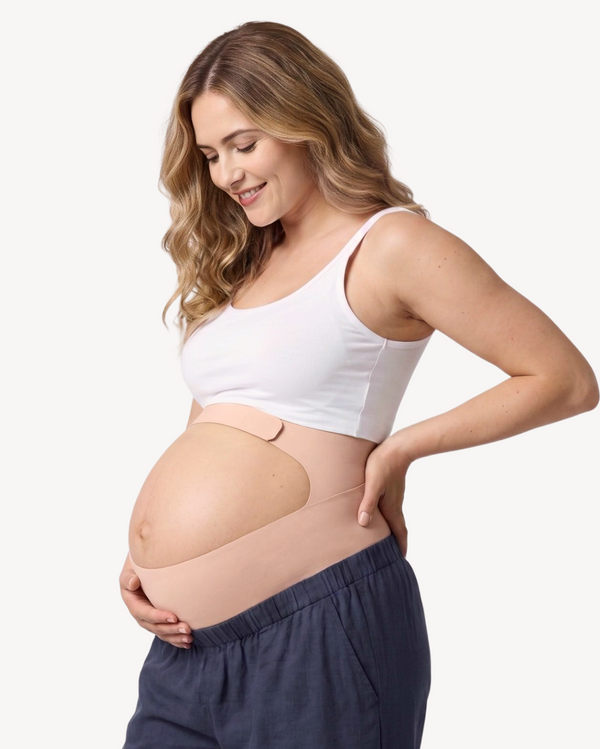
Many mums want gentle compression during feeds, walks or chores—especially early postpartum or after caesarean birth when a clinician approves binders. The Momcozy ErgoWrap Postpartum Belly Wrap features a customisable core support that could improve posture and comfort throughout the day as you regain your strength.
Postpartum
Support
Comfort
Effectiveness
Can You Prevent Loose Skin After Pregnancy?
The purpose is to minimise the over-distension and maintain tissue integrity during pregnancy and after delivery: pregnant weight gain under clinician guidance, gradual loss postpartum, pre- and postnatal exercise as tolerated and simple skin care (moisturising, sun protection, hydration). Even if you have great habits, a few people just lose excess skin after pregnancy slowly—and that’s totally normal, not a personal failing.
How Long Does It Take for Skin to Tighten After Pregnancy?
The physical alteration seems to begin during the 8- to 12-week postpartum window, and a few months later after the first period. For a lot of women, the most noticeable change in belly skin occurs at the 6- to 12-month mark when weight is more stable, and exercise is more regular. Slow improvement may continue up to 18–24 months after significant stretches.
If genuine skin laxity—not fat or core weakness—has changed very little by around 12 months, progress usually stalls. That is a good point to reexamine options with a qualified clinician as opposed to doubling down on unproven quick fixes.
Medical Options for Loose Skin After Pregnancy
If home care for your abdomen or belly skin are not effective or do not meet your expectations, then clinical or surgical options could be options. Combine the treatment with the main problem: skin, fat, muscle, or a combination.
-
Abdominoplasty (tummy tuck): The most direct route for a significant number of patients with hanging skin; can also be used to treat pannus wall laxity in select patients. Abdominoplasty is normally deemed cosmetic and not provided free of charge by the NHS—exemptions can be made in cases where an overhang of skin is causing debilitating functional problems such as ongoing infections or impairing mobility, under the guidance of a local integrated care board.
-
Liposuction: Extracts fat, not skin; best when skin is elastic, and a layer of fat is significant.
-
Combined “mummy makeover” plans: Customised sets of procedures—more complex recovery, needs home support.
-
Energy-based tightening: Radiofrequency, ultrasound, laser, or microneedling may all cause a mild increase in collagen production over a period of months; results vary, and a series of treatments is typically required.
-
Cryolipolysis: Fat deposits can be targeted, not loose skin; unusual risks should be disclosed by a reputable provider.
The private fees involved in surgery options are far more than just the surgeon fees once you add in anaesthetist and theatre charges—always get a full written quote. Everything above is general information only and not a recommendation for treatment; discuss the risks and applicability with your specialist.
When Is the Best Time to Treat Loose Skin After Pregnancy?
The weeks after giving birth are tough—you’re exhausted, your hormones are all over the place, and your weight might still be fluctuating. Soft jogging is fine shortly after birth; do organised exercise after clearance. For procedures, clinicians usually prefer stable weight and realistic recovery support at home.
- Skin still changing month to month → keep habits, reassess later.
- Rapid weight loss continuing → stabilise first.
- Persistent fold irritation or rashes → book a GP consult sooner.
- Another pregnancy planned soon → delay elective surgery if possible—pregnancy will restretch tissue.
Does Your Body Shape Permanently Change After Pregnancy?
Yes—in many subtle, apparently ordinary ways. Muscle length, connective tissue, and sometimes skin texture are permanently changed by pregnancy, even if you go back to your former weight. Hips, ribcage spacing and breast volume may differ too. It’s not incompatible with feeling strong and comfortable; it’s just that “bounce back” narratives are an oversimplification of biology.
What Permanently Changes in Your Body After Pregnancy?
Typical long-term changes are loose abdominal skin, diastasis which doesn’t close fully, softer breast tissue, changes in the pelvic floor, and C-section scar remodelling. Stretch marks may lighten but often stay. So much of this work is functional rather than fixed—a supportive, instructive, and unhurried approach softens how you feel and move even when the mirror narrative is slower than social media would have you believe.
FAQs
How Do Celebrities Not Have Loose Skin After Pregnancy?
Celebrity postpartum photos never tell the full story: there are personal trainers, nutrition support, childcare that protects sleep, access to dermatology and private surgery, among other things considered. For most mums, slow and small changes in weight over a realistic period of time are more important than whatever magic “secret” might be going viral.
Is It Normal to Have Belly Fat After Pregnancy?
Yes. It is worth mentioning that the retention of fat favors breastfeeding and recovery. The lower belly is also usually the very last place to hold tissue. A combination of strength training, light cardio, and balanced meals will shift composition in months, not days.
Is It Normal to Gain Weight 7 Months After Giving Birth?
In the first year postpartum, weight may fluctuate with sleep deprivation, stress, thyroid changes, returning to work, and reduced activity. A slow increase is not unusual; continual gain or other symptoms should be checked out by a GP.
When Is It No Longer Considered Postpartum?
There is no single medical limit. Many clinicians consider the first 12 weeks to be the early postnatal period; hormonal and tissue remodelling may persist for a year or longer. If symptoms interfere with your life at any point, seek help—you don't need a label to be worthy of assistance.
What Is the Hardest Month of Postpartum?
Everyone's experience is different. Two to four months are typically referred to as a rollercoaster of emotions and physical shocks—initial adrenaline fades, sleep debt builds, and bodily changes feel extreme. Get in touch with your health visitor, GP or your local NHS services for postnatal mental health if you need support.
Can Breastfeeding Slow Skin Tightening?
Breastfeeding can influence appetite, sleep, and how quickly the body loses weight, all of which indirectly affect the look of your belly. The remodeling of the skin still takes months. When nursing and shedding pounds fast, concentrate on gradual weight loss, consume protein and fluids, and get permission for mild activity.
Do Collagen Supplements Help With Postpartum Loose Skin?
Evidence for dramatic tightening is limited. You could get protein and hydration from powders, but they weren’t the real thing. Think of them as non-essential extras; check with your GP about safety if you are breastfeeding or have allergies.
What If I Get Rashes or Odour Under a Belly Fold?
Trapping moisture can cause intertrigo or a yeast infection. Clean the skin frequently, keep it dry, wear loose, airy clothing, and apply a thin layer of zinc. The pain, fissures, or spreading redness need medical care—your GP may give you an antifungal or steroid cream if required.
Is a C-Section Shelf the Same as Loose Skin?
Not exactly. A shelf often mixes scar tissue, swelling, fat and lax skin above the incision. It may become softer over the course of months; scar massage and pelvic floor physiotherapy can assist once you are given the all clear. Sudden protrusion, discolouration, or pain should be assessed.
Will the NHS Cover Surgery to Remove Excess Skin?
Usually not for appearance alone. Some integrated care boards consider funding when documented functional problems—such as recurrent skin breakdown or severe daily restriction—meet strict criteria. Start with your GP and ask for written policy guidance for your area; private treatment remains the common route for cosmetic contour goals.
Conclusion
Loose skin after pregnancy is just part of the postpartum recovery journey for a lot of UK mums—not an indication that you did something wrong. Understand if what you're seeing is caused by laxity, fat, core support, or scar tissue, and incorporate appropriate strength work, gentle movement, skin comfort basics, and support tools such as the ErgoWrap Postpartum Belly Wrap as needed.
Postpartum
Support
Comfort
Effectiveness
Back Support
Comfort
Effectiveness
When folds cause ongoing irritation or do not resolve much within one year, a clinician can outline realistic next steps. Your body grew a human; patience and informed choices beat comparison every time.