If you are pregnant and your ribs feel squeezed in a hug that will not loosen, you are far from alone. Women often experience pregnancy rib pain—research on musculoskeletal pain indicates about 50–70% of pregnant women experience some level of upper-body or rib pain, particularly in the early and late phases of pregnancy. This is usually nothing to worry about, can be treated, and very rarely affects your baby. In this UK guide, find out when rib pain in pregnancy starts, what causes it, when it’s different to severe chest pain while pregnant and how you can relieve symptoms—with posture, sleeping tips, and using a maternity belly band for support.
When Does Rib Pain Start in Pregnancy?
Timing varies. Displacement of the diaphragm is a challenge experienced by many pregnant women beginning around weeks 24 through 28 of gestation as the uterus grows rapidly and exerts pressure against the lower ribs and diaphragm. Discomfort is often worse at about 32 to 36 weeks, then might ease somewhat in the final weeks, as the baby drops to a lower position. Height, baby position, breast size, and whether this is your first pregnancy all affect when, and how strong, you'll feel it (NHS physiotherapy leaflets say it's most frequent from 28 weeks on).
|
Stage
|
Typical pattern
|
What you might feel
|
Practical note
|
|
Early–mid second trimester (~20 weeks)
|
Some women report mild tenderness; most don't feel anything yet
|
Occasional twinge beneath the breast or at the side of the rib cage
|
Often linked to posture shifts and growing breasts rather than major uterine pressure
|
|
~24 weeks
|
Occasional twinge beneath the breast or at the side of the rib cage
|
A nagging, pressing pain or sharp blows to the ribs from within
|
Good time to start gentle side stretches and review bra support
|
|
~33 weeks and third trimester
|
Peak pressure phase for many pregnancies
|
Persistent pain, feeling like you have been bruised, shortness of breath, one-sided contractions
|
May improve after baby engages; seek review if pain is severe or right-sided and persistent
|
Rib Pain at 20 Weeks Pregnant
Rib pain 20 weeks pregnant is a bit less common than later on, but yes, it happens. Right now, hormonal flux, breast growth, and early postural compensation are usually more significant than full uterine height. Occasional mild pain, which responds to rest or movement, is usually nothing to be concerned about. Say it at your next antenatal visit if it lasts or you’re worried.
Rib Pain 24 Weeks Pregnant
Rib pain 24 weeks pregnant is when many mums say they first notice clear rib symptoms. The uterus is growing more rapidly, baby movements are stronger, and the rib cage may start to flare out. Unilateral pain is common if your baby has a preferred position. Mild stretching and a good bra can sometimes help at this point.
Rib Pain 33 Weeks Pregnant
Rib pain 33 weeks pregnant frequently reflects near-maximum upward pressure. The NHS week-by-week guidance notes sore ribs are common now—often from an active, head-down baby kicking upward. Constant intense pain beneath the ribs, particularly on the right side, should be assessed by a midwife or GP as a matter of urgency to exclude pre-eclampsia or other complications.
What Causes Rib Pain During Pregnancy?
Knowing the cause of your rib pain will help you select the appropriate treatment and relief—and keep you calm should the pain intensify. There is normally more than one mechanism involved.
Main Causes: Uterine Pressure and Baby Movement
The most common driver is your expanding uterus. After roughly 20 weeks, upward growth presses against the diaphragm and lower ribs—like packing a larger fruit into a smaller bowl. Something has to give, and often that “something” is your comfort.
Your baby’s kicks and stretches add sharp, localised jabs. Many mums describe feet or elbows “under the ribs”; that sensation is usually exactly what is happening. Pain may shift sides as your baby turns.
Body Changes: Hormones, Posture and Breasts
-
Relaxin and ligament laxity: Pregnancy hormones relax the ligaments that hold the sternum to the ribs and spine. The ribs spread to accommodate, which can lead to aches or a feeling of wobbliness in your ribs (Healthline lists relaxin as a source of skeletal pain, particularly in the ribs and rib cage).
-
Shift in posture: When your centre of gravity shifts forward, many women unknowingly arch the back or draw their shoulders back—this puts strain on the intercostals and the joints of the ribs.
-
Enlarged breasts: Heavy breasts cause the shoulders to be pulled forward and down, and this puts pressure on the upper back and ribs (UK musculoskeletal specialists suggest that this is a very common reason).
-
Fatigue and pressure on the diaphragm: Shallow breathing and a lack of space for the diaphragm can send discomfort into the ribs and shoulders.
These changes combined account for the severity of rib pain even though your body is undergoing good, normal work.
Is Rib Pain a Common Symptom of Pregnancy?
Yes. Rib and chest wall pain is among the most common musculoskeletal symptoms in pregnancy—especially during the second trimester and beyond. It is not a sign of failure or “doing pregnancy wrong.”
Common characteristics of normal pregnancy rib pain include:
- mild to moderate ache that comes and goes;
- pain that changes with position, baby movement or after rest;
- one-sided or shifting discomfort;
- tightness that eases with stretching, heat or better support.
If symptoms match the red flags in the section below, treat them as a separate issue—not “just ribs.”
What Can Be Mistaken for Rib Pain?
Not every ache beneath the ribs is just a case of musculoskeletal strain. Other conditions that mimic or coexist with rib pain include:
-
Heartburn and indigestion: Oesophageal muscles relaxing allows heat to travel through the chest and bottom ribs, leading to burning sensations which can occasionally be experienced as rib pain only (NHS patient advice).
-
Costochondritis: Swelling and inflammation of the cartilage that connects a rib to the breastbone in front of the chest that can cause a similar sharp chest pain, aggravated by deep breathing or movement.
-
Gallstones or biliary sludge: Gallstones are more common during pregnancy; if you have upper-right or middle-abdominal pain following a meal of fatty foods, especially if you have a fever or are vomiting, see a doctor (Healthline reports that levels of estrogen increase and gallbladder emptying is slowed).
-
Pre-eclampsia/HELLP: Long-standing pain beneath your ribs, particularly under the right side of your ribs, accompanied by headache, seeing spots, swelling, or vomiting—seek emergency assessment (NHS advice on stomach pain in pregnancy).
-
Pleurisy, infection or rarely pulmonary embolism: Sudden intense pain accompanied by breathlessness, cough, or fever is not “rib flare”—get emergency help.
If you are unsure, call your midwife or GP about the pattern rather than diagnosing yourself by where the pain is.
Chest Pain While Pregnant: Is It Rib Pain or Something Else?
Chest pain while pregnant needs to be evaluated promptly. Most are benign—heartburn, rib flaring from a growing bump, or muscle strain—but a handful warrant emergent evaluation.
|
Feature
|
More suggestive of common rib / musculoskeletal pain
|
Seek urgent advice (GP same day, 999 if severe)
|
|
Onset
|
Gradual, linked to growth, posture or kicks
|
Sudden, crushing, or “worst ever” chest pain
|
|
Location
|
Side or under-breast rib line; may wrap to back
|
Central chest pressure radiating to arm, jaw or back
|
|
Triggers
|
Worse after sitting slumped, certain baby positions, deep breath
|
At rest, with breathlessness, fainting, or heavy sweating
|
|
Associated symptoms
|
Mild breathlessness due to the size of the lump; ease by antacids in case of reflux
|
Severe headache, vision changes, leg swelling, fever, coughing of blood
|
|
UK action
|
Try posture, stretches, paracetamol with the midwife's agreement; raise with her at the next visit
|
Ring 999 if you are experiencing symptoms of an emergency; if not, contact your GP or NHS 111 to receive advice on how to proceed
|
The NHS Healthier Together chest pain in pregnancy pathway supports you in distinguishing between when you can look after yourself at home and when you need to get an appointment with a healthcare professional. Trust your instincts if something doesn’t feel right.
How to Relieve Rib Pain in Pregnancy
The good news about rib pain is that it generally responds well to some simple and safe treatments. Mix and match these strategies that work best for you, following the instructions below.
Step 1: Quick Relief Stretches
If you have tenderness, do a gentle side bend: raise the arm on the side of the pain overhead, and bend away from the pain. Hold for 15 to 30 sec and repeat as necessary. This flattens the ribs, making more space and relieving tension from the muscles between the ribs.
The cat–cow stretch on your hands and knees will assist with this as well: slowly round your back up, then allow your spine to gently sag downward. Move with your breath—never push your range. NHS leaflets advise similar side stretches as well as rest positions in a chair or on a gym ball to take the weight off the rib cage.
Step 2: Heat and Cold Therapy
Place a warm compress or heating pad on the area for 15 to 20 minutes to help relax the tight muscles—always place a towel as a barrier, never against the lump, and never if the heat feels too hot.
For the first 10–15 minutes, apply a cold pack covered with a thin cloth for a sharp pain or inflammation. Alternate methods and see what your body likes best. Don’t apply heat or cold to numb skin, over an area of poor circulation or an infection and discontinue use if you experience burning or stinging.
Step 3: Breathing Techniques
Rib strain is aggravated by shallow upper-chest breathing. Put one hand on your chest and the other on your belly; breathe in through your nose slowly until the lower hand rises more. It tightens your diaphragm and stops you from holding your ribs.
Try the 4-7-8 breathing: Breathe in for 4 seconds, hold your breath for 7 seconds, and breathe out for 8 seconds. When unease or worry has your chest clenched, take a few breaths.
Step 4: Better Posture and Support
Use a chair with good support, including a lumbar roll (a rolled towel can substitute). Relax your shoulders—don’t pull them back—as you imagine a long, gentle line extending from the crown of your head.
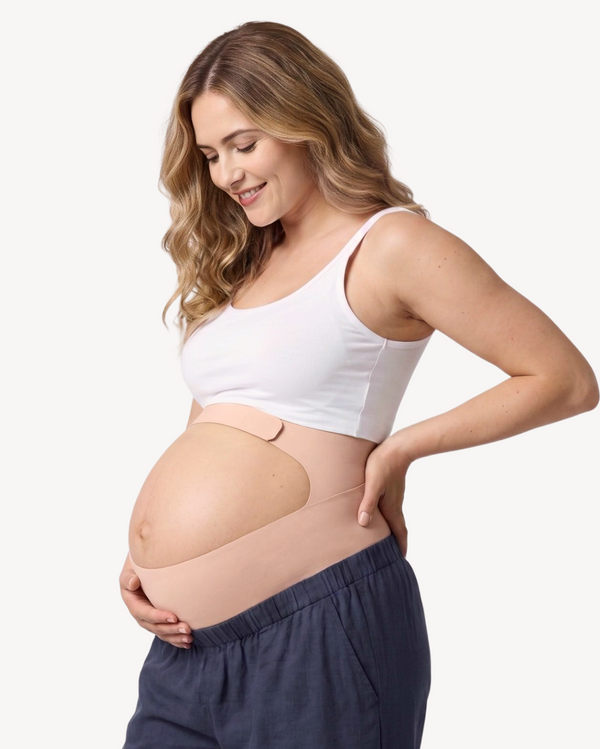
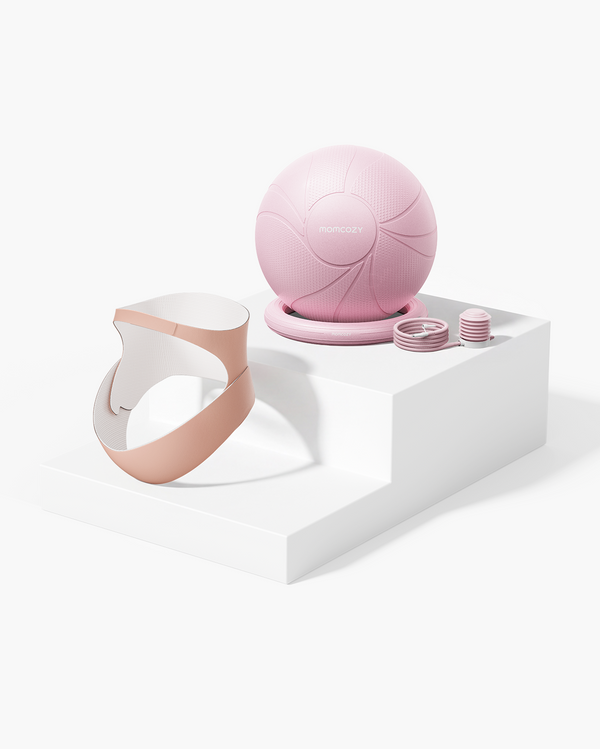
Stand with your weight evenly distributed on both feet, knees slightly bent, and rest one foot on a low stool if you will be standing for a long time. For everyday wear, a baby bump support band can support the bump and take the pressure off ribs and lower back. The Momcozy Ergonest Maternity Belly Band employs structured back support to balance abdominal weight—many mums say it’s a lifesaver when standing for long periods or doing housework. Shop the full pregnancy support belt range to find your fit.
Back Support
Comfort
Effectiveness
Step 5: Sleep-Friendly Positioning
Sleep on your side—left is usually advised for the later stages of pregnancy—place a pillow between your knees and rest your tummy on a pillow. Some women add a wedge behind the back or under the upper body to reduce rib compression.
Back sleeping is discouraged beginning at 20 weeks, if possible, because the weight of your uterus on your back could make you more breathless and it might also make your ribs feel more tender. A recliner or flexible bed may be a good option if you still end up getting the squeeze when lying on your side.
Step 6: Daily Lifestyle Adjustments
- Wear loose tops and non-underwire maternity bras that hold your breasts but don’t squeeze too tightly under your ribs.
- Opt for bands that sit below your belly, rather than beneath your ribcage.
- Interrupt your day with breaks for movement—rather than heavy lifting and sudden twisting.
- If acid reflux is contributing to your upper tummy pain, eat smaller meals, more often.
- Maintain your gentle activities—walking and pregnancy-safe yoga help keep you moving.
How Do I Massage My Ribs?
Give yourself a light rub with your hands to help ease any muscle tightness around the ribs—never push hard into the lump or where there is a sharp pain.
- Make sure you sit comfortably with your back against some support.
- Warm up the region (heat pad or warm towel) to relieve the tissues.
- Using the palm of your hand or the flat of your fingers, softly massage in a circular motion from your side ribs towards your upper back—refrain from touching the sternum and the middle of your chest.
- Work slowly for 2–3 minutes per side; stop if pain sharpens or breathing feels restricted.
- Follow with side stretches or heat as above.
Professional prenatal massage or women's health physiotherapy may help if self-massage is not enough—ask your GP or midwife for NHS referral options.
How to Sleep with Rib Pain During Pregnancy
How to sleep with rib pain during pregnancy is one of the most searched questions—and for good reason. Night-time aching steals rest when you need it most.
Practical sleep tips:
-
Side-lying with bump support: A pregnancy pillow under the belly and between your knees helps to align the spine and prevent lateral rib pull.
-
Upper body elevation: One or two pillows behind your back or a wedge under your shoulders can help open the rib angle.
-
Switch sides: If one rib line is sore, the other side may offer hours of relief—even if it is not your usual preference.
-
Pre-bed stretch routine: Two minutes of side opening and cat–cow before lights out.
-
Daytime belt use: Wearing a good-fitting support belt during your day-to-day activities in the evening may lessen night-time discomfort from overextension.
If you are in pain that stops you from sleeping on most nights despite doing these things, book a GP or midwife review—poor rest takes a toll on wellbeing and is something you should be supported with.
When to Worry About Rib Pain and See Your GP
Most rib ache is harmless, but certain patterns need prompt assessment.
Normal vs Concerning Signs
|
Usually normal
|
Concerning—contact GP/midwife promptly
|
|
Mild, occasional ache associated with kicking or posture.
|
Constant pain that is getting worse or is severe
|
|
Pain that eases with rest, heat or position change
|
Pain with high fever, cough after prolonged illness, or pain after trauma
|
|
One-sided discomfort that shifts as baby moves
|
Right upper pain with headache, changes in vision, swelling, vomiting
|
|
Burning is similar to heartburn which is often relieved by antacids or eating less at one time
|
Pain after consuming fatty food, particularly if accompanied by fever, vomiting, or pain between the shoulder blades (may be gallstones)
|
|
Shortness of breath on exertion only
|
Sudden breathlessness, pressure in the chest, dizziness, or pain while at rest
|
When to Call Your GP or Midwife
Call your GP surgery or the maternity triage on the same day if the pain:
- is so bad that you can't eat, sleep or carry on with your day-to-day activities;
- is associated with a fever, urinary symptoms, or vomiting;
- comes on suddenly and is severe, particularly if you are breathless or feeling faint;
- matches pre-eclampsia warning signs above.
If you have emergency symptoms such as crushing pain in your chest, collapse, or an inability to breathe, call 999. The NHS 111 service can also assist with triaging urgent, but not emergency, issues. Referral to physiotherapy by your GP may be possible if you have musculoskeletal pain that does not get better with self-care.
FAQs
Answers to frequently asked questions and common myths about pregnancy rib pain, from how long it lasts to what you can do about it to recovery postpartum.
What Is Pre-eclampsia Rib Pain Like?
The discomfort of pre-eclampsia is usually a dull ache or fullness under the ribs—traditionally on the right side—not a passing pang. It might feel different from heartburn because it’s not relieved by antacids. Look out for severe headaches, vision changes, sudden swelling of hands/face/feet, nausea or vomiting post mid-pregnancy, and reduced fetal movement. The NHS recommends an immediate review for severe or persistent pain under the ribs, more so on the right. If these signs all of a sudden start to appear, don't wait for a regular appointment.
Does Rib Pain Mean Baby Is Head Down?
Not necessarily. Rib pain can occur at any presentation, though head-down babies kicking upward are a common cause of late-pregnancy rib jabs. Only ultrasound or a clinician’s abdominal exam confirms position. Rib pain alone is not a reliable sign of engagement or labour readiness.
Will Rib Pain Go Away After Birth?
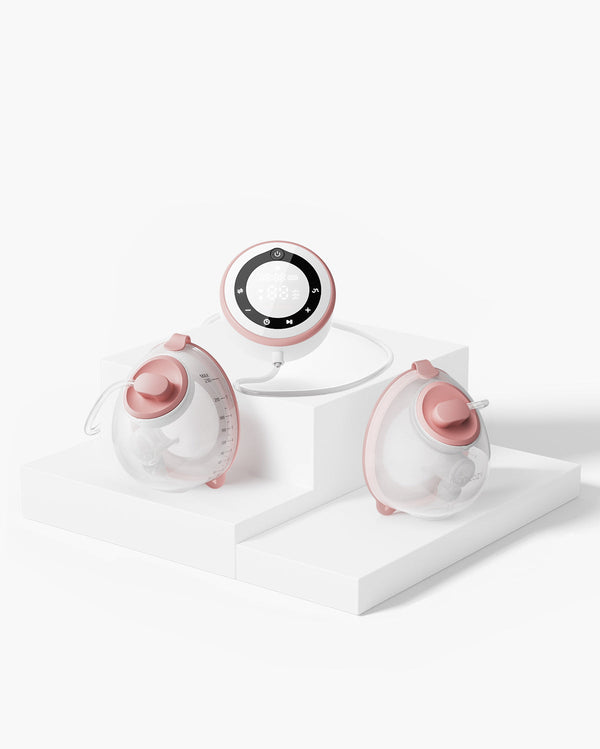
Most women feel clear improvement within a few weeks after delivery as the uterus involutes and organs shift back. Full correction may take longer if posture, posture when breastfeeding, or diastasis are a factor. Hormones are still elevated while you’re lactating, so a little rib or upper-back strain can hang around; gentle stretching and breaks for posture while you’re nursing help. Hands-free breast pumps allow for multitasking and reduce time spent sitting still while expressing, which may relieve postural rib strain for some new mothers.
Can Rib Pain During Pregnancy Hurt the Baby?
No. The usual musculoskeletal rib pain is not harming your baby—it’s just your body stretching and making room. While strong kicks can hurt, it’s just normal fetal movement. Get reviewed if pain is severe or associated with red-flag symptoms, not because common rib pain is putting your baby at risk.
Is Rib Pain Worse on One Side?
Yes—very common. Baby position, one-sided kicking, and natural asymmetry in posture often make left rib pain in pregnancy or right-sided ache more noticeable on a single side. Pain may switch as your baby moves. A support belt such as the Momcozy Ergonest Maternity Belly Band can help distribute weight more evenly and ease one-sided strain during long days on your feet.
When Does Rib Pain Start in Pregnancy?
Often from the mid-second trimester onward—many notice it around 24–28 weeks, with peak intensity in the third trimester. Some feel mild symptoms near 20 weeks; others barely notice until later. Every pregnancy differs.
Conclusion
Pregnancy rib pain is a challenging but usually normal part of growing a baby. Your rib cage, diaphragm and muscles are adapting to make room—discomfort does not mean something is wrong with your parenting or your pregnancy. From gentle stretches and smart sleep positions to breathing work and supportive gear such as the Momcozy Maternova Belly Band for everyday lift and the Ergonest for structured back support, small daily choices add up.
Back Support
Comfort
Effectiveness
Trust your instincts: implement relief strategies that fit your routine, and contact your midwife or GP if pain feels severe, persistent or unlike anything you have been told to expect. You deserve to feel as comfortable as possible during this chapter—and help is available when you need it.