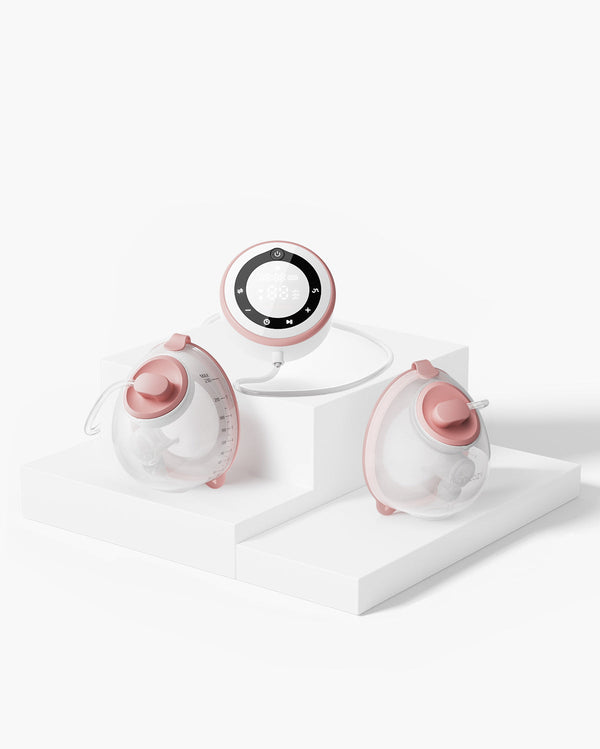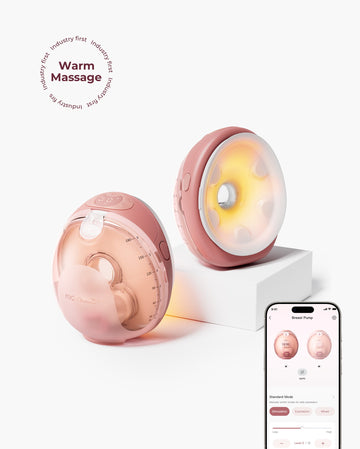
You’re on a short work pump break. Baby’s muslin is in your bag. The flanges feel cold. Minutes tick by and the cup is still barely dripping. Or you’re at the breast at 3 a.m., baby fussing because milk isn’t coming yet, and you start to wonder if something is “wrong”.
Milk letdown is the oxytocin-driven milk ejection reflex that pushes milk toward the nipple so it can flow. You can often trigger milk letdown with warmth, gentle massage, baby cues and calm pump settings. These tips help many mums. They do not replace a latch check, flange fit check, or support from a midwife, health visitor or IBCLC when feeding still feels stuck.
Key Takeaways
- Milk letdown (the milk ejection reflex) is oxytocin pushing milk toward the nipple. It is not the same as “milk coming in”.
- Feeling nothing is still normal. Watch for a suck–swallow change at the breast, or spray and faster flow in the flange.
- To trigger milk letdown: relax, use warmth, add gentle massage, use baby cues, then start the pump in stimulation mode.
- Slow let-down and fast or forceful let-down need different fixes. Do not treat them the same.
- Fever, spreading redness or severe breast pain means pause DIY heat tricks and speak to your midwife, health visitor or GP.
What Is Milk Letdown?
In short: milk letdown is your body’s automatic “release” of milk so it can leave the breast.
You may also hear milk ejection reflex, let-down, or letdown milk. They point to the same idea. “Milk coming in” around days two to five is a different stage, when volume rises after birth. You can have milk in the breast and still wait for a let-down to move it.
The hormone behind milk letdown is oxytocin. Prolactin supports making milk over time. Nipple stimulation from a latch or a pump sends a message to the brain. Oxytocin then helps tiny muscles around the milk-making areas squeeze, and milk moves down the ducts.
Without that push, you may only get the small amount sitting near the nipple. With it, flow usually picks up. Most feeds and pump sessions include more than one let-down. Flow can surge, slow, then surge again if you keep going.

What Does Milk Letdown Feel Like? Signs to Watch For
There is no single correct feeling.
Some mums notice tingling, warmth, tightness, pins and needles, or a sudden fullness. Others feel nothing and still have a healthy let-down. Both are normal. The milk letdown feeling can also change as supply settles.
At the breast, early sucks are often quick and shallow. After let-down, suck–swallow usually lengthens and you may hear swallowing. Milk can leak or spray from the other side at the same time.
On a pump with clear flanges, drips often turn into streams or sprays within the first couple of minutes. That visual change is a useful sign when you feel nothing.
In the first week or so, some mums also feel womb cramps (afterpains) when oxytocin rises. If they bother you, ask your midwife or pharmacist about suitable pain relief such as paracetamol. Do not start or change medicines from a blog tip alone.
How to Trigger Milk Letdown (Feeding and Pumping)
Start with comfort and cues first. Stronger suction is not a faster trigger.
UK midwives often suggest warmth and gentle massage before feeding or expressing. Build those steps into a short routine you can repeat, so your body learns the cue.
- Relax for a minute. Drop your shoulders, slow your breathing, and use the same chair or corner when you can. A predictable pre-feed or pre-pump sequence helps the reflex become conditioned.
- Add warmth. A warm flannel, a brief shower, or built-in pump warmth can soften a cold start. On cold UK mornings, or in an air-conditioned office, chilly silicone often makes tissue feel tight. Mild heat before or during the session is usually more useful than cranking suction.
-
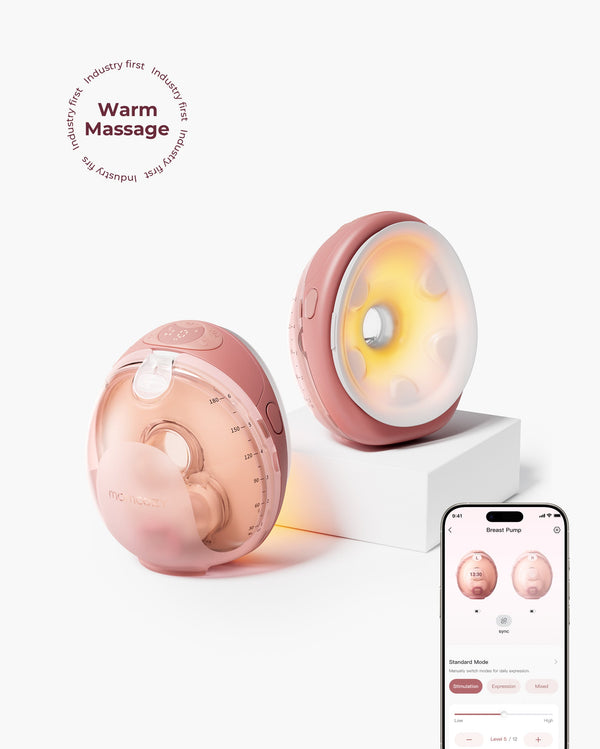
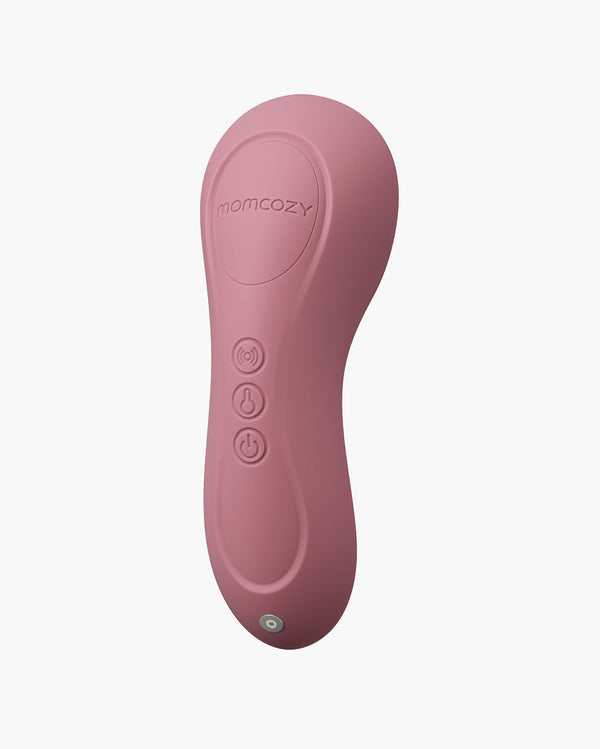
Massage gently. Circular strokes toward the nipple, or a light nipple roll, can help. Some mums use a small lactation massager for a minute before the pump. If you want warmth and rhythmic massage with suction in one wearable instead of juggling kit on a short break, Momcozy Wellness 1 is built for that job (warmth settings 37°C, 39°C and 41°C).
- Use baby cues. Skin-to-skin helps at home. Away from baby, a photo, a short video, or a muslin that smells of them can still nudge oxytocin.
- Start the pump in stimulation mode. Use the fast, light “let-down”, “massage” or stimulation setting first. When you see spray or a clear flow change, switch to expression. If flow stalls later, go back to stimulation for another minute, then express again.
- Keep suction comfortable. Pain blocks oxytocin. Recheck flange fit if rubbing or blanching starts. Hands-on compressions while you pump can help a second let-down. A hands-free pumping bra keeps flanges steady so you can compress without juggling cups.
- Cover the bottles. Staring at millilitres in a shared pump room raises stress for many mums. A sock or cloth over the bottle buys you a calmer few minutes.
UK work pump breaks are often short and rarely private. A small ritual (warmth, muslin, stimulation mode, covered bottle) usually beats hoping max suction will force a let-down. Many of the same habits sit in our guide to breastfeeding essentials for working mums. If cold flanges are half the battle, heated and warm-massage pumps are another way some mums shorten the warm-up step.
Why Milk Letdown Can Be Slow or Missing
A delayed let-down is common and often temporary.
Stress hormones, pain, cold flanges, extreme tiredness, or feeling watched can all slow oxytocin. Feeding out and about in a café, on a bus, or at a family gathering is a classic trigger for that “shy hormone” feeling. Finding a quieter corner, using a nursing cover only if it helps you, or expressing a little in private first can take the pressure off.
If milk has come in but no letdown seems to arrive, check the basics: latch comfort, engorgement that makes attachment hard, and flange size on a pump. NHS advice on breast engorgement is a calmer starting point than buying another gadget.
Pumping away from baby removes many natural cues, so sessions can feel slower than nursing even when supply is fine. If baby’s nappies, weight or transfer still worry you, slow flow may be a supply or transfer issue rather than “just” let-down. Sorting common pump problems from true low milk supply signs helps you decide what to fix first, then talk to a midwife, health visitor or IBCLC.
In the UK, start with your midwife or health visitor. Many areas also have an NHS infant feeding team. The National Breastfeeding Helpline offers trained volunteer support by phone. For urgent worry, use NHS 111 or your GP.

Fast, Forceful or Painful Milk Letdown
Fast milk letdown needs different care from a slow one.
If baby coughs, gulps, pulls off or clamps down when flow surges, you may have a forceful let-down. Laid-back positions (baby more on top of the breast) can soften the spray. Some mums hand-express or pump for a minute to catch the first rush, then latch. Avoid extra “just in case” pumping after every feed if you already feel overfull, because that can keep supply climbing.
A brief tingle can be normal. Sharp milk letdown pain, cracked nipples, or pain that lasts through the whole feed needs a latch or flange check, not tougher settings. Fever, a spreading red area or a breast that feels hot and worse by the hour is a clinical problem. Follow NHS guidance on mastitis and contact your GP, midwife or health visitor promptly.
A smaller group of mums feel a sudden wave of anxiety, dread or sadness right as milk lets down. That pattern is sometimes called D-MER (dysphoric milk ejection reflex). It is a hormonal reaction, not a sign you are failing at breastfeeding. If it happens to you, speak to your GP or an IBCLC. Mild distraction and cutting back on caffeine help some people, but get personal advice rather than self-diagnosing from a list.
Catching Letdown Milk and Leaks
Let-down usually happens on both sides at once, so the unused breast often leaks or sprays.
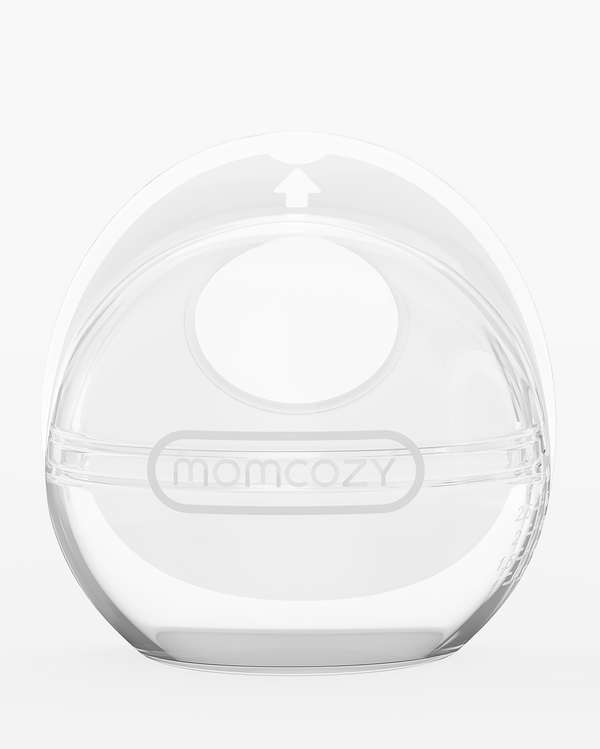
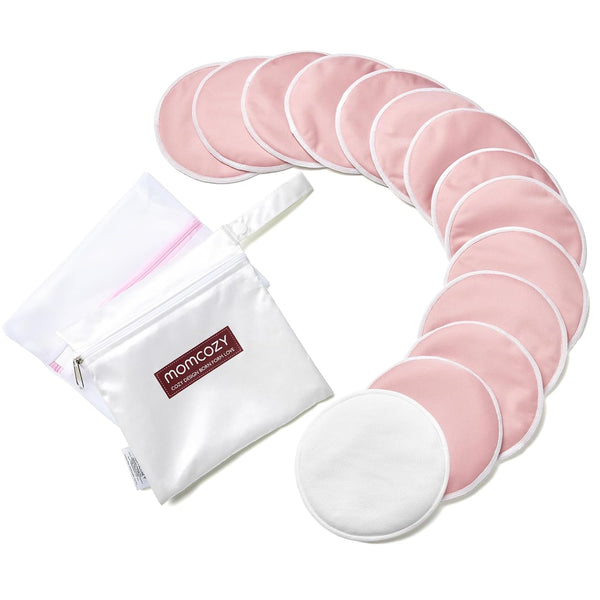
On ordinary UK days that can mean a damp bra in the pram queue, a spotted coat sleeve, or a sofa cushion after a feed. Nursing pads catch quiet leaks. A silicone breast milk collector can catch bigger sprays from the opposite side while baby feeds. If you only need discreet backup, reusable breast pads are usually enough.
Is that milk worth saving? Often yes, if you can collect it cleanly and store it safely. Volumes from a leak are usually small compared with how much milk to pump in a full session. Follow NHS-style storage timing from your local infant feeding guidance or midwife sheet rather than inventing fridge rules here.
FAQ: Quick Answers to Common Questions
What is milk letdown?
Milk letdown is the milk ejection reflex. Oxytocin helps push milk from deeper in the breast toward the nipple so baby or a pump can remove it more easily.
How do I trigger milk letdown when pumping?
Warm the breast, massage gently, use a baby cue if you are apart, then start in stimulation mode. Switch to expression when flow picks up, and return to stimulation if it stalls. Keep suction comfortable.
What does milk letdown feel like if I feel nothing?
Feeling nothing can still be normal. Watch baby’s suck–swallow pattern, listen for swallows, or look for spray and faster flow in clear flanges.
What hormone causes milk letdown?
Oxytocin causes the let-down squeeze. Prolactin is more about making milk over time. Both matter for breastfeeding, but they do different jobs.
Why does milk letdown hurt?
A short tingle can be normal. Ongoing pain often points to latch, flange fit or nipple trauma. Get a feeding assessment if it keeps hurting. Red-flag infection signs need clinical care.
How do I slow down a fast milk letdown?
Try a more laid-back position, express a little before latching, and avoid extra pumping that keeps oversupply going. An IBCLC can help if baby still struggles with flow.
Can anxiety affect milk letdown?
Yes. Stress and feeling watched can delay oxytocin. A calmer routine usually helps. Separate D-MER-type dread at the moment of let-down should be discussed with a GP or IBCLC.
Conclusion
Milk letdown is oxytocin doing its job, not a test you pass by maxing pump suction. To trigger it, stack the cues UK midwives already teach: warmth, gentle massage, baby signals, and a calm start in stimulation mode.
If pump-side let-down stays stubborn because cold flanges and hand massage never fit a real work break, Momcozy Wellness 1 builds warmth and massage into the session. If heat alone and a simple routine already work, keep the simpler kit and spend your energy on fit and timing instead.