MEDICALLY REVIEWED BY

Louise Broadbridge is a registered midwife with 30 years of experience in healthcare and 15 years working as a qualified midwife. She is the founder of The Honest Midwife, an antenatal education platform supporting parents through pregnancy, birth and the early days of parenthood. Louise is BFI accredited and passionate about giving parents straightforward, evidence-based information they can actually use.
That first week back can feel oddly lonely even in a busy office: cooler bag by your desk, one eye on the clock, hoping you won’t miss a session between meetings. You’re not the only mum doing this. Pumping at work is how plenty of us keep milk ready for childcare while we’re apart from our babies.
Here’s what helps most: knowing what you can ask your employer for, how to raise it with your manager or HR, what to shove in the bag, how often to express, and how to keep milk cold until you get home. If feeds hurt, weight gain worries you, or you feel unwell with a hot, red breast, talk to your midwife, health visitor or GP.
Key Takeaways
- You can keep expressing after maternity leave with a little planning before day one.
- Tell your employer you are breastfeeding or expressing, and ask for a private rest space plus somewhere to store milk — toilets are not a suitable place.
- Express roughly as often as your baby would feed while you’re apart. For many mums that’s every three to four hours, but younger babies often need more.
- Pack your pump, spare parts, and a fridge or cooler plan before your first commute.
- An early chat with HR or your manager beats improvising in week one.
Can You Express Milk at Work?
Yes. Lots of mums express at work so someone else can feed their baby while they’re on shift or in the office. NHS advice on going back to work talks through the usual options: express milk for childcare, try nearby childcare if you want to nurse in breaks, or ask about flexible hours.
Your employer should give you somewhere decent to rest and express: private, clean, and not the toilets. There should also be somewhere to keep milk cold, such as a fridge. That’s set out in HSE guidance for employers. NHS Best Start advice on returning to work suggests telling your employer before day one so HR can help you plan.
Sort the room and fridge before you go back if you can. Hunting for a free meeting room with ice packs already thawing is a rubbish way to start week one.

Before Your First Day Back: Talk to Your Employer
A short email or chat before you return saves those awkward corridor conversations. You’re sorting logistics, not begging for a favour you have to justify every Monday.
What to ask for (space, fridge, break timing)
Ask where you can express, whether the door locks, and whether there’s a fridge (or if you should bring a cooler). Sketch rough windows that fit your baby’s rhythm — often mid-morning, lunch and mid-afternoon. Check who’ll cover your desk or ward calls for those fifteen to twenty minutes. On nights or a twelve-hour shift, say so upfront; your breaks won’t look like a nine-to-five office day.
How to raise it with HR or your manager
Keep it short and calm: you’re breastfeeding or expressing, you need a private space and somewhere for milk, and you’d like break times agreed before you return. Copy HR if your manager seems unsure. If you get stuck, ACAS advice on breastfeeding at work and the HSE rest-space points above can help — and your union rep, if you have one, can come with you.
What to Pack for Workday Expressing
Pack the weekend before you go back, so you’re not hunting for spare valves on Sunday night. Take enough to get through a full day without a dash to the chemist.
- Breast pump plus charger or charged batteries
- Flanges that fit, plus spare valves or membranes
- Bottles or storage bags and labels
- Cooler bag with ice packs, or a plan for a labelled shelf in the staff fridge
- Hand sanitiser, mild wipes or a small brush for a quick rinse
- Spare top and breast pads
Still timing your purchase around leave dates? When to buy a breast pump can help. For a longer packing list, we’ve got breastfeeding essentials for working mums, and if you’re choosing the pump itself, try our best breast pump for working mums round-up.
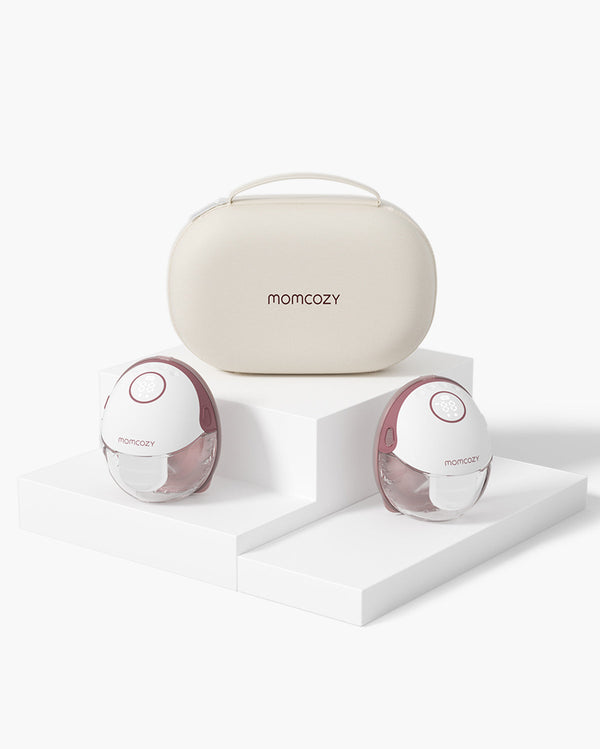
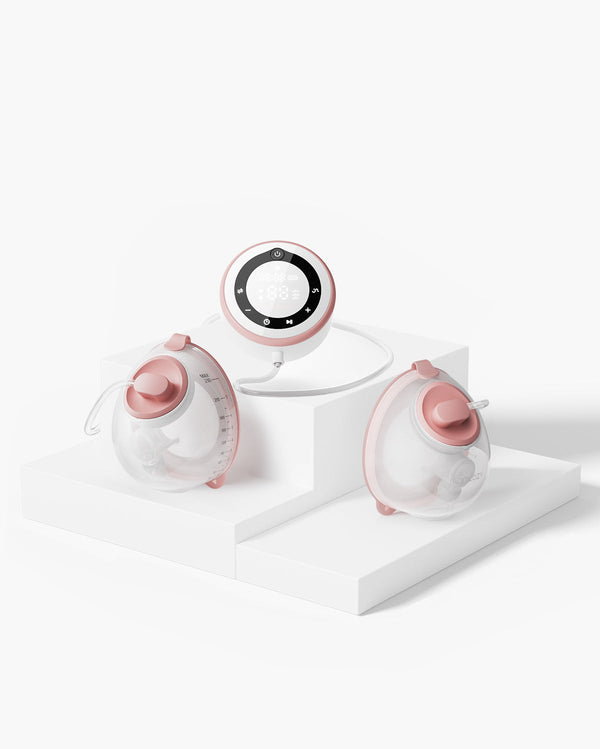
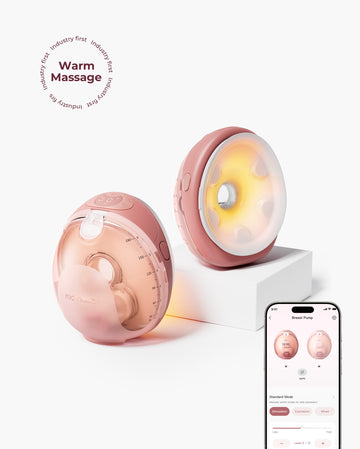
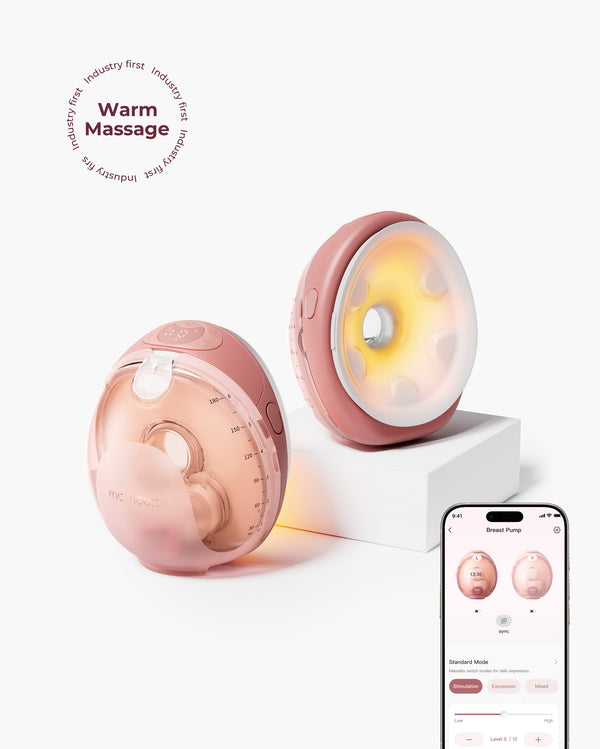
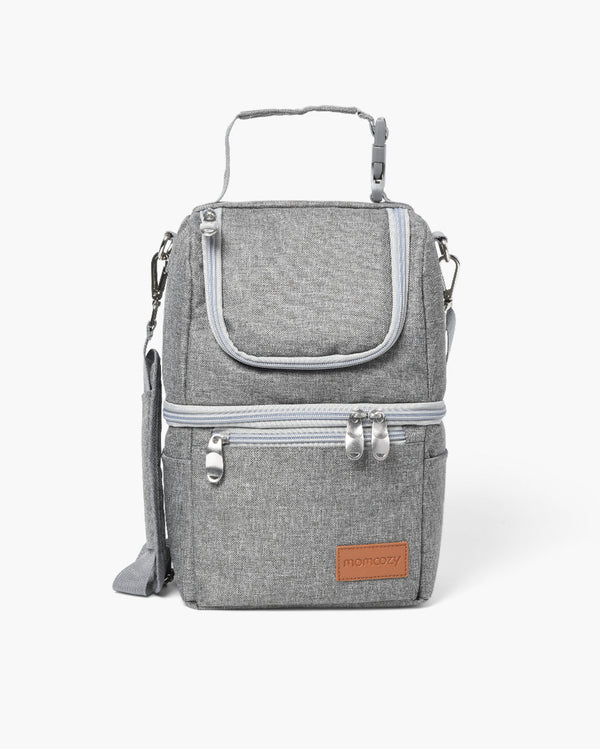
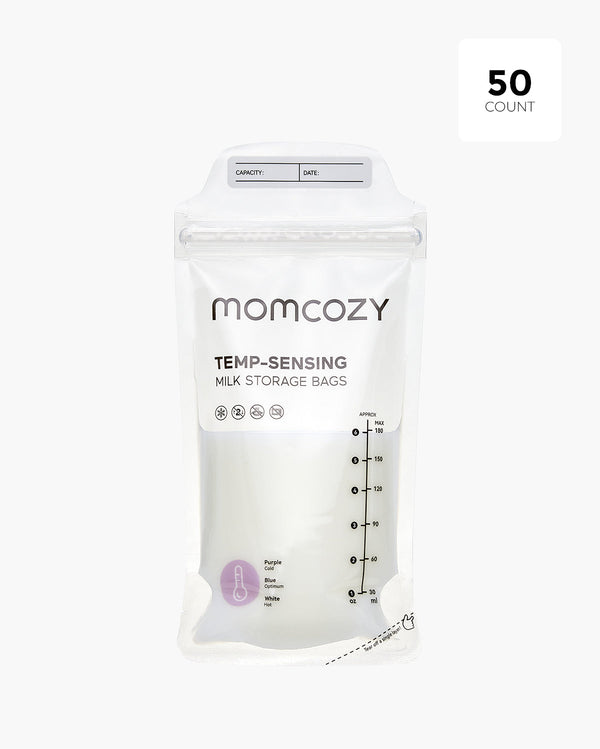
A few kit ideas from our range (comfort only, not feeding advice): once your supply feels steady, a hands-free wearable like the Wellness 1 can make desk breaks easier. It’s a double wearable with optional warmth and massage, up to 295 mmHg across 12 levels, and 180 ml collectors. Warm-massage modes use more battery (about six full sessions per charge with heat, or about ten with pumping only). It’s for mums whose supply is already going, not for building supply in week one, and not instead of a hospital-grade pump if your feeding team has asked you to use one. A 4-in-1 Hands-Free Pumping Bra holds the cups so you can type or eat. Toss in a Breastmilk Cooler Bag if the fridge feels unreliable, plus breastmilk storage bags for labelled portions. An Ultra Soft Seamless Nursing Bra is a soft option for long desk days. You can browse wearable breast pumps if you’re still comparing shapes.
Member price
£299.99Code Save 24%

Member price
£32.99Code Save 20%
Member price
£26.99Code Save 20%

How Often Should You Express During the Workday?
Try to express roughly as often as your baby would feed when you’re together. For many mums that’s every three to four hours, but younger babies often feed more often than this. Every baby is different, so it’s best not to copy another mum’s routine. If your baby is taking a lot more or a lot less from their bottles at childcare than you expected, or you’re unsure how often to express, speak to your midwife or health visitor.
How long each session usually takes
If you’re a teacher working around the bell, or a nurse on a twelve-hour shift, breaks can be harder to find. Agree your times in advance and protect them — your baby still needs the same number of feeds, whatever your job.
Matching baby’s feeds vs protecting supply
Missing the odd session during a busy week is normal and won’t ruin your supply. Regularly skipping the same session, week after week, is more likely to cause a dip. If you miss one, express at the next break you can and feed your baby when you’re back together. If you notice your supply dropping, extra feeds in the evenings and at weekends can help.
Our pumping schedule has more workday sample clocks if you’d like templates. Wondering how quickly your breasts refill between sessions? How long breasts refill goes into that gently.
A Sample Workday Expressing Rhythm
Here’s one example for an office day with a baby of about four months old in childcare. Shift the times when meetings get in the way, as they inevitably will.
| Rough time | What often works |
|---|---|
| Before leaving home | Nurse or express so you start the commute comfortable |
| Mid-morning | First work session (about 15–20 minutes) |
| Lunch | Second session; eat while hands-free if you can |
| Mid-afternoon | Third session before the evening rush |
| After work | Nurse on reunion; chill or freeze what you brought home |
Late trains and back-to-back calls happen. Try to sneak in a session rather than writing the whole day off.

Storing Milk and Looking After Pump Parts at Work
Once milk is collected, follow current NHS advice on expressing and storage for fridge and freezer times, and label every bottle or bag with the date and your name.
Fridge, cooler bag, and labelling
If there is a staff fridge, use a labelled box or shelf your colleagues will not raid by mistake. If fridge access is awkward, keep milk in your cooler bag with frozen packs and transfer it when you get home. Fresh milk should not sit warm on a radiator while you finish a call.
Looking after parts between sessions
NHS guidance is to use clean, sterilised parts every time you express. The easiest way to do this at work is to take a separate sterilised set for each session, packed in clean sealed bags. Keep the used sets together in a sealed bag in the fridge or your cooler bag, then wash and sterilise everything when you get home.
If your workplace has a kitchen and your employer agrees, you could keep a steriliser at work, or use microwave steam bags. Just allow time for the cycle and for parts to cool before you use them.
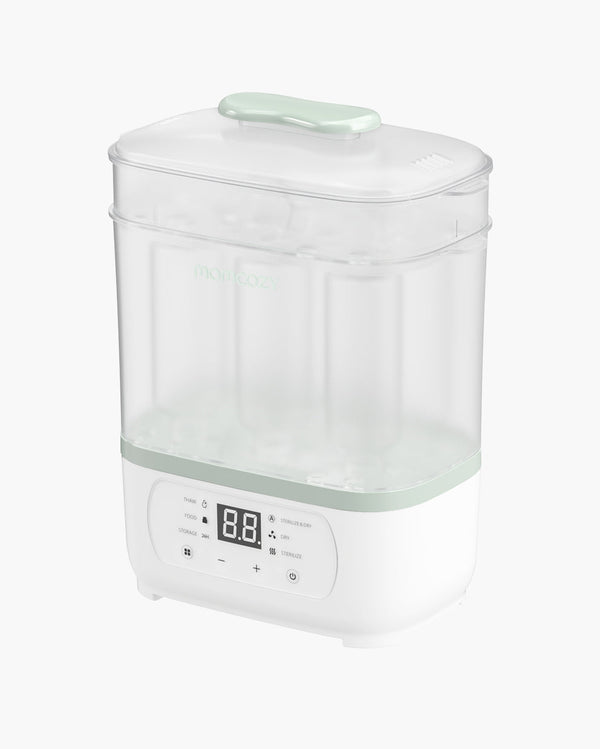
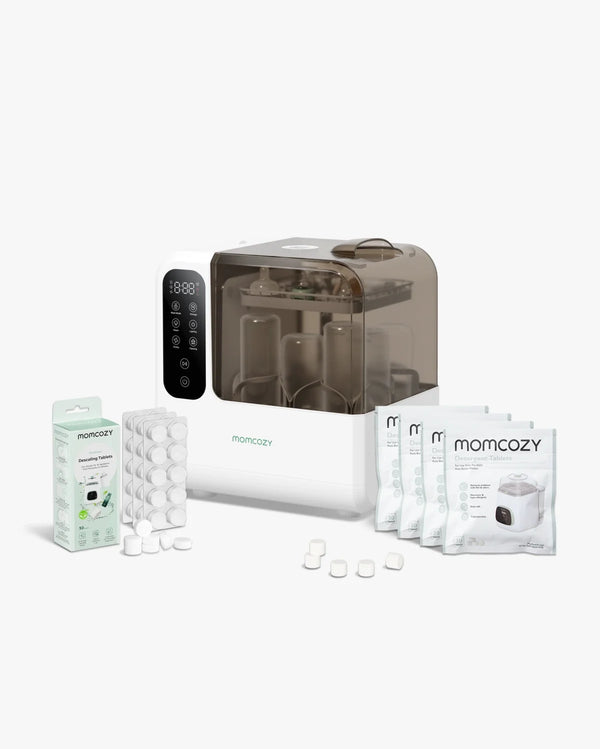
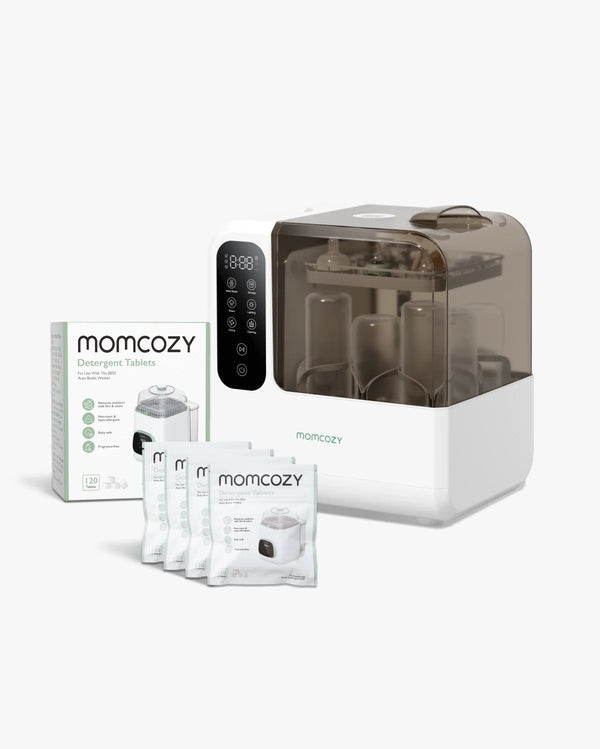
Back in your kitchen, a bottle washer such as the Momcozy KleanPal Pro Bottle Washer can wash and sterilise pump parts and bottles after a long day. Use it at home — it does not replace careful handling while you are still at work.

Member price
From£299.99Code Save 30%

Member price
£388.99
When Work Gets in the Way of Expressing
Missed sessions, stress and getting less milk in the afternoons are all common in the first few months back. One bad day won’t ruin your supply. Express at the next break you can, feed your baby when you’re together, and check your flange still fits. If you’re worried about low milk supply, talk to your midwife or health visitor. Turning up the suction won’t fix it and can make you sore.
If you have a hot, painful or swollen area on your breast, especially with a fever or flu-like symptoms, contact your GP, midwife or NHS 111 the same day. The area may look red, or darker on brown and black skin. Keep feeding or expressing as normal. Don’t try to pump more to clear it.
If Your Workplace Is Not Supportive
Jot down what you asked for and what you were offered. Take it to HR if you need to, and point to the HSE rest-space and milk-storage points above. ACAS advice can help you keep the chat calm and practical. Ask a kind colleague to cover calls in your agreed windows so the break actually happens. Wanting a lockable room and somewhere cold for milk is completely reasonable — you’re not being awkward.
When to Stop Expressing at Work
Some mums keep lunchtime sessions for a year or more; others ease off once solids are going well or days get shorter. There’s no gold star for lasting longest. Drop one work session at a time over several days so your body can catch up. If nights are the harder bit, night weaning from breastfeeding is a different call from daytime expressing. Changing kit as you wind down? Our breast pump selection guide compares types side by side.
FAQ: Quick Answers
Do I have a right to pump at work?
Your employer should give you a private place to rest and express, and somewhere to store milk — toilets don’t count. Tell HR early, and lean on HSE and ACAS guidance if you need backup.
How many pumping breaks do I get?
There is no single national rule that says every job gets the same number of breaks. Agree timing that fits your baby’s feeds and your role, then protect those windows in the diary.
How often should I pump at work?
Many mums manage two to three sessions in an eight-hour day, often every three to four hours apart from baby. Match your baby’s pattern where you can.
What do I need for pumping at work?
A reliable pump, fitting flanges, spare parts, bottles or bags, and a fridge or cooler plan. Add sanitiser, pads, and a spare top for confidence.
Can I store breast milk in the staff fridge?
Often yes, in a labelled container your colleagues will recognise. If that feels unsafe, use a cooler bag and transfer milk when you get home.
When can I stop pumping at work?
Whenever it stops fitting your family. Taper sessions gradually, and speak to your health visitor if you’re unsure how weaning will affect supply.
Summary
Before you go back, agree a private space, somewhere to store your milk and your break times with your employer. Express roughly as often as your baby would feed, and protect those breaks where you can. Keep your milk cold at work, take a clean sterilised set of pump parts for each session, and wash and sterilise everything at home. If you have any worries about feeding or your health, speak to your midwife, health visitor, GP or NHS 111. If you need more support at work, talk to your manager or HR.