Each year, from 1 to 7 August, people around the world stop to applaud, educate others, and support the cause for infant feeding. In the United Kingdom, World Breastfeeding Week is special for many reasons, from maternal policy demands to an opportunity for community celebration and a moment of recognition for the millions of mothers facing this journey.
For those currently breastfeeding, expressing at work, and those who have moved to a different phase of feeding, this week is for you. Here is everything you need to know about World Breastfeeding Week UK 2026: The roots of the event stem globally, and here you can find local customs, the importance of this celebration, and what you can do to support it.
What Is World Breastfeeding Week? The Global Movement Explained
World Alliance for Breastfeeding Action (WABA) launched World Breastfeeding Week in 1992. It focuses on the 1990 Innocenti Declaration, the first document to focus on breastfeeding and signed in Florence, Italy by the World Health Organization (WHO) and UNICEF.
The Innocenti Declaration center goal focused on a simple idea: a mother and child’s right to breastfeeding should be protected, and breastfeeding should be promoted and supported. This declaration identified the nutritional, immunological, and emotional components that a mother’s milk brings, and identified that mothers deserve support from the structures created by the systems of healthcare, their employers, and society.
| Key Historical Milestone |
Year |
Significance for Mums |
| Innocenti Declaration |
1990 |
Established global goals to protect and support breastfeeding |
| First World Breastfeeding Week |
1992 |
Created an annual focus across 120+ countries |
| UK Baby Friendly Initiative |
1994 |
Adapted WHO/UNICEF standards for UK hospitals and health visiting |
| WBW-SDG Alignment |
2016 |
Connected breastfeeding directly to UN Sustainable Development Goals |
Beginning in 2016, WABA began coordinating World Breastfeeding Week with the UN Sustainable Development Goals (SDGs). This is the WBW-SDG Campaign. This initiative illustrates how infant feeding is not a private choice but an important issue in public health and affects poverty, nutrition, sustainability, and gender issues.
The 2026 Theme: Tracking Progress - What It Means for the UK
For World Breastfeeding Week 2026, the focus will be on assessing how support for breastfeeding aids in nutrition, food security, and alleviating poverty. This phase will ask health systems and governments to assess honestly what works and where support falls short, and it will track the progress and impacts of breastfeeding support as part of the global campaign.
This theme speaks to the UK's families for a good reason. Even though the UK is a wealthy country with top-tier healthcare, significant health and economic disparities exist.
Why the 2026 Theme Matters in Britain
-
Closing the Deprivation Gap: Available data on breastfeeding in the UK indicates that breastfeeding and socioeconomic background are inextricably linked. Mothers in affluent, low-deprivation areas are more likely to breastfeed. One aim of the 2026 Theme is to get local NHS Trusts and councils to examine support resources for deprived breastfeeding mothers.
-
Reducing NHS Healthcare Costs: Improving infant feeding continuation rates directly protects babies against hospital admissions for ear infections, chest infections, and gastrointestinal illness. The UNICEF UK Baby Friendly Initiative estimates that increasing UK breastfeeding rates could save the NHS tens of millions of pounds every single year in acute care costs.
-
Relieving Family Budgets: Young British families are faced with a significant cost-of-living crisis. Babies born receive the best and most natural milk for free and are less of a financial burden on the household. Meeting mothers on their journey along with the finances and support to improve their calmness and confidence with infant feeding reduces household financial strain.
UK Breastfeeding by the Numbers: Why This Week Matters Here
World Breastfeeding Week is a very important event in the UK, and looking at the statistics in the UK shows us why. In the developed world, the UK is known for historically having one of the lowest breastfeeding continuation rates.
Using some of the baseline tracking public health data and some of the continuing NHS tracking of infant feeding:
-
Initiation: Around 81% of UK mothers start breastfeeding at birth.
-
6-Week Drop-Off: By 6 weeks, that figure drops sharply to roughly 24%.
-
6 Months: Less than 1% of UK infants are exclusively breastfed at 6 months, as recommended by WHO guidelines.
The Story Behind the Numbers
The main point to take from the statistics above is that over 80% of mothers in the UK, who stopped breastfeeding early, actually wanted to continue breastfeeding.
This drop-off in breastfeeding is more a reflection of the many barriers in our system, i.e., very short mandated statutory paternity leave, fragmented post-natal care, early isolation at home, public breastfeeding stigma, and poor workplace accommodations for expressing milk, than a lack of willingness by the mothers.
When looking at Norway or Sweden, for example, where over 80% of babies are still breastfed at six months, it becomes clear that the UK's low breastfeeding rates are a failure of our systems and structures.. The reason World Breastfeeding Week is celebrated in the UK is to motivate a collective culture shift away from and a replacement for the individual pressures.
The History: From Innocenti Declaration to the UK Baby Friendly Initiative
The early 1990s saw the start of World Breastfeeding Week and the redesigning of structures for maternity care in the UK. The establishment of the UK Baby Friendly Initiative (BFI) in 1994 was an important milestone. The UK Committee for UNICEF was instrumental in setting this initiative up.
The BFI created an accreditation system for NHS maternity hospitals, health visiting services, and university nursing programmes. Built upon WHO's Ten Steps to Successful Breastfeeding, BFI accreditation ensures that clinical environments support early bonding and informed feeding choices.
| Baby Friendly Standard |
How It Works in UK Maternity Units |
| Skin-to-Skin Contact |
Uninterrupted contact immediately after birth to trigger natural instincts |
| Responsive Feeding |
Teaching parents baby cues rather than feeding to a strict clock |
| Rooming-In |
Keeping mothers and babies together 24/7 on maternity wards |
| Staff Training |
Ensuring midwives and health visitors offer consistent, evidence-based care |
The large majority of UK maternity units and community health trusts either have Baby Friendly Initiative (BFI) accreditation or are working toward Gold award status. It is a substantial accomplishment to achieve Gold Award Status, as it marks a superior level of performance in reference to providing mother-baby, mother-baby-care staff, and mother-baby-health staff integrated services. Studies show that hospitals with these standards see a major rise in their first feeding rates.
UK Traditions: How Britain Celebrates World Breastfeeding Week
World Breastfeeding Week is celebrated in many countries, but Britain has a few unique and joyful traditions. The first week of August is a time for celebration in many local NHS Trusts, charities, and community groups.
1. The Great British Breastfeeding Picnic
Community picnics are one of the most popular British breastfeeding traditions. These picnics happen in public parks and community centres across Britain. Expectant parents, new mothers, and toddlers come to picnics that usually have a grassy picnic area and white tea with a selection of homemade cakes. Many of the picnics are organised by The Breastfeeding Network in partnership with the Hampshire and Isle of Wight Healthcare NHS Foundation Trust.
2. Civic Landmarks Lit in Purple
One of the more visible World Breastfeeding Week UK traditions is civic lighting. The many cities participating pick a few of their city’s landmarks to show soft purple lights. Purple is the color of breastfeeding awareness, and many of these landmarks are supportive of the breastfeeding mothers in their communities. August is a great time to see many illuminated structures such as Portsmouth’s Spinnaker Tower and city halls in Yorkshire and the Midlands.
3. "Breastfeeding Friendly" Community Schemes
World Breastfeeding Week is a popular time for local councils to start or expand city breastfeeding accreditation schemes. Portsmouth Welcomes Breastfeeding and Leeds is Breastfeeding Friendly are city schemes that recruit local businesses such as cafes and community venues such as libraries, buses and shopping centres. These schemes provide window displays to signal to mothers that it is OK to feed their babies. These schemes also notify mothers that it will not be necessary to purchase any food or drinks.
The Global Big Latch On: Britain's Biggest Synchronised Feed
A big event of World Breastfeeding Week in the UK is the Global Big Latch On. This event allows mothers to congregate at designated community locations to latch and feed their babies at the same time as mothers across the world. This event began in New Zealand in 2005.
Big Latch On events stretch across the UK in hundreds of locations. Examples include:
-
Newcastle City Library: Where dozens of local mothers gather in the central atrium.
-
Blackpool Victoria Hospital: Organised by hospital infant feeding coordinators for new and alumni parents.
-
Wharton Park, County Durham: Bringing together over 150 families for a synchronised parkland feed.
-
Knowsley Safari Park: Hosted by NHS Trusts in partnership with regional breastfeeding coalitions.
The Big Latch On aims to provide mothers with the opportunity to publicize and normalize a feeding practice that is often stigmatized and often causes mothers to feel anxious when doing so alone. Together with dozens of mothers, the Big Latch On offers a sense of pride and a supportive community.
NHS and Local Council Events: Finding Celebrations Near You
Finding local events is easy if you are an expectant parent or a new mother looking to join World Breastfeeding Week 2026 activities.
Where to Look for Local Events
-
NHS Trust News & Social Media: During the last week of July, check the public notices section on the website of your local NHS Maternity or Community Trust.
-
Family Hubs & Children's Centres: The local council Family Hub portal shows the daily drop-in sessions, coffee mornings, and park walks.
-
Charity Event Maps: Both The Breastfeeding Network and La Leche League GB both have interactive maps listing regional drop-in clinics and celebration events.
What to Expect at Your First Event
Expect warmth and openness when attending the World Breastfeeding Week event for the first time. You do not have to be exclusively breastfeeding or have any breastfeeding experience to attend. Event organisers encourage combination-feeding mums, expressing mothers, partners, grandparents, pregnant women, and the eager-to-learn population to join. There is no organisation to the time you spend there. You are welcome at any time and for any amount of time to drop in, ask questions, or simply sit with a cup of tea.
Digital support apps (the NHS-partnered Anya app, for example), offer virtual participation in their digital workshops, along with live Q&A sessions throughout the week. This is a great option for mothers unable to attend events in-person.
What WBW Means for UK Mums: Beyond the Statistics
World Breastfeeding Week means much more for UK mothers than just a public health initiative or an opportunity to think globally.
1. Validation and Visibility
There’s no need to suffer in silence when nursing in a public place with a hostile environment, such as a busy café, or when your family has some very original, unsolicited comments to make, as UK mothers’ experiences become a part of their domestic routine. The validation and recognition mothers receive when they see their experience publicly acknowledged in the week-long campaign is enormous.
2. A Safe Space for Real Conversations
Gone are the days of the more traditional, stressful slogans and UK celebrations of Breastfeeding Week. Now the week is an opportunity to have more real conversations about parenting, such as managing the pain of nursing, dealing with sleep deprivation, and the emotional burden involved in feeding choices.
No mother should feel that at any point they are a failure if their feeding choices and journey come to a sudden stop. Every breastfeeding or pumping effort is recognized and celebrated..
3. Making Essential Tools Accessible
Tackling everyday challenges often requires the right tools. For mothers who breastfeed or pump for long stretches, having the right resources can help support them in many ways.
Knowing the cost of equipment can be a hurdle for many families; brands help during World Breastfeeding Week to improve opportunity. For example, the Momcozy Breathe & Breastfeed World Breastfeeding Week 2026 campaign offers savings on essential gear via the Momcozy UK World Breastfeeding Week Hub.
Mums can even participate in the Take a Breathe & Pick daily interactive game, and enjoy multi-item bundle options and storewide discounts using code BDBW20.
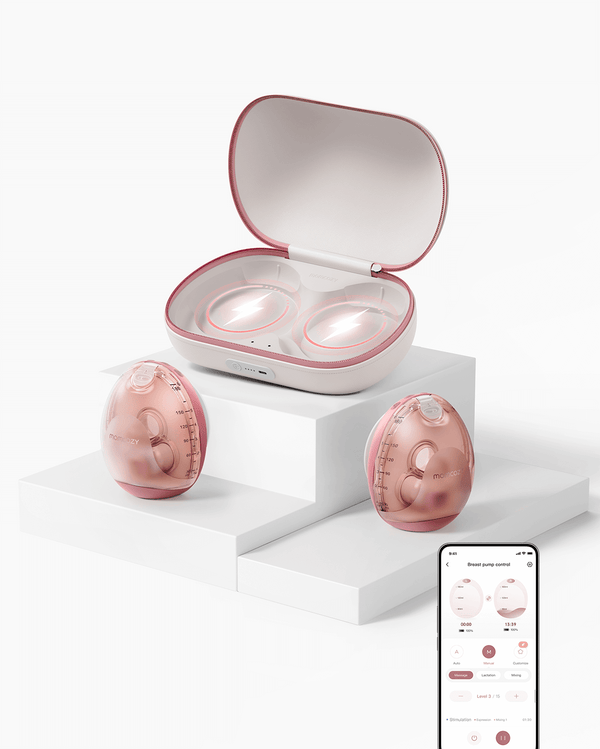
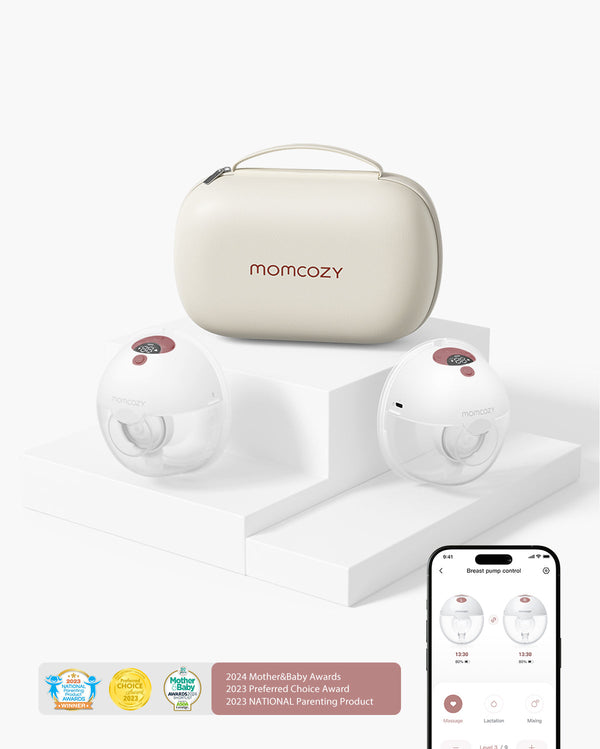
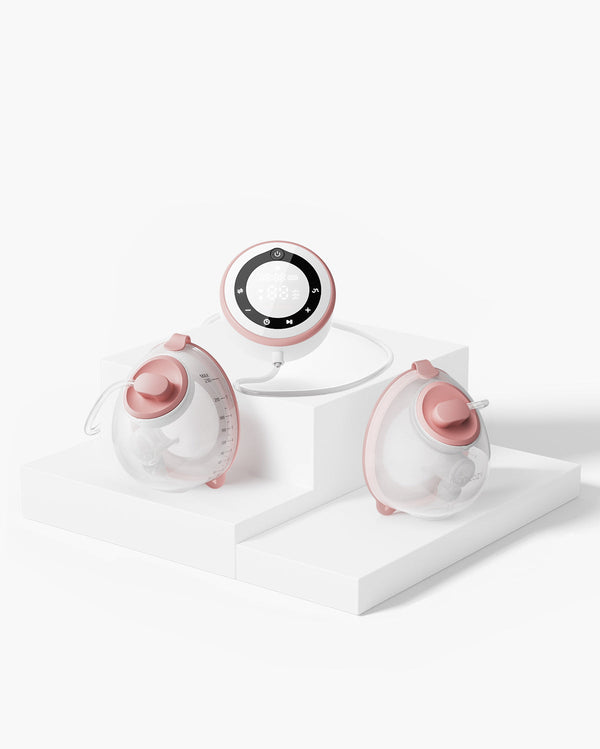
Making advanced tools accessible—such as the quiet, ultra-portable Momcozy Air 1 Ultra-Slim Breast Pump, or the smart, app-controlled Momcozy M5 Smart Wearable Breast Pump—helps mothers balance returning to work or managing daily tasks while maintaining their milk supply.
Ultra-slim
Wireless Charging
Effortless Alignment
Smart App Control
Comfort Fit
Steady Output
Hands-Free Freedom
Easy App Control
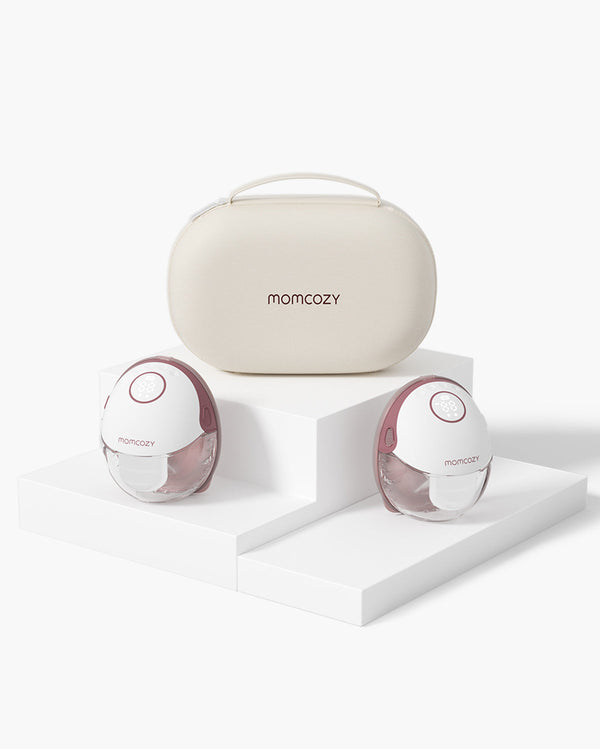
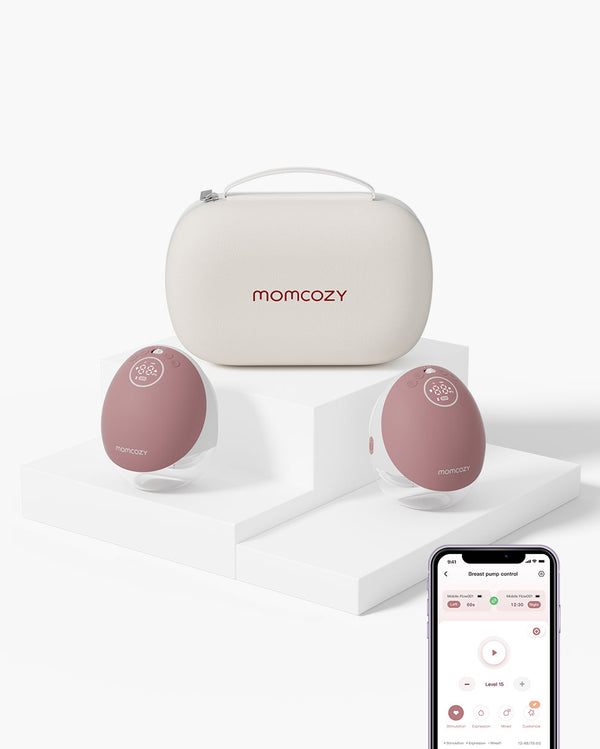
For everyday versatility, compact wearable options like the Momcozy M6 Mobile-Style Hands-Free Pump or the high-capacity Momcozy M9 Mobile Flow Hands-Free Pump give mums flexibility without tying them to a wall socket.
On-The-Go Use
More Discreet
Powerful Suction
Ultimate Comfort
High Efficiency
APP Control
Expert-Tuned Rhythms
Personalised Pumping
UK Breastfeeding Support: Who's Who and Where to Turn
Breastfeeding support doesn’t stop when World Breastfeeding Week ends. In the UK, there are many resources for free professional and peer support, and they’re available year-round.
| Care Stage |
Support Provider |
Role & Primary Assistance Offered |
| Days 1 to 10 |
Community Midwife |
Primary care, early latching support, and newborn health checks at home |
| Day 10 Onward |
Health Visitor & Family Hub |
Ongoing health checks, weight monitoring, and drop-in support clinics |
| Routine GP Care |
GP (General Practitioner) |
6–8 week postnatal checks, general maternal/infant medical evaluations |
| Specialist Care |
NHS Infant Feeding Specialist |
Clinical care for complex needs (e.g. tongue-tie diagnosis, severe latch issues) |
| Peer & Community |
Trained Volunteer Peer Support |
Community drop-in groups and national helplines (BfN, ABM, LLL GB) |
1. NHS Healthcare Professionals and Pathways
-
Community Midwives: Community midwives help during the first 10 to 14 days, providing primary care for you and your baby, guiding you on latching, and checking your baby's health.
-
Health Visitors: Health visitors take over care in the community around day 10-14. They visit you at home and conduct a 6-8 week developmental review of your baby. They also run child health clinics at Family Hubs.
-
General Practitioners (GPs): General practitioners conduct the official 6–8 week postnatal check of mother and baby. They assess the physical recovery of the mother, their mental well-being, and the baby’s growth.
-
NHS Infant Feeding Teams: Specialist midwives, health visitors, and IBCLC lactation consultants who handle complex challenges such as severe latch issues, faltering growth, or clinical tongue-tie assessments.
2. Knowing When to Seek Urgent NHS Medical Care
-
Call NHS 111 or Contact Your GP Promptly: If you develop signs of mastitis accompanied by a high fever, chills, flu-like aches, or a hot, swollen, red area on your breast, seek medical care right away. Prompt treatment (and antibiotics if bacterial) helps prevent severe complications like breast abscesses.
-
Call 999 or Attend A&E Immediately: If your baby displays signs of severe dehydration or illness, such as lethargy, unresponsive behavior, significantly fewer wet nappies (fewer than 6 wet nappies in 24 hours after day 5), or continuous sunken fontanelle (soft spot), seek emergency care right away.
3. National Breastfeeding Charities
-
The Breastfeeding Network (BfN): Operates the National Breastfeeding Helpline (0300 100 0212) in partnership with the Association of Breastfeeding Mothers (ABM), open 9:30 am to 9:30 pm daily.
-
La Leche League GB: Provides volunteer-led mother-to-mother support, local group meetings, and an online helpdesk.
-
NCT (National Childbirth Trust): Offers antenatal classes and a dedicated infant feeding helpline.
4. Complementary Support Options
During peak awareness periods like World Breastfeeding Week, private organisations complement NHS services by funding free clinical care.
For example, as part of their WBW 2026 initiative, Momcozy operates a free 24/7 Lactation Helpline from 1 to 14 August. This service connects UK parents directly with IBCLC-certified lactation consultants for free one-on-one virtual consultations, offering prompt non-emergency professional guidance when local clinic wait times are long.
To save valuable hours at home, automated appliances like the Momcozy KleanPal Pro Baby Bottle Washer handle the daily washing, sterilising, and drying of pump collection parts and bottles (in line with NHS guidelines to sterilise all feeding equipment for infants under 12 months), while all-day garments like the award-winning Momcozy Seamless Nursing Bra provide comfortable, non-wired support during long cluster feeds.
Bottle Washer
Steriliser & Dryer
Washes More Than Just Bottles
Jelly Strip Support
More Comfort
Weightless Wearing
How to Get Involved: From Attending Events to Advocating Online
Whether you have five minutes or five hours, there are many ways to participate in World Breastfeeding Week 2026.
Simple Ways to Participate
-
Attend a Local Picnic or Drop-In: Grab a blanket and pop down to a nearby NHS or Family Hub picnic. It is the easiest, lowest-pressure way to connect with local parents.
-
Share Your Story on Social Media: If you feel comfortable, post a photo or reflection on your feeding journey using official hashtags like #WBW2026, #WorldBreastfeedingWeekUK, and #StrengthenWhatWorks. Sharing authentic experiences helps destigmatize public nursing.
-
Advocate for Workplace Support: Use World Breastfeeding Week as an opportunity to ask your employer about workplace feeding policies. Under UK health and safety regulations, employers must provide a clean, private space (not a toilet) and flexible break arrangements for workers who need to express milk or nurse.
-
Volunteer as a Peer Supporter: If your feeding journey is behind you, consider training as a volunteer peer supporter with the NHS, BfN, or ABM. Peer supporters play a vital role in welcoming new mothers at local drop-in groups.
Frequently Asked Questions (PAA)
What is World Breastfeeding Week and when is it in the UK?
World Breastfeeding Week is a global campaign held annually from 1 to 7 August in over 120 countries, including the UK. It raises awareness about the health, economic, and social benefits of breastfeeding while advocating for better structural support for parents.
What is the theme of World Breastfeeding Week 2026?
The 2026 theme focuses on tracking progress and evaluating the impact of infant feeding support on nutrition, food security, and poverty reduction. In the UK, it emphasizes closing health inequality gaps and strengthening local support networks.
How can I find World Breastfeeding Week events near me in the UK?
You can find local events by checking your local NHS Trust website, visiting your council's Family Hub portal, or browsing the interactive drop-in maps hosted by The Breastfeeding Network and La Leche League GB.
What is the Global Big Latch On and can anyone join?
The Global Big Latch On is a synchronised event where mothers gather to nurse their babies at the exact same time (10:30 am). Anyone is welcome to join, including mothers who express milk, combination-feed, or are pregnant.
Does the UK have low breastfeeding rates compared to other countries?
Yes. While around 81% of UK mothers initiate breastfeeding at birth, only about 24% are still nursing at six weeks, and less than 1% exclusively feed at six months. World Breastfeeding Week aims to improve these figures by expanding community support.
Are there special offers or free support resources available during World Breastfeeding Week?
Yes. Many NHS Trusts and charities host free workshops, picnics, and drop-in clinics. Additionally, campaign initiatives offer brand-backed resources, such as free 24/7 IBCLC consultant helplines and savings on nursing bras and wearable pumps through the Momcozy UK World Breastfeeding Week Hub.
Conclusion
World Breastfeeding Week UK 2026 is far more than a date on the health calendar. It is a vibrant celebration of maternal dedication, a sanctuary for shared stories, and a vital call to action for better public support.
By bringing mothers together at park picnics, illuminating our city landmarks in purple, and expanding access to free guidance and essential tools, Britain continues to build a culture where every parent feels supported, valued, and empowered—no matter how their feeding journey looks.