Are you looking for a checklist for mums, especially the breastfeeding station essentials UK list? That's smart. It's important to know what items you need and how to set up your feeding corner. You will be nursing up to twelve hours a day. Keeping water, chargers, and other feeding items within arm's reach helps make things easier. You can conserve energy and feel calmer in every feeding session.
Continue reading this article to learn how to set up your perfect feeding corner. Whether you live in a multi-storey terraced house or a compact flat, you will find this useful.
Why Every UK Mum Needs a Dedicated Feeding Corner
The early postnatal life of a UK mum looks like this. You will have your partner by your side while he's on statutory paternity leave. But when that period's over, you'll have to adjust to the quiet days at home. Other family members may come to help and health visitors will come from time to time. But most of the time, new mums have to feed their babies on their own.
When you sit down to nurse or express, a single feed can easily last 30 to 45 minutes. During early growth spurts, your baby may want to feed continuously for hours. If you sit down without your essentials close by, you risk getting trapped under a sleeping baby.
How a Feeding Corner Helps
| Postnatal Challenge |
How a Feeding Corner Helps |
Daily Benefit |
| Physical strain after birth / C-section |
Reduces unnecessary standing, bending, and searching for lost items |
Protects pelvic floor and abdominal healing |
| Sudden thirst during oxytocin let-down |
Places a straw water bottle within easy reach of your chair |
Prevents dehydration during long feeds |
| Sudden milk leaks or baby sick |
Keeps clean muslins and pads immediately on hand |
Avoids messy clothes changes mid-feed |
| Nighttime sleep disruption |
Minimises decisions and movement in the dark |
Helps both mum and baby return to sleep faster |
A designated feeding spot creates a calm sanctuary in your living room or bedroom. Knowing that everything is ready when you sit down in a comfortable chair helps your body relax. Effectively, it helps trigger your natural milk let-down reflex in line with UNICEF UK Baby Friendly Initiative responsive feeding principles. It helps make breastfeeding a lot more manageable.
Station vs Caddy vs Cart: Which Setup Fits Your UK Home?
UK housing varies widely.Some are Victorian terraced houses with steep stairs, while others are modern apartments or semi-detached suburban homes. The home layout affects how you set up a feeding station since it affects how you move around. That said, you should consider this factor before buying any feeding supplies.
| Setup Option |
Core Design |
Best Suited For |
| Fixed Corner |
Armchair + Glider + Side Table |
Nursery or bedside night feeds |
| Portable Caddy |
Lightweight Handled Basket |
Compact flats & moving room-to-room |
| Rolling Cart |
3-Tier Utility Trolley on Wheels |
Open-plan living & single-level floors |
1. The Fixed Station (Armchair & Side Table)
The fixed station is the most typical feeding setup. You need only three things. You need a comfortable feeding chair or glider and a supportive nursing cushion. Add a permanent side table, and that's it.
This is the setup to choose if you have a dedicated nursery. It's also great if you want your feeding corner to be next to your bed.
The best thing about this is that out of your options, it provides maximum physical support for night feeds. The downside is that it stays in one room.
2. The Portable Caddy (Handled Fabric or Rope Basket)
A baby caddy is a lightweight basket with compartments. It can hold diaper-changing supplies or feeding supplies. The portability of the caddy allows you to bring your supplies to any section of your house. You can carry it to your sofa, to your bed, or even out into the garden.
You will benefit not just from its portability but also from its small size. It takes up minimal floor space, so it is perfect for smaller UK flats or homes with narrow hallways.
3. The Rolling Cart (3-Tier Utility Trolley)
You can use a three-tier rolling trolley as a mobile feeding station. You can push it around, so you can feed where you want to. Furthermore, it provides maximum storage capacity. You can keep immediate mum essentials on the top shelf.Then, baby changing gear goes in the middle shelf, while breast pumps or spare muslins go in the bottom.
This setup is great in single-level floors but not in multi-story homes. Pushing it up and down the stairs is impractical, and can be dangerous.
Setup Comparison for UK Homes
| Setup Type |
Best Suited For |
Estimated Budget |
Main Advantage |
| Fixed Corner |
Dedicated nursery or bedroom corner |
Mid to High |
Maximum comfort and back support |
| Portable Caddy |
Small flats or moving room-to-room |
Low / Budget-friendly |
Highly portable, lightweight, compact |
| Rolling Cart |
Open-plan ground floors or single levels |
Mid-range |
Excellent storage capacity and organisation |
The Core Basket: What Goes in Every Feeding Station
You should have the essential items in your feeding station. These make your feeding journey easier and as stress-free as possible.
| Category |
Core Station Essentials |
| Mum Hydration & Snacks |
Straw water bottle, high-energy snacks, extra-long phone cable |
| Baby & Leak Care |
Muslin squares & wraps, reusable breast pads, nipple balm / pen |
| Comfort & Spares |
Spare wrap top / pumping bra, small zip pouch (lip balm, hair ties, hand cream) |
1. Hydration & One-Handed Nutrition
Breastfeeding requires you to drink a lot and eat to prevent energy dips. The issue is that you may need to drink or eat while also holding your baby. That makes the task a bit more difficult. To overcome this challenge, place a large, spill-proof water bottle with a straw in your caddy. sThis allows you to drink with only one hand. Likewise, high-energy snacks like oat flapjacks and mixed nuts,allow you to eat one-handed.
2. Phone Charger & Entertainment
Feed sessions can last up to 40 minutes or more. Mums usually listen to audiobooks, podcasts, or music to keep themselves entertained. If you'd like to do this, keep headphones and a charger with a long cable in your feeding station.
3. Essential Leak Protection
Keep a fresh stash of breast pads and burp cloths in your caddy to handle sudden leaks. Choose soft, washable options like the Momcozy Reusable Breast Pads 14-Pack. These fit neatly into a caddy side pocket. More than that, they also offer gentle, eco-friendly protection against leaking milk. You can reuse them, which reduces your waste and expenses.
4. Soothing Nipple Care
Your nipples may feel tender in the early weeks of breastfeeding. Nipple cream can help soothe the discomfort.
Choose a compact, easy-to-apply product like the Momcozy ComfortNip Multi-Care Nipple Care Pen. This product's touch-free design allows you to apply nipple cream quickly without getting greasy residue on your hands.
5. Multi-Use Muslins & Wraps
Keeping three to four muslins in your caddy helps a lot. You can use them for for burping, catching baby sick, or covering your lap. For versatility, choose generously sized options like Momcozy Softness Swaddle Blankets. They work brilliantly as oversized burp cloths or lightweight nursing covers.
6. Emergency Spare Layer & Comfortable Wear
Breastfeeding often causes posseting. Your milk may also leak. These can wet your top in the middle of your feeding session. Keep an extra top or lightweight cardigan in your nursing station so you can quickly change if you leak or your baby spits up.
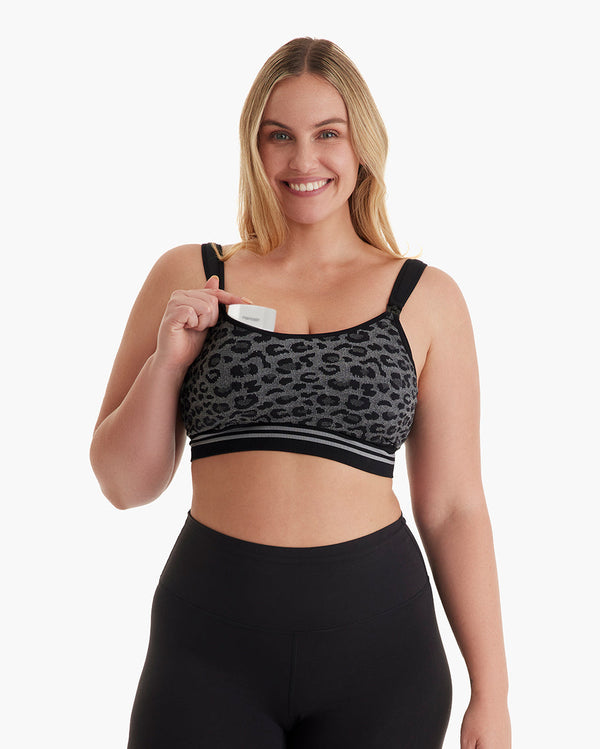
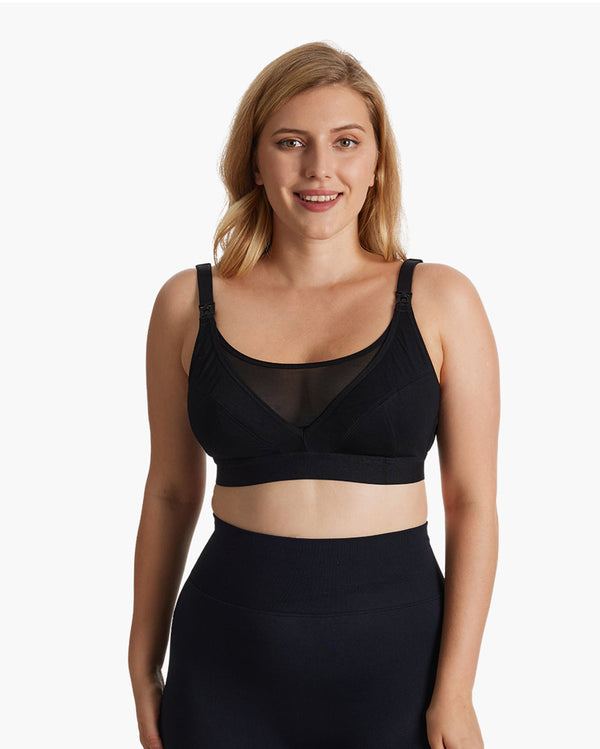
Many mums choose to wear a versatile base layer like the Momcozy 4-in-1 Hands-Free Pumping Bra or the breathable Momcozy Bamboo Pumping & Nursing Bra. It helps ensure you can nurse or attach pump collection cups immediately without needing a full outfit change.
For all breast pumps
Hands-Free
Spongy strap
Comfort & Support: Pillows, Positioning and Nipple Care
Proper posture and latching position are critical for preventing back strain, sore shoulders, and nipple damage.You can follow the NHS guidance on positioning and attachment to help prevent that. Your feeding corner should bring your baby up to breast height rather than leaning down toward your baby.
| Positioning Approach |
Posture & Comfort Impact |
| Incorrect (Hunching Down) |
Strains back, shoulders, and abdomen; baby rests low on lap, pulling on breasts. |
| Correct (Bringing Baby Up) |
Keeps mum relaxed and upright; support cushion lifts baby to breast level. |
1. Choosing a Supportive Cushion
A firm, dedicated nursing cushion lifts your baby's weight off your arms and lap. This takes physical pressure off your shoulders and abdomen.That support is especially important if you are recovering from a C-section or perineal tears. Here are some tips that will help you choose the right one for you:
- Ergonomic Back & Arm Support: An option like the Momcozy MaxSupport Nursing Pillow wraps securely around your waist. It provides firm, steady support during long feeds.
- Pressure Relief: A plush option like the Momcozy Memory Foam Nursing Pillow is good for extra contouring. It moulds smoothly to your body shape.
- Flexible Layering: An option like the Momcozy Adjustable Nursing Pillow lets you change elevation layers easily. It is an excellent option if you prefer customizable height adjustments as your baby grows.
2. Soothing Skin & Easing Flow
You should protect your tender nipples from friction from bras or pads between feeds. You can use nipple shields to do this. Pure silver cups like the Momcozy Original 999 Silver Nipple Shields provide a soothing physical barrier that helps calm sensitive skin between nursing sessions.
Suppose you experience engorgement or slow milk let-down in the early days. Gentle warmth and massage can help. Using a tool such as the Momcozy Warming and Vibrating Lactation Massager helps stimulate milk flow, relax tight tissue, and soften clogged ducts before latching or expressing.
Note: If you experience sharp, persistent pain, severe cracking, or flu-like symptoms, refer to NHS medical advice on mastitis. Alternatively, contact the National Breastfeeding Helpline (0300 100 0212) promptly for professional support.
Hydration, Snacks & One-Handed Survival
Your body uses more calories and fluids when you produce breast milk. That is why mums often feel thirsty while breastfeeding. We recommend keeping a stock of easy-to-eat snacks to prevent energy crashes. Meanwhile, a large bottle of water will help prevent dehydration. These will help you during cluster feeds.
Top One-Handed UK Station Snacks
| Snack Option |
Why It Works |
Storage Type |
| Oat Flapjacks & Granola Bars |
Slow-release complex carbohydrates for sustained energy |
Ambient / Caddy shelf |
| Mixed Almonds, Walnuts & Raisins |
Healthy fats and protein in quick, easy bites |
Sealed container in caddy |
| Malt Loaf & Banana Slices |
Quick, gentle energy boost during late-night feeds |
Ambient / Daily basket top-up |
| Cheese Sticks & Rice Cakes |
High-protein savoury option to balance sweet snacks |
Small cool bag / Bedside drawer |
The Daily Restock Habit
Make it a habit to top up your water bottle and snack stash while your baby is taking their daytime naps. By doing so, you will never be in a situation where you're hungry or thirsty but your caddy is empty.
The Night Feeding Station: Low Light, Charged & Cosy
Night feeds require a different atmosphere than daytime nursing. The goal at night is to keep both you and your baby in a sleepy, calm state so everyone can settle back to sleep quickly after feeding and changing.
| Night Station Focus |
Key Setup Elements |
| Lighting & Calm |
Soft, warm-toned dim night light (avoid overhead bulbs); low-volume white noise |
| Warmth & Comfort |
Cosy throw blanket over chair back, warm bed socks, accessible dressing gown |
| Bedside Night Caddy |
Full straw water bottle, easy-open snacks, clean muslins, fresh breast pads & nipple balm |
1. Warm-Toned Low Lighting
Avoid turning on bright overhead ceiling lights, which signal to your baby's brain that it is time to wake up. Use a small, dim, warm-toned plug-in night light or a portable touch lamp placed near floor level.
2. Staying Cosy in UK Winters
UK bedrooms can feel chilly during late-night feeds, especially in older houses. Keep a thick throw blanket, warm socks, and a cosy dressing gown draped over your feeding chair so you can wrap up warm as soon as you get out of bed.
3. Active Day Wear Options
If you plan to stay active during daytime hours or do light home workouts while nursing, wearing a supportive daytime bra like the Momcozy Active Low-Impact Nursing Sports Bra provides flexible comfort and easy drop-down clip access throughout the day.
Multi-Storey Living: Upstairs & Downstairs Stations
If you live in a multi-storey house—such as a classic two-storey semi-detached or a three-storey townhouse—carrying a single caddy or trolley up and down stairs multiple times a day while holding a baby is inconvenient and unsafe.
| Station Location |
Recommended Setup & Key Items |
| Upstairs (Bedside Corner) |
Bedside Night Caddy, dim warm night light, bedside water bottle, night muslins & breast pads |
| Downstairs (Living Room) |
Full rolling cart or main caddy, primary nursing cushion, full snack selection, spare clothing layers |
Setting Up a Two-Station Home
- Upstairs Night Kit (Bedside): Focus purely on nighttime necessities. Keep a small basket containing a straw water bottle, 2–3 muslins, fresh nursing pads, nipple balm, and a long phone charger right by your bed.
- Downstairs Day Kit (Living Room): Set up your main caddy or rolling cart next to your sofa. This station should hold your primary nursing cushion, full snack selection, spare clothing layers, and baby changing accessories.
This duplicate-kit approach ensures you always have immediate access to supplies without making extra trips up and down the stairs.
Keeping It Tidy: Restocking & Organisation Habits
A feeding caddy only saves time if it remains clean, stocked, and well-organised. Developing simple daily habits keeps your station functional throughout the week.
1. Use Internal Dividers or Pouches
Keep small items from disappearing into the bottom of your caddy by using small zip pouches or dividers. Dedicate one pouch to mum-care (nipple cream, lip balm, hair ties), one to baby-care (finger wipes, small creams), and another to charging cables and electronics.
2. Maintain a Wet Bag for Used Cloths
Keep a small, waterproof wet bag attached to the side of your cart or caddy. Pop damp muslins or used reusable breast pads directly into the wet bag so they stay separate from clean supplies and are easy to empty into the washing machine daily.
3. The 5-Minute Afternoon Reset
During your baby's late-afternoon nap, take five minutes to reset your station:
- Empty used muslins into the laundry.
- Restock fresh breast pads and muslins.
- Top up your water bottle with cold water.
- Replace eaten snacks.
Where UK Mums Shop for Station Bits (Budget to Mid-Range)
Building a complete feeding corner does not require spending a fortune. You can easily combine high-street budget finds with targeted investments in high-touch comfort items.
| Save On (High Street Stores) |
Invest In (Comfort & Utility) |
| Storage baskets & caddies (Dunelm, Argos, IKEA) |
Ergonomic supportive nursing pillow |
| Muslin squares & simple burp cloths |
High-quality straw water bottle |
| Storage trays, dividers & zip pouches |
Soft, absorbent breast pads & supportive nursing bras |
High-Street Storage Workhorses
- IKEA: Famous for their 3-tier rolling utility carts (such as the RÅSKOG series) and small plastic drawer inserts.
- Dunelm & Argos: Excellent for woven rope storage baskets, fabric caddies, and affordable side tables.
- Supermarket Baby Aisles (Tesco, Asda, Sainsbury's, Aldi): Great for picking up budget-friendly packs of cotton muslins and basic baby essentials during supermarket baby events.
Upgrading Nursery & Cleaning Essentials
If you want to add convenience upgrades to your nursery or main feeding station, certain dedicated devices save significant time:
- Hygienic Nappy Storage: Using a sealed disposal system such as the Momcozy Triple-Seal Nappy Bin next to your main station keeps odours contained without requiring constant trips to the outdoor bin.
- Cosy Night Changes: A warmer like the Momcozy Large Capacity Baby Wipe Warmer keeps baby wipes warm for comfortable night changes.
- Quick Cleaning Extras: Stashing small hygiene wipes like Momcozy Natural Breast Pump Wipes in your caddy makes wiping up quick messes or cleaning pump components simple when you are away from the sink.
Triple-Seal Odor Control
Large Opening & Clear Lid
Patented Clamp Bag Seal
Child Safety Lock & Easy Cleaning
FAQ: UK Feeding Station & Caddy Questions Answered
What do you put in a breastfeeding caddy in the UK?
A complete UK breastfeeding caddy should hold a straw water bottle, high-energy snacks, a long phone charger, 3–4 cotton muslins, fresh nursing pads, soothing nipple balm, a spare nursing bra or cardigan, and a small pouch for lip balm and hair ties.
Is a rolling cart or a handled basket better for a small UK flat?
In a compact flat, a handled fabric or rope caddy is usually best because it takes up minimal surface space and can be tucked away under a coffee table or bed. A rolling cart is great if you have clear floor space, but a caddy is far easier to move between small rooms.
Do I need a feeding station if I am combination feeding?
Yes! A feeding station is equally valuable for combination feeding or expressing milk. In line with NHS advice on expressing and storing milk, simply add pre-measured formula dispensers or clean bottles, a thermos of warm water, and wipeable bibs to your station alongside your usual comfort items.
How many muslins and nursing pads should I keep in the basket?
A good baseline count is four clean muslin squares and four fresh pairs of nursing pads. This gives you enough absorbency to get through a full day or night of feeds without cluttering your caddy. Restock used items once daily.
Can I set up a station before the baby arrives?
Recommended! Packing and organising your feeding caddy around weeks 36 to 38 of pregnancy ensures everything is clean, stocked, and ready for your first day home from the hospital.
Conclusion
Creating a dedicated breastfeeding station is one of the simplest, most effective ways to make early parenthood smoother and more enjoyable. By organizing your space to suit your home—whether that means a portable caddy, a rolling cart, or a duplicate multi-storey setup—you ensure that every feed starts with comfort, hydration, and peace of mind.
Focus on the core essentials first: a firm supportive cushion, plenty of fluids, soft absorbency pads, and soothing skin balms. With your feeding corner fully prepared, you can relax into those quiet early weeks and focus entirely on bonding with your new baby.