It is 3 a.m. on the sofa, or you have just sat down to express before nursery drop-off. Baby latches, or the pump starts, and there it is: a sharp squeeze, pins-and-needles, sometimes a burn, as milk begins to move.
Yes, painful letdown can happen. For many mums it lasts seconds, then eases as the flow settles. Pain that stays for the whole feed, or comes with feeling unwell, needs a different check.
This guide covers what that sensation is, how long it usually lasts around 3, 4 and 6 weeks, what tends to cause it, what helps at the breast and while pumping, and when to call a midwife, health visitor or GP.
Key Takeaways
- Painful letdown is a short, intense squeeze, pins-and-needles or burning as milk starts to flow; it often lasts seconds to a couple of minutes, not the whole feed.
- For many mums it eases over the first weeks as supply and flow settle; if it is worse at 6 weeks, or it never fades after the first moments of a feed, look for another cause.
- A fast or forceful letdown, a very full breast, and a shallow latch are the usual drivers; a blocked duct, mastitis or nipple vasospasm need a different plan.
- Relief is practical: better attachment, a little milk expressed first if flow is fierce, a laid-back position, warmth only on a well breast, and paracetamol or ibuprofen if you can take them.
- In the UK, start with your midwife, health visitor or the National Breastfeeding Helpline (0300 100 0212); go to your GP or NHS 111 if you feel flu-like or you are no better within 12 to 24 hours.
What is a painful letdown?
A painful letdown is a sharp or burning squeeze at the moment milk starts to move out of the breast, then it usually fades once the flow is going.
Letdown (also called the milk ejection reflex, and often written let-down in UK leaflets) is automatic. When baby feeds, you express, or you hear a cry, nerves in the nipple tell your body to release oxytocin. That hormone tightens the tissue around the milk-making cells and widens the ducts so milk can travel.
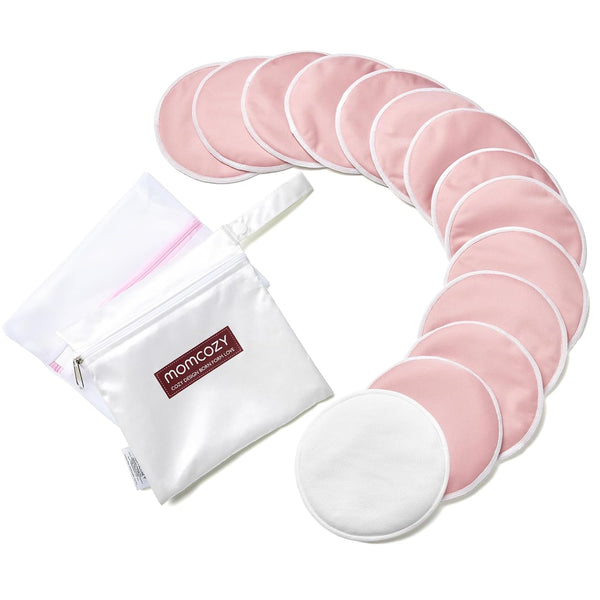
You may feel nothing at all. Or you may notice tingling, a sudden fullness, thirst, and baby switching from flutter sucks to swallows. Milk can leak from the other side, because both breasts usually let down together. If you leak on the unused side, reusable breast pads are ordinary kit, not a treatment.

A painful letdown sensation is a step up from that tingle: a squeeze, a sting, or pins-and-needles that peaks as milk starts. The Breastfeeding Network describes it as a sharp, intense pain at the start of a feed, often worse on a fuller breast.
That is not the same as latch pain. Latch pain often lasts the whole feed and can leave the nipple lipstick-shaped or ridged afterwards. Letdown pain usually eases once milk is flowing.
It can also fire when you are not feeding: between feeds, on the school run, or when the opposite breast sprays. Same reflex, no baby attached. The unused side can feel full again sooner than you think, which is why mums ask how long after pumping breasts refill.
How long does painful letdown last?
The squeeze itself is usually brief: often 10 to 20 seconds, sometimes up to a couple of minutes, then milk flows and the sharpness fades.
The weeks-long version is different. Many mums find the first letdowns of the day sting more while supply is still finding baby’s pattern. That often eases over the first one to three months. There is no honest stop date we can print on a calendar.
At 3 or 4 weeks, a short sting at the start of a feed can still be “settling”, especially if baby is transferring well and you feel fine. At 6 weeks, around the time of the GP or health visitor check, it should usually be milder, not worse. If it is louder than the early days, or it starts all of a sudden after a comfortable stretch, treat that as a new problem: latch, a missed night feed, a long gap before an express, oversupply, or inflammation.
Does painful letdown go away? Often the intensity drops as flow and supply match. When does it stop? When the first moments of a feed feel like pressure, not a shock. If it never fades after milk is moving, stop calling it “just letdown” and get a feed watched.

Why is my letdown painful?
Most painful letdown is the ducts squeezing on a fast or full breast. You still need to rule out a shallow latch, a blocked duct, and infection.
A forceful letdown or oversupply is the common story. Baby coughs, gulps, or clamps. Milk sprays when they come off. La Leche League GB explains that a fast flow can sit with too much milk, or on its own.
A fuller or engorged breast makes the first squeeze harder. Skipped night feeds or a delayed express after drop-off leave more volume sitting there. Some mums use cabbage leaves for engorgement after a feed for comfort, not as a letdown fix. A realistic pumping schedule keeps the gaps honest; extra sessions “to empty” are not the goal.
Shallow attachment can crack the nipple. Then every letdown stings on already sore skin. Burning at latch and at letdown often belong together until someone watches a full feed.
A blocked milk duct (the same problem people call clogged or plugged) can make letdown hurt more on one side. You may feel a tender lump and slower flow, and still feel well. Mastitis is inflammation of the breast. It can make the area hot and sore and you may feel flu-like. Follow NHS guidance on mastitis rather than a product tip if that is the picture.
Nipple vasospasm and Raynaud’s can add a burn after the feed, especially in a cold kitchen or an unheated bedroom. The tip of the nipple may go white after feeding or pumping, then darker as blood returns. That colour change is a different timeline from a 20-second letdown squeeze.
A pump on too high a suction, or a flange that rubs, can make the first minutes of a session sting. So can a tight bra, a carrier strap, or a seatbelt across the breast. If you express in-bra, a well-fitting 4-in-1 hands-free pumping bra should sit on the ribs and not leave red grooves.
Sudden pain in one breast, or after a second baby, is still the same short list: fuller side, faster flow, latch, or a lump. It is not automatically “your body failing”.



How to relieve painful letdown
Most mums ease painful letdown by improving attachment, taking the edge off a fierce first spray, and keeping the breast from getting over-full. Pushing through pain is not the plan.
- Get positioning and attachment checked if the pain lasts past the first moments, or the nipple changes shape. Ask your midwife, health visitor or an NCT supporter to watch a feed.
- If flow is fierce, try laid-back feeding so baby is not fighting a spray, or sit more upright if that feels calmer. When the first squirt hits, you can break suction, catch it, then re-latch.
- If you make more milk than baby needs, offer one breast as the “meal” and the second only if they still want it. Skip extra expressing “just in case”.
- On a well breast, drop your shoulders, breathe out slowly, and use a brief warm flannel or shower before a feed. Do not park long heat on a hot, red, or angry breast.
- If you can usually take them, paracetamol or ibuprofen may take the edge off. Check the pack or a pharmacist. Do not take aspirin while breastfeeding unless a clinician has said so.
- While pumping, start on a lower suction, check flange fit, and hand-express a little first if the opening flow is fierce. Warmth is only for ordinary sessions when the breast is otherwise well.
A towel is enough to catch the first spray. If you want kit on the unused side, a silicone breast milk collector can sit there for that opening squirt, then come off. Do not leave it on between feeds to harvest extra milk; that can keep supply high.
If you exclusively express, the same rules apply: fit, suction, and a realistic sense of how much milk to pump, not a forced empty.
Wrong flange size rubs the nipple and makes the first minutes sting. Measure before you blame the motor. A nipple ruler is a simple fit check. If the pump still hurts after fit is right, the usual pumping problems are suction or seal, not a need for higher vacuum.
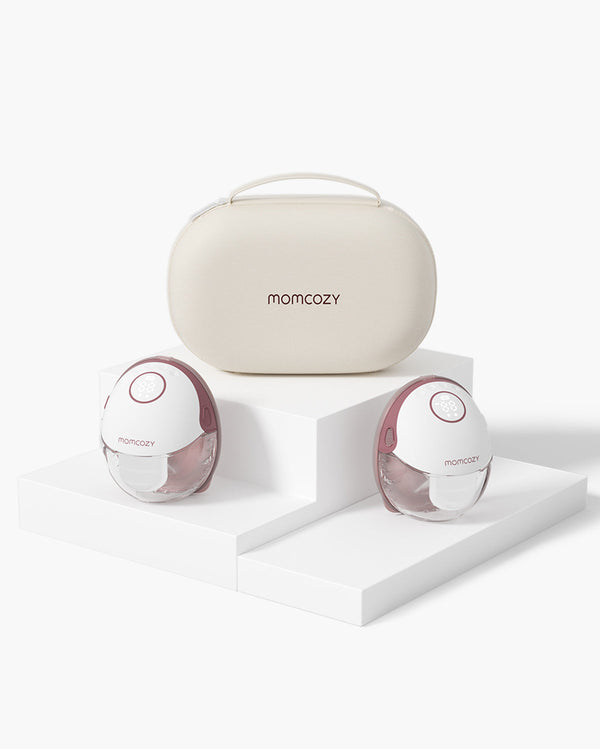
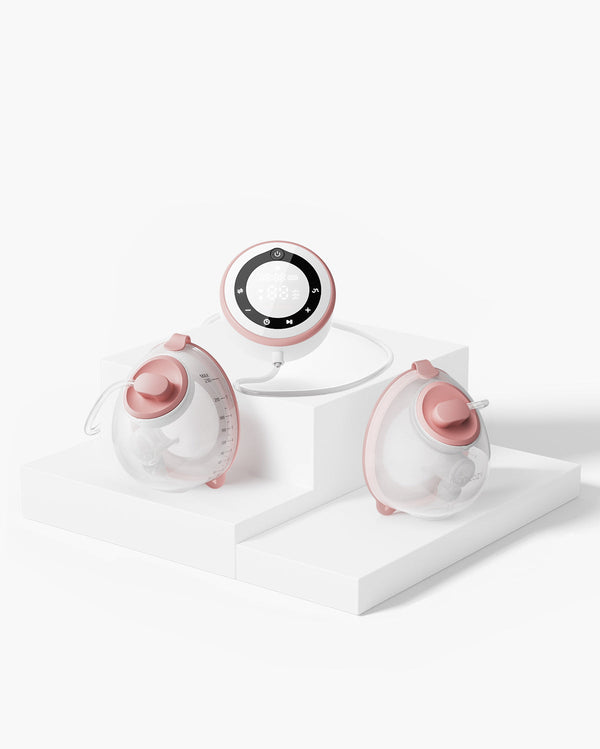
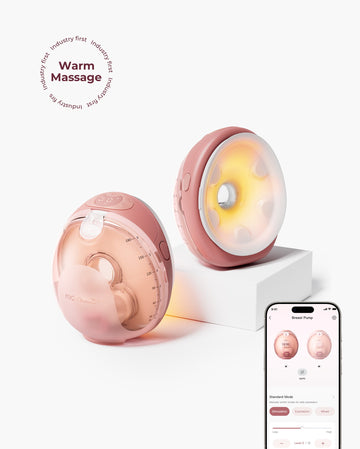
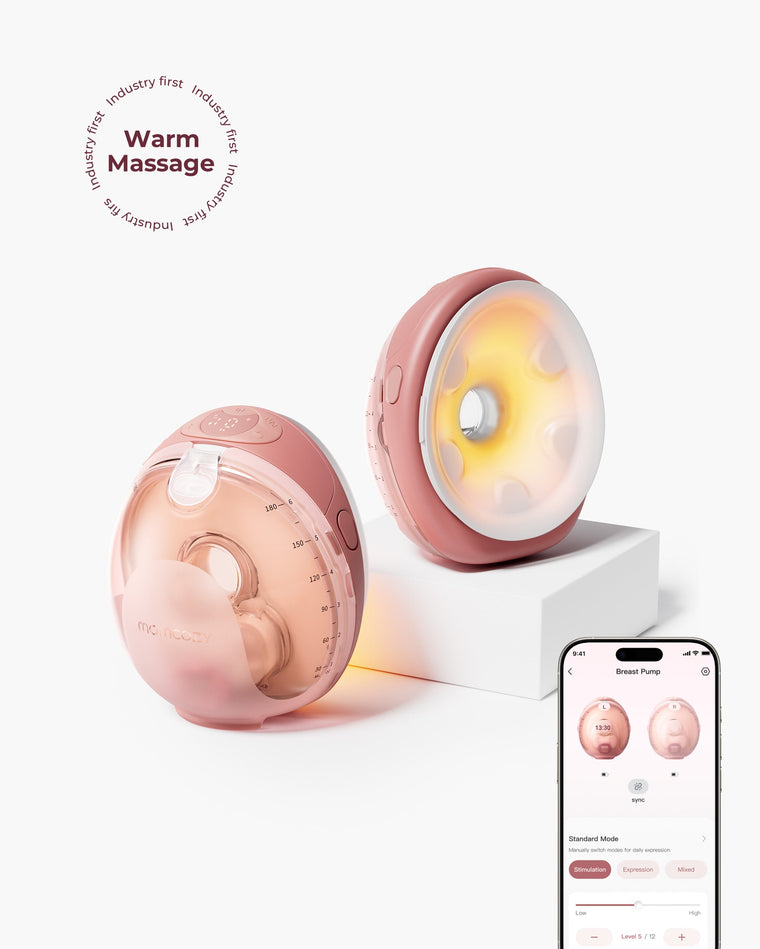
On a usual express, when the breast is not hot or lumpy, Momcozy Wellness 1 can stand in for the warm flannel so you are not running to the sink. Wraparound warmth is 37°C, 39°C or 41°C. Gentler micro-pulse suction can feel kinder than cranking vacuum. This is everyday kit, not treatment. Switch warmth and massage off if the breast is tender, red, or you feel flu-like. Warmth is not recommended for engorgement, a blocked duct or mastitis. Check the product page for current availability.
Do not dig, use a vibrating gadget on a lump, or keep expressing to “clear” a sore spot. Extra removal can add swelling.
Painful letdown or something else?
If the pain does not fade once milk is flowing, treat it as a different problem until a practitioner says otherwise.
| What you notice | More like | First step |
|---|---|---|
| Sharp squeeze at the start, then eases | Painful letdown | Attachment, flow, fullness |
| Pain for the whole feed; nipple ridged afterwards | Latch / attachment | Have a full feed watched |
| Burn after the feed; nipple goes white in the cold | Vasospasm / Raynaud’s | Warmth after feeds; latch check |
| Hot lump, spreading redness, flu-like | Possible mastitis | GP or NHS 111 if no better in 12 to 24 hours |
| A wave of dread or anger as milk starts, breast not sore | D-MER | Support from La Leche League GB; this is not tissue pain |
Burning in both nipples that continues between feeds used to get labelled “ductal thrush” very quickly. The Breastfeeding Network has pulled that older advice. Breast thrush is diagnosed much less often now. Get a face-to-face feed assessment before anyone starts antifungal treatment on you.
Sharp pain in both breasts at once is common for letdown. A single hot lump is not “just letdown”.
D-MER is a short wave of bleak feeling as milk ejects, not a sore breast. Do not self-diagnose from a paragraph.
When to get help in the UK
Call the right person for the picture you have, not a generic “see someone sometime”.
Same day: fever, shivers, spreading redness, or feeling very unwell. Contact your GP or NHS 111. NHS advice is to keep feeding if you can, and to get checked if you are no better within 12 to 24 hours or you feel worse. NHS common breastfeeding problems sets out sore nipples, engorgement and mastitis in plain language.
This week: pain past the first moments of every feed, damaged nipples, or baby not transferring milk. Ask your midwife, health visitor, NCT, or a local infant-feeding team. The National Breastfeeding Helpline is 0300 100 0212.
Do not wait if you feel dizzy, confused, or you start vomiting with these breast symptoms. That needs urgent care, 999 if you cannot get through quickly.
Keep feeding or expressing to comfort unless a clinician tells you otherwise. Stopping suddenly can make swelling worse.

FAQ: Quick Answers to Common Questions
Can letdown be painful?
Yes. A short squeeze, sting or pins-and-needles as milk starts is common, especially in the early weeks and on a fuller breast. It should ease once the flow is going. Pain that lasts the whole feed is more likely a latch or nipple problem, and is worth a skilled check.
How long does painful letdown last?
Each episode often lasts 10 to 20 seconds, sometimes up to a couple of minutes. The overall pattern can take weeks to settle as supply matches baby. There is no fixed stop date. If it is worse at 6 weeks than at 2, ask for a feed to be watched.
Why is my letdown suddenly painful?
A sudden change often follows a longer gap, a growth-spurt cluster, extra expressing, or a new latch issue. Check the fuller side, flange fit if you pump, and whether a tender lump has appeared. Flu-like symptoms need a GP or NHS 111, not a wait-and-see.
Is painful letdown a sign of mastitis?
Not on its own. Mastitis is more than a start-of-feed squeeze. Look for a hot, sore area, spreading redness, and feeling unwell. Keep feeding if you can. If you are no better in 12 to 24 hours, or you feel worse, contact your GP or NHS 111.
Why does letdown hurt when I am not feeding or breastfeeding?
The reflex can fire when you hear a cry, think about baby, or sit in a warm shower. Both sides usually let down together, so the unused breast can sting and leak. Pads help the mess. If a random letdown is also a hard lump and you feel ill, that belongs with inflammation, not “just leaking”.
Does thrush cause painful letdown?
Shooting or burning pain used to be blamed on breast thrush very quickly. Current UK practice is more cautious. Get a feed assessed first. Your baby’s oral thrush is a separate diagnosis and does not automatically mean you need antifungal cream.
Why is painful letdown only in one breast?
One side can be fuller, faster, or have a shallower latch. A local lump points away from simple letdown. Have that side checked if the pain stays after milk is flowing, or the area looks inflamed.
How do I relieve painful letdown while pumping?
Lower the suction, check flange size, and hand-express a little if the first flow is fierce. Warmth is fine on a well breast for an ordinary session. Switch any heat or massage function off if the breast is tender, red, or you feel flu-like. Fit problems belong in a troubleshooting pass, not a higher vacuum.
Conclusion
A brief sting as milk starts can be part of the early weeks. Pain that stays, spreads, or makes you unwell is not something to wait out.
Attachment, a calmer first spray, and fewer over-full gaps do more than any gadget. If you already use Momcozy Wellness 1, keep warmth and massage for ordinary expressing days, and off when the breast is angry.
Speak to your midwife, health visitor or GP if you are worried. The Helpline is there when you cannot get a face-to-face slot this week.